8 Quick Steps to Clean a Garden Hoe After Use
The smell of damp earth signals a high concentration of geosmin; this organic compound is released when Actinobacteria are disturbed during weeding. Maintaining the integrity of your steel tools ensures that you do not introduce pathogens into the rhizosphere of your prize specimens. Following rigorous steps for cleaning a garden hoe after use prevents the mechanical spread of soil-borne fungi. A clean blade maintains the turgor pressure of your plants by ensuring clean, swift cuts that heal before senescence can set in from secondary infections.
Materials:
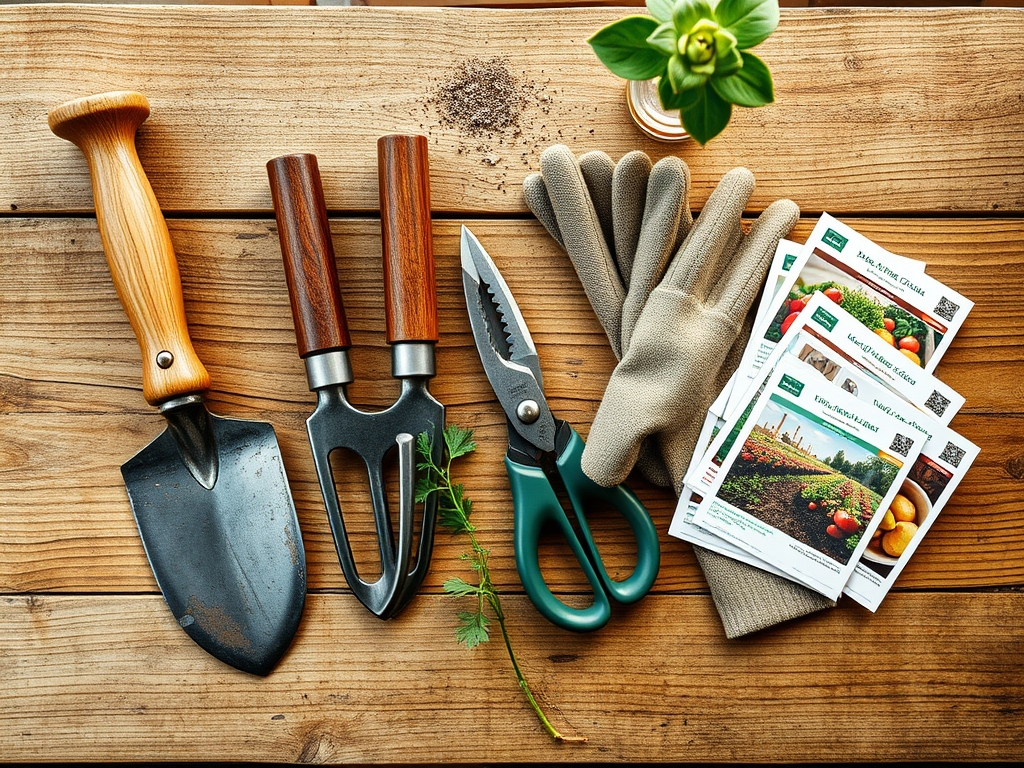
Effective maintenance begins with understanding the environment where the tool operates. A **friable loam** with a **pH of 6.5** is the ideal substrate for most horticultural endeavors; however, high clay content increases the adhesion of silicate particles to the metal. You will need a stiff-bristled brush, a bucket of coarse sand mixed with biodegradable oil, and 70 percent isopropyl alcohol. For the soil itself, maintain an **NPK ratio of 10-10-10** for general maintenance or **5-10-10** for root development. High **Cation Exchange Capacity (CEC)** soils often hold more moisture, which accelerates the oxidation of carbon steel tools if they are stored while damp.
Timing:
In Hardiness Zones 5 through 7, the window for active tool use aligns with the period between the last spring frost and the first autumn freeze. The biological clock of the garden dictates that weeding must occur during the vegetative stage to prevent competition for nitrogen. If you wait until the reproductive stage, when plants are diverted toward flowering and seed production, the root systems of weeds become more tenacious. Clean your tools immediately after use during these windows to prevent the buildup of sap and resin, which can harden and harbor dormant spores through the winter months.
Phases:

Sowing and Preparation
Before the first seed hits the soil, ensure the hoe blade is free of rust. Use a file to create a 45-degree bevel on the leading edge. This precision allows for the creation of straight furrows without displacing excessive soil, preserving the delicate balance of the mycorrhizal network below the surface.
Pro-Tip: Minimizing soil disturbance protects the mycorrhizal symbiosis between fungi and root systems, which increases the surface area for nutrient absorption by up to 1,000 percent.
Transplanting and Weeding
As you move young starts into the field, use the hoe to clear a 12-inch radius around the base. This eliminates competition for water. After every row, scrape the blade with a wooden spatula to remove caked mud. This prevents the transfer of Phytophthora or other water molds from one section of the garden to another.
Pro-Tip: Timely weeding reduces the competition for light, preventing the auxin suppression that occurs when shade-avoidance responses trigger leggy, weak growth in your primary crop.
Establishing and Maintenance
During the heat of the summer, the hoe is used to "scuffle" the surface, breaking the capillary action of the soil to preserve deep moisture. After this task, the tool must be disinfected. Wipe the blade with alcohol to kill any lingering bacteria.
Pro-Tip: Maintaining a sharp, clean edge ensures that weed roots are severed cleanly rather than pulled, which prevents the stimulation of dormant weed seeds through phototropism once they are exposed to light.
The Clinic:
Observe the tool and the plants for signs of failure.
- Symptom: Orange, powdery spots on the hoe blade or nearby foliage. Solution: This indicates Rust (Uredinales). Scrub the tool with a wire brush and treat the plant with a sulfur-based fungicide.
- Symptom: Yellowing of older leaves while veins remain green. Solution: This is Magnesium deficiency. Apply Epsom salts to the soil at a rate of 1 tablespoon per foot of plant height.
- Symptom: General Nitrogen chlorosis (pale green or yellow leaves across the whole plant). Fix-It: Incorporate a high-nitrogen fertilizer, such as blood meal, at a rate of 1 pound per 100 square feet to restore chlorophyll production.
- Symptom: Pitting on the metal surface of the hoe. Solution: This is oxidation caused by acidic soil (pH below 5.5). Neutralize the tool with a baking soda wash and apply a thin layer of mineral oil.
Maintenance:
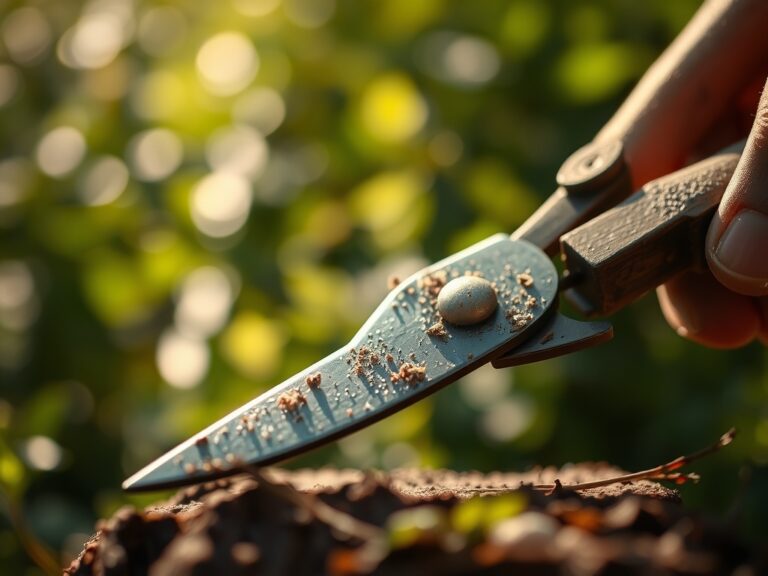
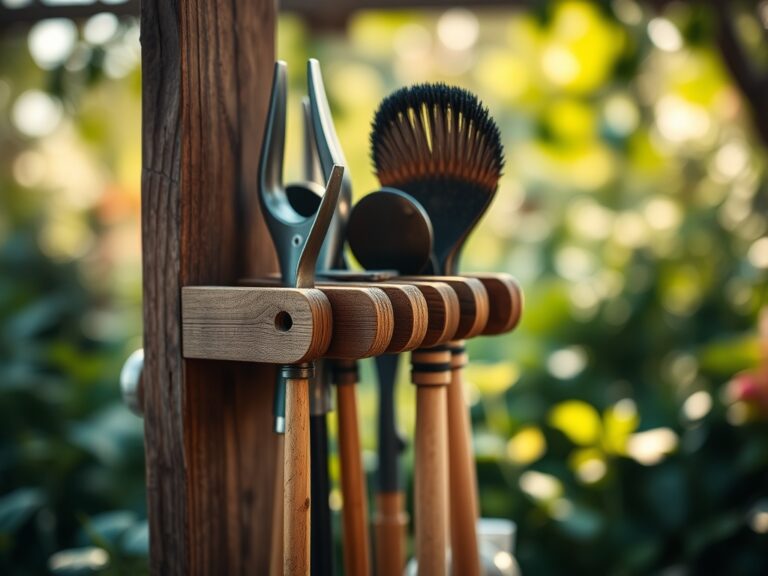
Precision is the hallmark of a master horticulturist. Your plants require exactly 1.5 inches of water per week delivered at the drip line to ensure deep root penetration. Use a soil moisture meter to verify that the water is reaching a depth of 6 inches. When not using your hoe, use a hori-hori knife for precision weeding in tight spaces and bypass pruners for woody stems. Store the hoe in a bucket of oiled sand; this scours the metal and provides a protective barrier against humidity. Check the handle for splinters and rub it with boiled linseed oil twice a year to maintain structural integrity.
The Yield:
Harvesting is the culmination of the photoperiod response. For leafy greens, harvest in the early morning when turgor pressure is at its peak. Use the hoe to clear the area post-harvest, removing all crop residue to prevent the overwintering of pests. For root crops, use the hoe to gently loosen the soil 4 inches away from the base of the plant to avoid mechanical bruising. To maintain "day-one" freshness, immediately move harvested produce to a cool environment (approximately 40 degrees Fahrenheit) to slow the rate of respiration and prevent wilting.
FAQ:
How do I remove stubborn rust from a garden hoe?
Use a wire brush or 80-grit sandpaper to remove surface oxidation. For deep pitting, soak the blade in white vinegar for 24 hours, scrub with steel wool, and neutralize the acid with a mixture of water and baking soda.
What is the best oil for tool maintenance?
Use a food-grade mineral oil or boiled linseed oil. These oils penetrate the wood of the handle to prevent rot and coat the metal blade to block oxygen, preventing the chemical reaction that leads to rust formation.
How often should I sharpen my garden hoe?
Sharpen the blade every 8 to 10 hours of active use. A sharp blade requires less force, which reduces soil compaction and ensures clean cuts through weed root systems, preventing the spread of disease through jagged tissue tears.
Can I use bleach to disinfect my garden tools?
Bleach is effective but corrosive to metal. It is better to use 70 percent isopropyl alcohol or a specialized quaternary ammonium disinfectant. These options kill pathogens like tobacco mosaic virus without causing the steel to pit or weaken over time.