5 Best Drought Tolerant Ground Covers
Turgor pressure defines the life of a plant; it is the internal hydrostatic force that keeps a cell wall rigid and a leaf upright. When the soil moisture tension exceeds the plant's ability to extract water, that turgor collapses. Choosing the best drought tolerant ground covers is not merely an aesthetic choice but a calculation of metabolic efficiency. Successful xeriscaping requires selecting species with specialized leaf morphology, such as thick cuticles or silver pubescence, to reduce transpiration rates. You are looking for plants that maintain high osmotic potential even when the rhizosphere is depleted of mobile water. The goal is a self-sustaining carpet that thrives on less than ten inches of supplemental irrigation per year. This guide focuses on species that utilize Crassulacean Acid Metabolism (CAM) or deep taproot systems to survive thermal stress. By understanding the Cation Exchange Capacity (CEC) of your soil and the specific mineral requirements of these species, you can convert a high-maintenance turf into a resilient, carbon-sequestering ecosystem.
Materials:
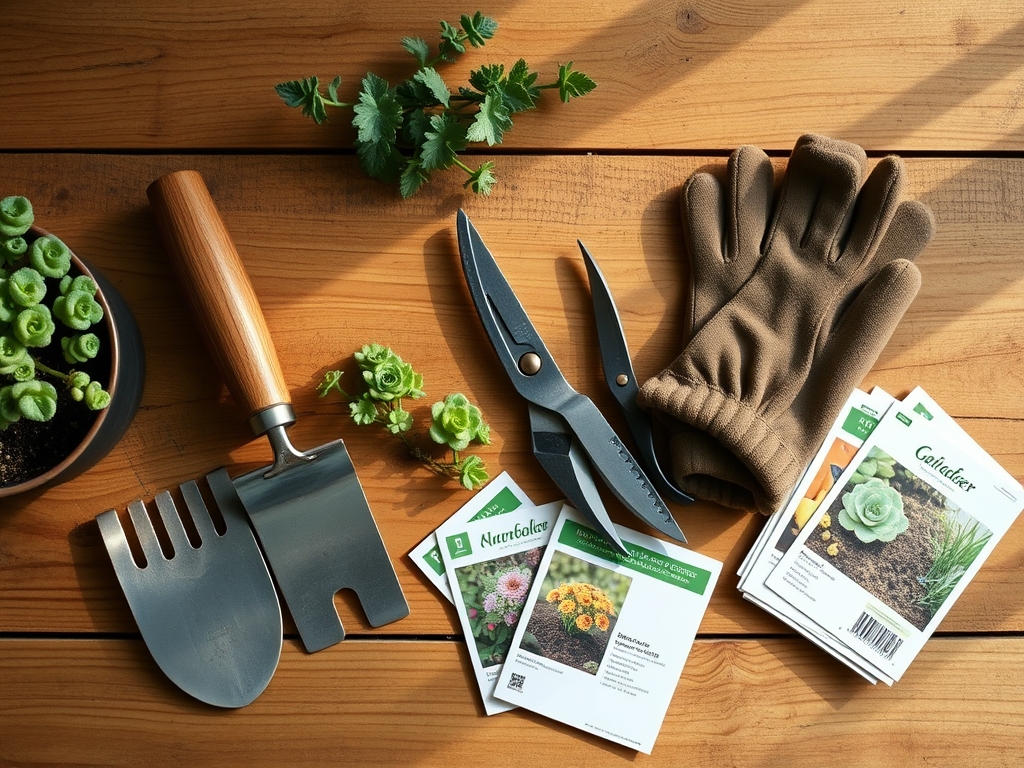
The success of drought-tolerant species depends on a well-drained substrate with a high macroporosity. For most arid-climate ground covers, a pH range of 6.0 to 7.5 is optimal. The physical texture should be a friable loam or sandy loam to prevent anaerobic conditions during rare heavy rain events.
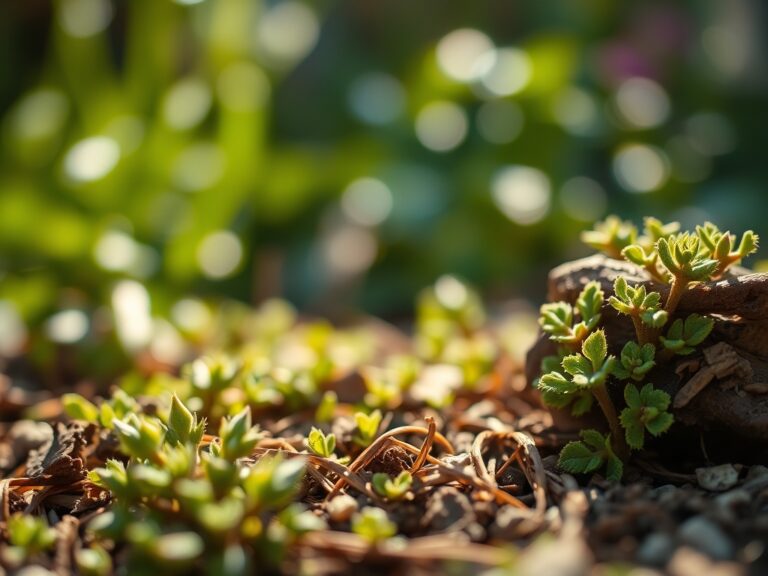
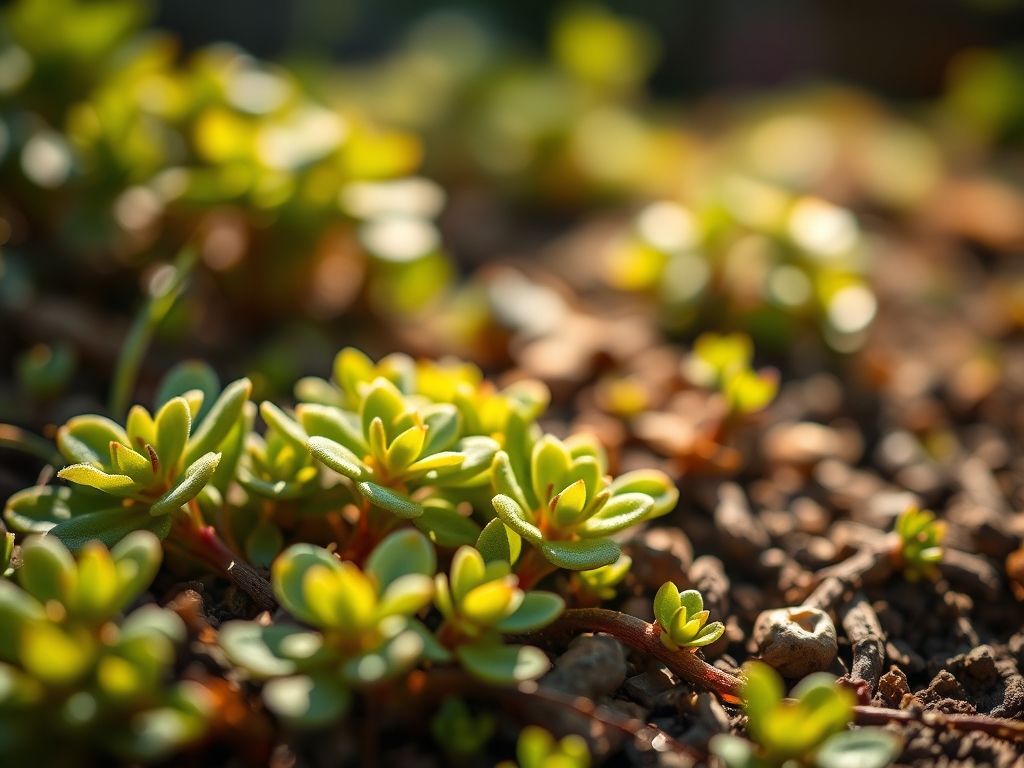
- Sedum (Stonecrop): Requires a substrate with low organic matter. Aim for an NPK ratio of 5-10-10 to prioritize root development over soft, succulent growth.
- Thymus praecox (Creeping Thyme): Thrives in alkaline conditions (pH 7.0 to 8.0). Use a 10-10-10 balanced fertilizer at half strength during the initial establishment.
- Delosperma (Ice Plant): Needs high mineral content. A CEC of 10 to 15 meq/100g is ideal. Avoid heavy clays that trap moisture around the crown.
- Phlox subulata (Creeping Phlox): Prefers slightly acidic to neutral soil. An NPK of 10-30-10 in early spring supports the high energy demands of its massive bloom cycle.
- Dymondia margaretae (Silver Carpet): Requires excellent drainage. Incorporate 30 percent volcanic pumice or perlite into the top six inches of soil to ensure oxygen reaches the root zone.
Timing:
Hardiness Zones define the survival parameters for these species. Sedum and Creeping Phlox are resilient in Zones 3 through 9, while Dymondia is restricted to Zones 9 through 11. The "Biological Clock" of these plants is triggered by the photoperiod and soil temperature.
The transition from vegetative growth to the reproductive stage (flowering) typically occurs when soil temperatures reach a consistent 55 degrees Fahrenheit. Planting should occur in the "shoulder seasons" of autumn or early spring. In autumn, transplant at least six weeks before the first hard frost to allow for root lignification. In spring, wait until the threat of frost has passed to avoid cellular rupture in new, hydrated tissue. During senescence in late autumn, the plant moves carbohydrates from the leaves to the root system; disturbing the plant during this translocation can weaken its winter hardiness.
Phases:

Sowing
Direct sowing is only recommended for specific varieties like Creeping Thyme. Prepare the bed by removing all competitive vegetation. Broadcast seeds at a rate of one ounce per 1,000 square feet. Do not bury the seeds; many drought-tolerant species are photoblastic and require light to break dormancy.
Pro-Tip: Maintain consistent surface moisture for the first 14 days. This prevents the delicate radical from desiccating before it can penetrate the soil surface to establish mycorrhizal symbiosis, which later aids in phosphorus uptake.
Transplanting
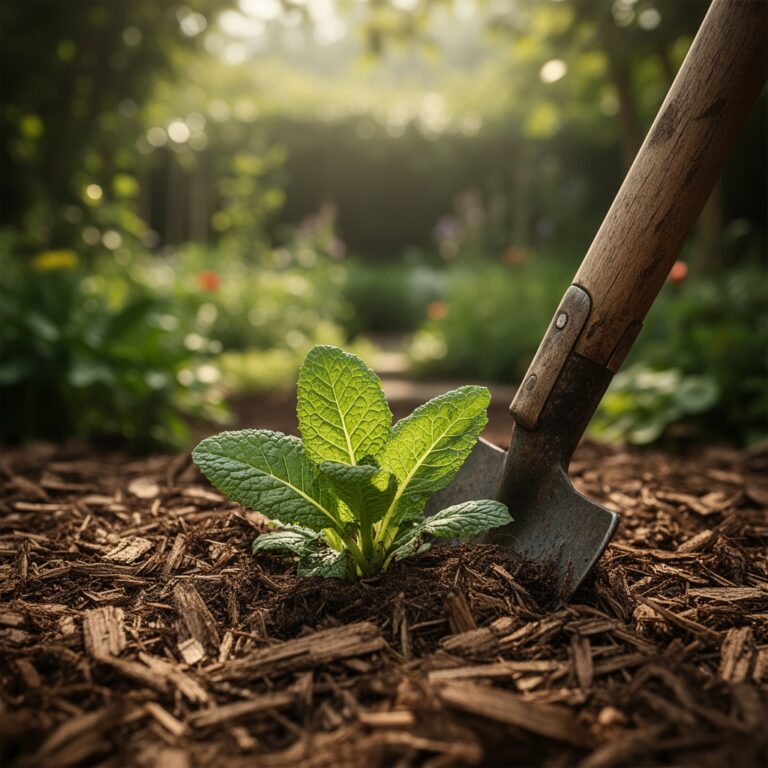
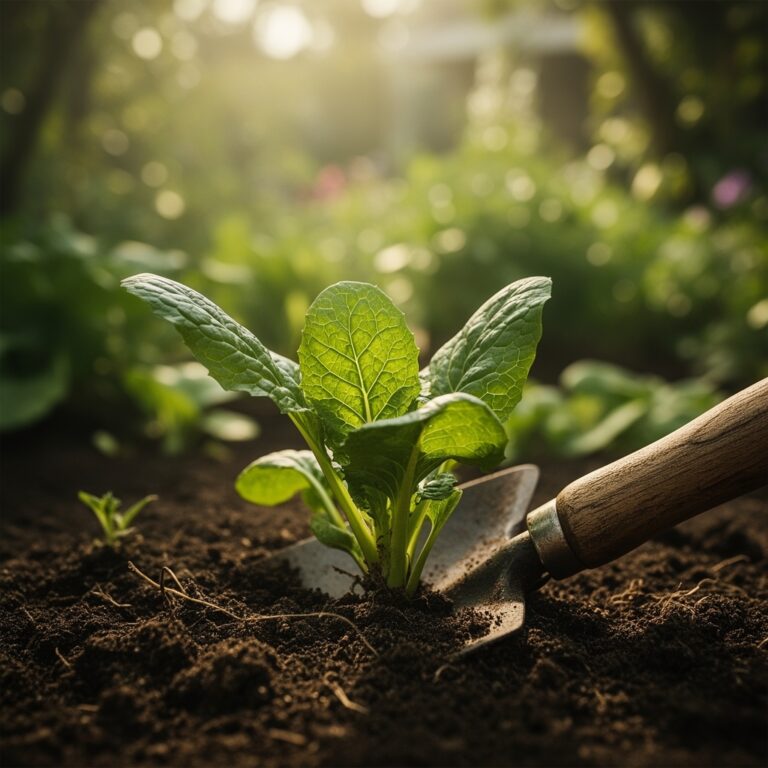
When using nursery liners, dig a hole twice the width of the root ball but no deeper. Use a hori-hori knife to scarify the edges of the planting hole, preventing "pot-bound" roots from circling. Space plants according to their mature spread, typically 8 to 12 inches on center.
Pro-Tip: Dip the root ball in a seaweed-based solution before planting. The cytokinins in the seaweed stimulate rapid cell division in the root apical meristem, reducing transplant shock and accelerating establishment.
Establishing
The establishment phase lasts one full growing season. During this time, the plant is not yet drought-tolerant. It requires one inch of water per week, delivered in two deep sessions rather than frequent shallow mists. This encourages the roots to grow downward into the cooler, moister subsoil.
Pro-Tip: Pinch back the first two inches of new terminal growth. This disrupts auxin suppression (apical dominance), forcing the plant to redirect energy into lateral buds, resulting in a denser, more effective ground cover.
The Clinic:
Physiological disorders in drought-tolerant plants often stem from over-management rather than neglect.
- Symptom: Yellowing of lower leaves while veins remain green (Interveinal Chlorosis).
- Solution: This indicates a Magnesium deficiency or high pH blocking iron uptake. Apply chelated iron or Epsom salts (1 tablespoon per gallon of water) to restore chlorophyll production.
- Symptom: Soft, blackened stems at the soil line (Crown Rot).
- Solution: Caused by Phytophthora fungi in oversaturated soil. Immediately reduce irrigation and improve drainage by top-dressing with 0.25 inches of fine gravel.
- Symptom: Elongated, weak stems with wide gaps between leaves (Etiolation).
- Solution: Insufficient light intensity. Thin overhanging tree canopies to ensure the plants receive at least six hours of direct solar radiation.
- Fix-It: For Nitrogen chlorosis (general paling of the entire plant), apply a slow-release organic fertilizer with a high nitrogen (N) count. Nitrogen is a mobile nutrient; once applied, the plant will relocate it to new growth within 7 to 10 days.
Maintenance:
Precision is the hallmark of a master horticulturist. Use a soil moisture meter to verify that the root zone is dry to a depth of three inches before reapplying water. Once established, most of these covers require only 0.5 inches of water every two weeks during peak summer heat.
Pruning should be performed with sharp bypass pruners to ensure clean vascular cuts that heal quickly. For Creeping Thyme and Phlox, shear the plants by half after the flowering cycle ends. This prevents the center of the clump from becoming woody and unproductive. Use a hori-hori knife to remove any invasive weeds that penetrate the mat; do this early before the weed develops a deep taproot that competes for limited moisture.
The Yield:
While primarily functional, species like Creeping Thyme offer a secondary yield of aromatic foliage. Harvest in the morning after the dew has evaporated but before the sun reaches its zenith. This is when the concentration of essential oils is at its peak.
Cut the top three inches of green growth, leaving the woody base intact. To maintain "day-one" freshness, place the stems in a sealed container at 40 degrees Fahrenheit or dry them immediately in a dark, well-ventilated area. For flowering covers like Delosperma, removing spent blooms (deadheading) prevents the plant from diverting energy into seed production, thereby extending the vegetative vigor of the carpet.
FAQ:
How often should I water established drought tolerant ground covers?
Established plants typically require deep watering once every 10 to 14 days during the heat of summer. Always check the soil moisture at a depth of three inches; if the soil is damp, withhold water to prevent root rot.
Can these ground covers handle heavy foot traffic?
Creeping Thyme and Dymondia are the most resilient to foot traffic. They can withstand occasional stepping, but for high-traffic paths, integrate flagstones or pavers to protect the plant crowns from mechanical compression and soil compaction.
What is the best way to prevent weeds in new ground cover?
Apply a two-inch layer of wood chips or gravel between new transplants. This mulch suppresses weed germination by blocking light and serves as a moisture buffer, reducing the evaporation rate from the rhizosphere during the critical establishment phase.
Why is my Sedum turning red or purple?
Red coloration in succulents is often a protective response to high light intensity or cold temperatures. The plant produces anthocyanins to shield its tissues from UV damage or metabolic stress. This is generally a sign of a healthy, "hardened" plant.