6 Peaceful Ways How to Design a Zen Garden
Damp earth emits a sharp, petrichor scent as moisture interacts with geosmin producing bacteria in the topsoil. This olfactory signal indicates a healthy rhizosphere ready for cultivation. Achieving the structural precision required for a karesansui landscape demands an understanding of both mineral stability and plant physiology. Learning how to design a zen garden requires more than aesthetic placement; it necessitates the mastery of drainage physics, soil chemistry, and the biological requirements of slow growing conifers.
A successful installation relies on the turgor pressure of evergreen needles and the structural integrity of weathered stone. Every element must serve a functional purpose within the microclimate. You are not merely placing rocks; you are managing a closed system where light infiltration and moisture retention dictate the longevity of the installation. This guide provides the technical framework to execute a professional grade Japanese rock garden using horticultural science and rigorous site preparation.
Materials:
The foundation of a zen garden is the substrate. For the planting zones, you require a friable loam with a Soil Cation Exchange Capacity (CEC) between 15 and 25 meq/100g. This ensures the soil can hold and release essential cations like calcium and magnesium. The ideal soil pH for common zen plants such as Acer palmatum or Pinus thunbergii is 5.5 to 6.5.
For the dry landscape (sand or gravel) sections, use decomposed granite or crushed fine gravel (2mm to 4mm size). Avoid beach sand, as the rounded grains do not hold the ridges of a rake. Use a base of non-woven geotextile fabric (4oz weight) to prevent weed emergence while allowing vertical drainage.
Nutrient management requires specific NPK ratios. During the establishment phase, use a 10-10-10 balanced fertilizer to support root development. Once established, shift to a low nitrogen formula like 4-8-5 to prevent leggy growth and maintain the compact, "cloud-pruned" architecture. High nitrogen levels can lead to weak cellular walls and increased susceptibility to fungal pathogens.
Timing:
Timing is dictated by the USDA Hardiness Zones, typically zones 5 through 9 for traditional zen flora. Hardscape installation should occur during the dormant season or early spring when the ground is workable but before the Biological Clock triggers the transition from vegetative to reproductive stages.
Monitor the photoperiod; most Japanese maples require a chilling period of 44 to 1,000 hours below 45 degrees Fahrenheit to break bud dormancy. Do not transplant once the tree has reached "bud swell," as the metabolic demand for water will exceed what the damaged root system can provide, leading to desiccation.
Phases:

Sowing and Site Preparation
Clear the site of all perennial weeds. Excavate the area to a depth of 4 to 6 inches. Grade the subsoil at a 2 percent slope away from permanent structures to prevent hydrostatic pressure buildup. Compact the subsoil using a plate compactor to ensure the heavy stones do not shift over time.
Pro-Tip: Mycorrhizal fungi inoculation during site prep is vital. These fungi form a mycorrhizal symbiosis with roots, effectively increasing the surface area for water absorption by up to 1,000 times.
Transplanting
When placing specimen trees, dig a hole twice as wide as the root ball but no deeper. Ensure the root flare is visible at the soil surface. Planting too deep causes bark rot and oxygen deprivation in the rhizosphere. Backfill with native soil amended with no more than 20 percent organic matter.
Pro-Tip: Orient the plant so its "best face" receives the most sunlight. This utilizes phototropism, the plant's natural tendency to grow toward light, ensuring the canopy fills out evenly according to your design.
Establishing
The first 18 months are the establishment phase. During this time, the plant re-establishes its root to shoot ratio. Mulch with 2 inches of pine bark to regulate soil temperature and prevent moisture evaporation. Avoid mulch contact with the trunk to prevent fungal infection.
Pro-Tip: Use selective pruning to manage auxin suppression. By removing the terminal bud (apical dominance), you encourage lateral branching, which creates the dense, manicured look essential to the zen aesthetic.
The Clinic:
Physiological disorders often mimic disease but are usually environmental.
Symptom: Leaf Scorch (brown, crispy edges on maples).
Solution: This is often due to high evapotranspiration rates exceeding the roots' ability to pull water. Increase irrigation frequency and provide 30 percent shade cloth during peak summer.
Symptom: Iron Chlorosis (yellow leaves with green veins).
Solution: This occurs when soil pH exceeds 7.0, making iron insoluble. Apply chelated iron and lower pH using elemental sulfur.
Symptom: Needle Cast in Pines.
Solution: Ensure adequate airflow. Crowded plants create high humidity microclimates that favor fungal spores. Thin the interior branches.
Fix-It for Nitrogen Chlorosis: If older leaves turn uniform pale green, apply a quick-release 10-0-0 liquid fertilizer to restore chlorophyll production immediately.
Maintenance:
Precision maintenance defines the zen garden. Provide exactly 1.5 inches of water per week delivered at the drip line. Use a soil moisture meter to verify that the root zone is damp at a 6-inch depth before re-watering.
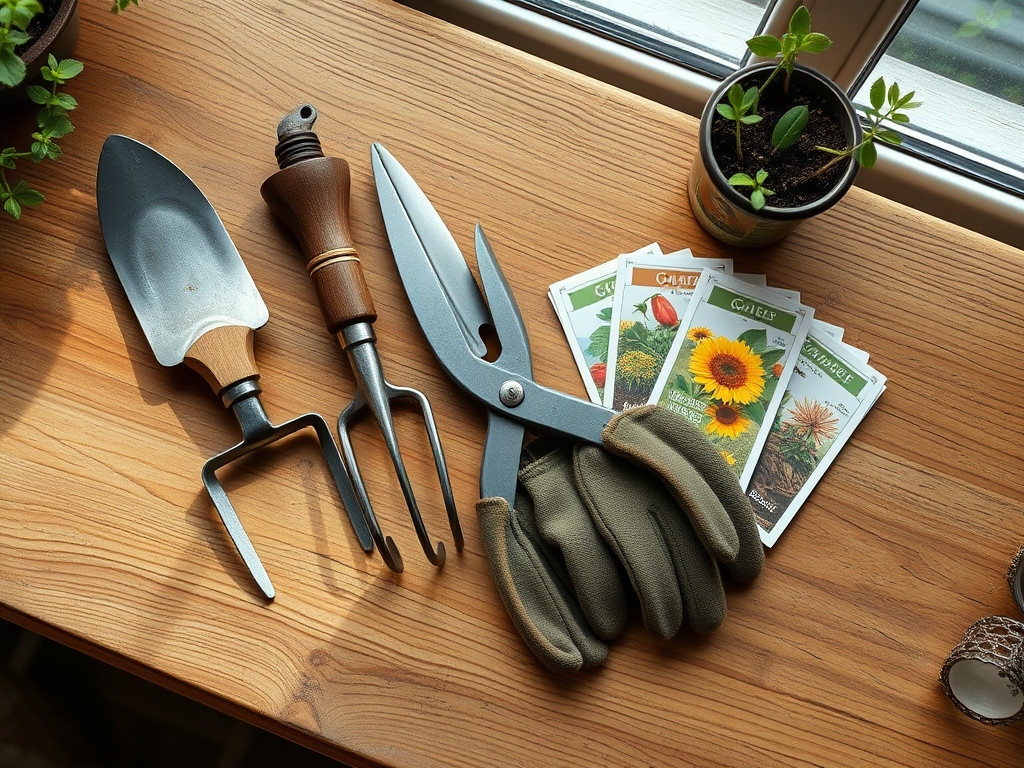
Pruning requires a hori-hori knife for root work and high quality bypass pruners for clean vascular cuts. Dull blades crush the xylem and phloem, creating an entry point for pathogens. Rake the gravel weekly to remove organic debris; if left to decay, this debris creates a nutrient-rich medium for weed seeds to germinate within the stone layer.
The Yield:
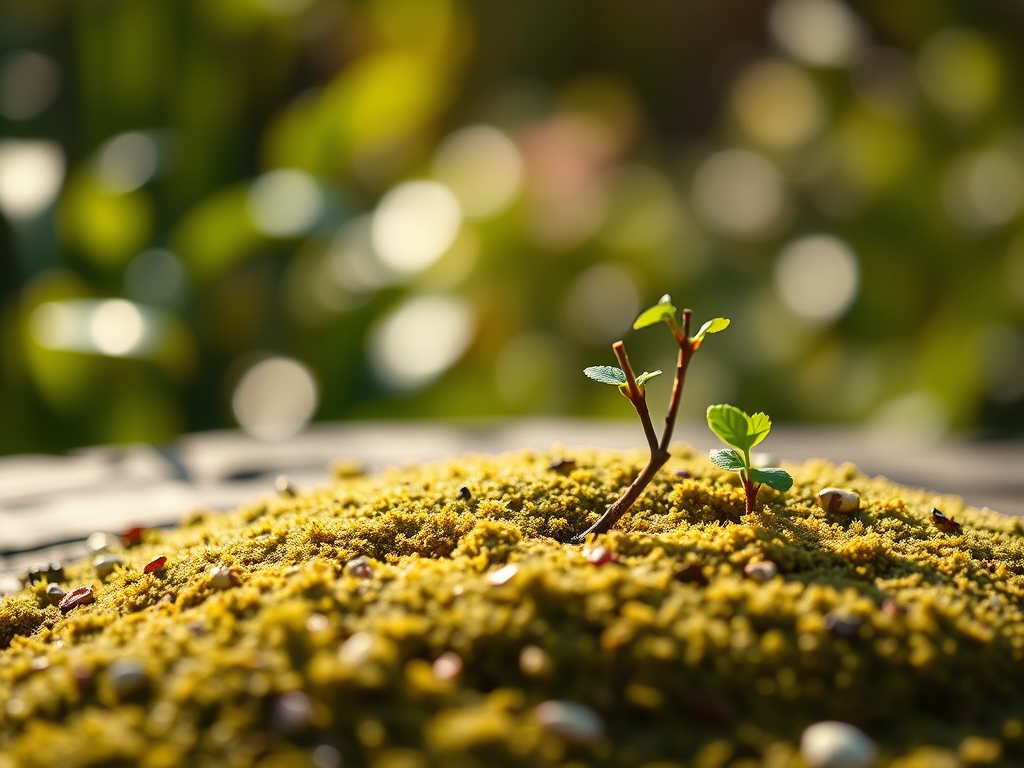
While a zen garden is primarily for contemplation, many include mosses or groundcovers like Sagina subulata (Irish Moss). To harvest moss for expansion, use a flat spade to lift 1-inch thick sods. Keep the harvested moss in a shaded, humid tray. To ensure "day-one" freshness, mist the moss every 4 hours until it is pressed into its new location. Firm contact with the soil is necessary to re-establish the capillary connection for water uptake.
FAQ:
How do I prevent weeds in the gravel?
Install a 4oz non-woven geotextile fabric beneath the gravel. Maintain a gravel depth of at least 3 inches. Regularly remove organic debris like leaves, which can decompose and provide a substrate for wind-blown seeds to germinate.
What is the best gravel for raking?
Use crushed decomposed granite or small angular gravel sized 2mm to 4mm. Angular stones interlock, allowing the rake to create sharp, defined ridges that hold their shape against wind and light rain compared to smooth, round pea gravel.
How much water do zen plants need?
Most traditional zen plants require 1 to 1.5 inches of water per week. Use a soil moisture meter to ensure the water reaches the root zone at a 6-inch depth. Adjust based on local evapotranspiration rates and soil drainage.
Can I build a zen garden in the shade?
Yes. Adjust your plant palette to shade-tolerant species like Japanese Forest Grass (Hakonechloa) or various mosses. Ensure the area has adequate drainage, as shaded soils evaporate moisture more slowly, increasing the risk of root rot in poorly drained sites.