9 Spray-Based Steps for Treating Scale Insects with Neem Oil
The smell of damp earth and the firm turgor of a healthy leaf define a successful greenhouse environment. When you run your thumb along a stem and feel the raised, waxy bumps of armored or soft scale, the plant's vascular system is already under siege. These sessile insects pierce the phloem to drain carbohydrates; this reduces the plant's ability to transport water and minerals. Mastering the steps for treating scale with neem oil requires an understanding of the insect's life cycle and the chemical properties of azadirachtin. By disrupting the hormonal balance of the pest, you stop the reproductive cycle before it collapses the plant's internal pressure. Effective treatment is not a single event but a systematic intervention that respects the plant's physiological limits while maximizing the insecticidal efficacy of the oil.
Materials:
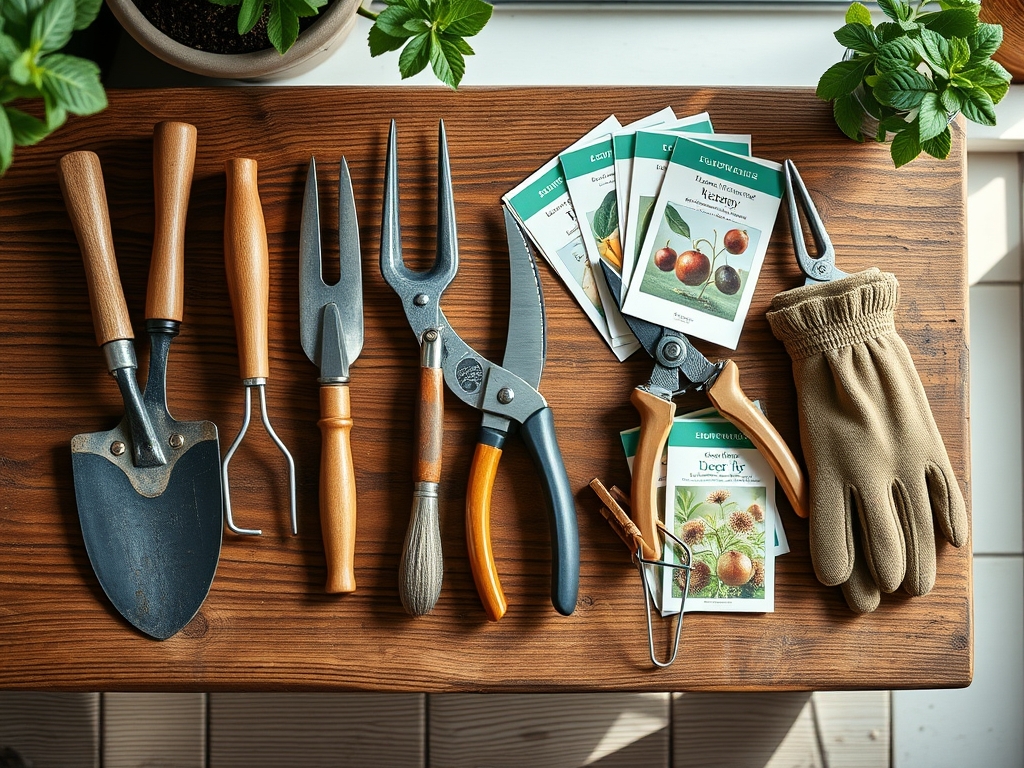
To support a plant recovering from scale, the substrate must be a **friable loam** with a **pH between 6.0 and 6.5**. This range ensures optimal nutrient availability. Use a high-quality cold-pressed neem oil containing at least **0.3 percent azadirachtin**. You will also need an emulsifier, such as castile soap, to allow the oil to mix with water.
For the recovery phase, prepare a fertilizer with an NPK ratio of 5-10-5. This lower nitrogen content prevents an explosion of soft, succulent growth that attracts more pests, while the higher phosphorus supports root repair and cellular strength. The soil should have a Cation Exchange Capacity (CEC) of 15 to 25 meq/100g to retain essential cations like calcium and magnesium. A soil moisture meter is necessary to ensure the plant remains hydrated without inducing root rot during the treatment period.
Timing:
Scale treatment must align with the plant's biological clock and the local climate. In Hardiness Zones 4 through 9, the primary window for treatment begins after the last spring frost and before the heat of mid-summer. Avoid spraying when temperatures exceed 85 degrees Fahrenheit to prevent phytotoxicity, which occurs when the oil causes the leaf tissue to overheat and burn.
The most vulnerable stage for scale is the "crawler" phase, which typically coincides with the transition from vegetative growth to the early reproductive stage of many perennials. During this time, the nymphs move across the plant surface before secreting their protective waxy shields. Monitoring the photoperiod is essential; as days lengthen, the metabolic rate of both the plant and the pest increases. Conduct treatments in the late evening or early morning when the stomata are less active and the sun's UV rays will not degrade the neem oil rapidly.
Phases:

Sowing and Preparation
Before the first spray, hydrate the plant thoroughly. A plant under water stress will have closed stomata and reduced turgor, making it more susceptible to oil damage. Mix two tablespoons of neem oil and one teaspoon of liquid soap per gallon of lukewarm water. Use a hori-hori knife to gently scrape away heavy clusters of adult scale from the main stems.
Pro-Tip: Proper hydration increases turgor pressure, which helps the plant push back against the piercing mouthparts of any remaining insects. This physiological resistance is the plant's first line of defense.
Transplanting and Isolation
If the infestation is localized on a potted specimen, move it to an isolation area. This prevents the crawlers from using phototropism to migrate toward light sources and onto neighboring healthy plants. Ensure the new location has consistent airflow to prevent the development of sooty mold, a common byproduct of the honeydew secreted by scale.
Pro-Tip: Isolation prevents the spread of nymphs. Scale insects often use anemochory, or wind-dispersal, to move between hosts; physical distance breaks this transmission cycle.
Establishing the Treatment
Apply the neem solution using a pressurized sprayer. You must achieve total coverage, including the undersides of leaves and the junctions where the petiole meets the stem. Repeat this process every seven to ten days for at least three cycles to account for overlapping generations of insects.
Pro-Tip: Neem oil acts as an IGR (Insect Growth Regulator). It mimics the insect's natural hormones, which triggers ecdysis failure, preventing the nymphs from molting into their next life stage.
The Clinic:
Monitoring the plant's reaction to treatment is as important as the treatment itself.
- Symptom: Yellowing of lower leaves (Chlorosis).
Solution: This often indicates a Nitrogen deficiency caused by the scale's heavy feeding. Apply a diluted 5-5-5 liquid fertilizer to provide immediate bioavailable nutrients. - Symptom: Necrotic spots on leaf edges after spraying.
Solution: This is phytotoxicity. Reduce the concentration of the oil or ensure you are not spraying during peak sunlight hours. - Symptom: Sticky residue on leaves.
Solution: This is honeydew. Wipe the leaves with a damp cloth to prevent sooty mold from blocking photosynthesis and causing senescence. - Fix-It: For Magnesium deficiency (interveinal chlorosis), add one tablespoon of Epsom salts per gallon of water to the soil to boost chlorophyll production.
Maintenance:
A recovered plant requires strict maintenance to rebuild its defenses. Provide exactly 1.5 inches of water per week delivered at the drip line. Use bypass pruners to remove any branches that show more than 50 percent dieback; this allows the plant to redirect energy to healthy tissue.
Check the soil regularly with a soil moisture meter to maintain a consistent moisture level of 40 to 60 percent. Avoid over-fertilizing with high-nitrogen salts, as this can increase the salinity of the rhizosphere and stress the roots. Use a hori-hori knife to weed the base of the plant, ensuring there is no competition for nutrients or water.
The Yield:
When treating fruiting or flowering plants, timing the harvest is critical. Do not apply neem oil within five to seven days of harvest. This allows the oil to dissipate, ensuring the flavor and scent of the yield are not affected. For flowers, harvest in the early morning when moisture content is highest. Use sharp snips to make a clean 45-degree cut, which maximizes the surface area for water uptake. To maintain "day-one" freshness, immediately submerge the stems in 65-degree water and store them in a cool, dark location to slow the rate of respiration.
FAQ:
How often should I apply neem oil for scale?
Apply the solution every 7 to 10 days. This schedule targets the "crawler" stage of the scale life cycle. Continue for at least three applications to ensure all emerging nymphs are exposed to the azadirachtin.
Can neem oil kill beneficial insects?
Neem oil is primarily effective against insects that ingest plant tissue. While it has low toxicity to bees, you should spray in the late evening when pollinators are inactive to minimize any direct contact or physical coating of the insects.
Why are the scale insects still on the plant after spraying?
Adult scale insects have a hard, waxy shell that remains attached to the plant even after the insect is dead. Use a soft brush or fingernail to see if they flake off easily; if they do, the treatment worked.
Will neem oil hurt my plant's leaves?
Some plants are sensitive to oils. Always perform a "patch test" on one leaf and wait 24 hours. Avoid spraying in direct sunlight or when temperatures exceed 85 degrees Fahrenheit to prevent tissue burn and phytotoxicity.