10 Best Water Features for Small Gardens
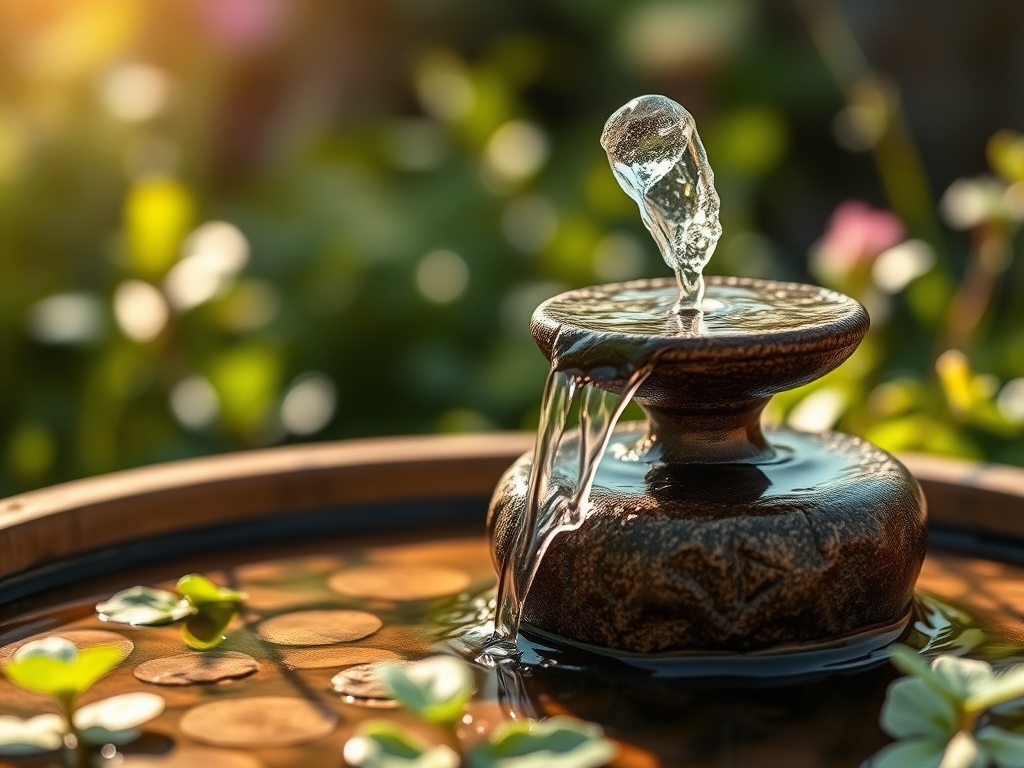
Crushing a handful of friable loam reveals the metallic scent of geosmin and the presence of active microbial life. When leaf turgor pressure is high, the plant stands rigid; however, in confined urban spaces, maintaining this cellular hydration requires more than just manual irrigation. Integrating the best water features for small gardens provides a consistent localized humidity zone that stabilizes the microclimate. A well-placed stone basin or a self-contained recirculating pump reduces the ambient temperature by several degrees through evaporative cooling. This prevents rapid transpiration in delicate understory species. Small gardens often suffer from high heat retention due to hardscaping. A water feature acts as a thermal sink. It absorbs heat during the peak solar window and releases it slowly at night. This process protects the rhizosphere from extreme temperature fluctuations. By selecting the right feature, you manage the moisture levels of the surrounding air and soil, ensuring that your botanical collection thrives in an optimized, high-humidity environment regardless of the external urban heat island effect.
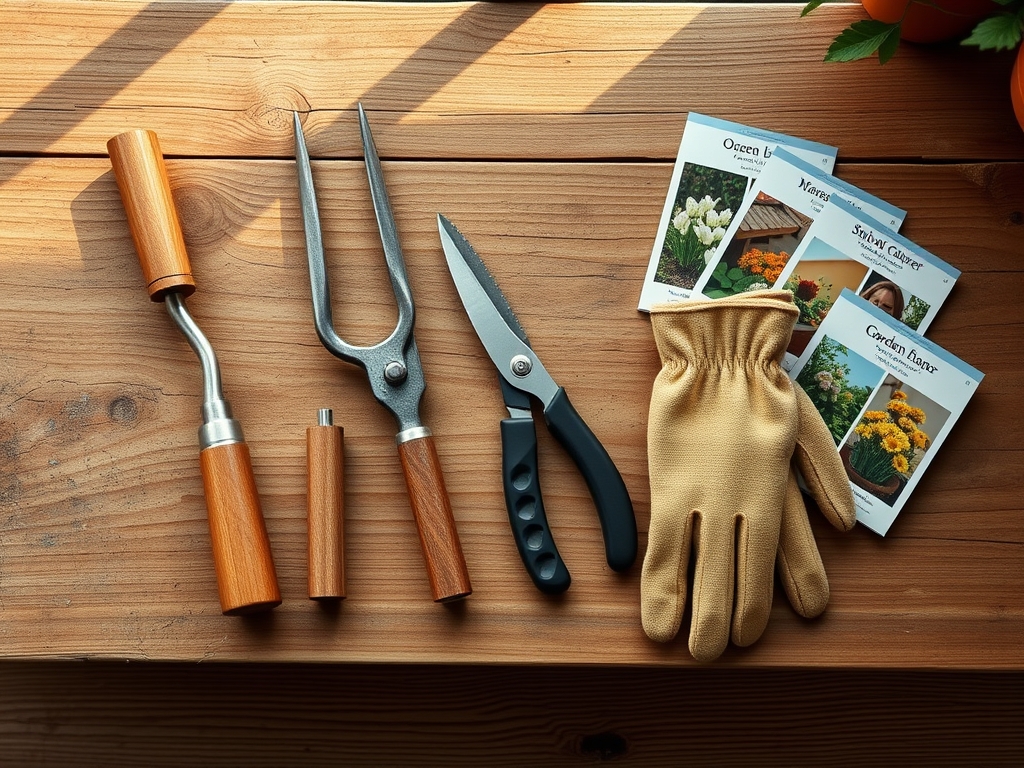
Materials:
The success of a water feature depends on the chemical stability of the surrounding substrate. For marginal plants housed within these features, maintain a soil pH between **5.5 and 6.5**. This range ensures maximum bioavailability of micronutrients. The ideal substrate is a **heavy clay-based loam** rather than a standard potting mix. Standard mixes contain perlite or vermiculite which float and disrupt the pump system.
When fertilizing aquatic or semi-aquatic plants in small features, utilize a low-phosphorus NPK ratio such as 10-4-8. High phosphorus levels in small, stagnant volumes of water trigger rapid algal blooms through eutrophication. The physical texture of the planting medium must be dense and low in organic matter to prevent anaerobic decomposition. This decomposition releases methane and hydrogen sulfide, which are toxic to the root systems of Nymphaea and Caltha palustris. If using a containerized fountain, ensure the basin is non-porous to prevent the leaching of calcium carbonate, which can spike the pH to 8.5 or higher, causing iron chlorosis in nearby acid-loving plants.
Timing:
Installation and planting must align with the local frost-free window. In Hardiness Zones 5 through 7, the ideal installation window opens when the 24-hour mean water temperature consistently stays above 55 degrees Fahrenheit. This temperature threshold is critical for the biological clock of aquatic perennials. As the photoperiod increases in spring, plants transition from dormancy to the vegetative stage.
Early spring installation allows the biological filter to establish a colony of nitrifying bacteria before the summer heat spikes. If you introduce plants too early, the lack of solar radiation and low temperatures will cause root rot due to metabolic inactivity. Conversely, late-season installations risk incomplete establishment before senescence. In Zones 8 through 10, water features can be installed year-round, but shading is required during the initial fourteen days to prevent UV scorch on new growth.
Phases:

Sowing and Selection
Select the best water features for small gardens based on the available square footage. For areas under 50 square feet, use a tiered copper spillway or a basalt column. These provide verticality without a large footprint. When selecting plants, focus on slow-growing species like Acorus gramineus.
Pro-Tip: Position plants according to their specific phototropic needs. Placing high-light plants on the north side of a feature in the northern hemisphere ensures they do not shade out smaller, low-light species, maximizing photosynthetic efficiency across the entire feature.
Transplanting
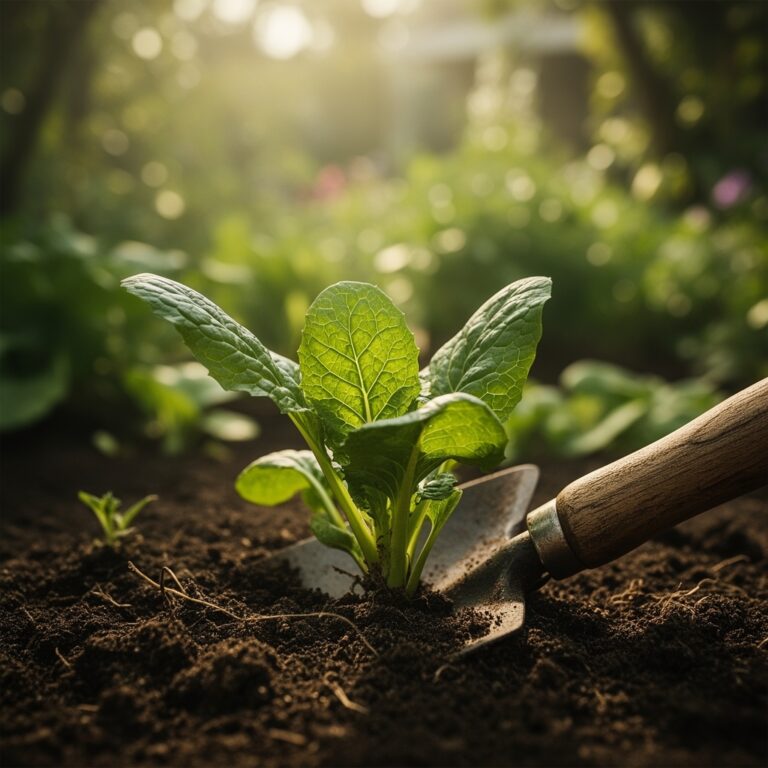
When moving marginal plants into the feature, keep the crown of the plant at the exact water line. Submerging the crown of a non-aquatic species leads to oxygen deprivation in the vascular tissue. Use a hori-hori knife to prune any circling roots before placement.
Pro-Tip: Inoculate the root zone with mycorrhizal fungi during transplanting. This symbiosis increases the surface area of the root system, allowing the plant to better sequester minerals from the water and surrounding substrate.
Establishing
During the first 21 days, monitor the water level daily. Evaporation can concentrate salts and minerals, leading to osmotic stress. Maintain a steady water volume to ensure the pump motor remains submerged, preventing mechanical failure and maintaining the dissolved oxygen levels necessary for root respiration.
Pro-Tip: Avoid excessive pruning during the establishment phase to prevent auxin suppression. Auxins are hormones produced in the apical meristems that signal the plant to develop a robust root system; removing too much foliage halts this critical signaling.
The Clinic:
Symptom: Interveinal Chlorosis
Description: Yellowing of leaves while veins remain green.
Solution: This indicates an iron deficiency, often caused by a pH level above 7.0.
Fix-It: Add a chelated iron supplement specifically formulated for aquatic environments to lower the pH and restore chlorophyll production.
Symptom: Slime coating on submerged stems
Description: A thick, gelatinous biofilm covering the plant.
Solution: This is caused by excess organic debris and low dissolved oxygen.
Fix-It: Increase the flow rate of the pump to 300 gallons per hour and remove decaying leaf matter to break the cycle of anaerobic bacterial growth.
Symptom: Stunted growth and purple leaf undersides
Description: The plant remains small and develops a dark purple tint.
Solution: Phosphorus deficiency or water temperatures below 50 degrees Fahrenheit.
Fix-It: Check the water temperature. If the temp is correct, apply a slow-release 5-10-5 aquatic fertilizer tab directly into the root zone.
Maintenance:
Small water features require surgical precision in maintenance. Use a soil moisture meter to monitor the surrounding terrestrial plants; the feature's splash zone can lead to localized over-saturation. Ensure the surrounding soil receives exactly 1.5 inches of water per week at the drip line, accounting for the feature's contribution.
Every fourteen days, use bypass pruners to remove any yellowing foliage to prevent the accumulation of nitrates. Check the pump intake for debris. If the water flow decreases, the dissolved oxygen levels will drop, leading to a reduction in the plant's metabolic rate. Once a month, test the water for carbonate hardness. If the levels exceed 200 ppm, perform a 25 percent water change using dechlorinated water to prevent mineral crusting on the leaves and mechanical components.
The Yield:
If your small water feature includes edible aquatic plants like Nasturtium officinale (watercress), harvest when the stems reach 6 inches in length. Use sharp shears to cut the top 3 inches, leaving the base to regenerate. Harvest in the early morning when turgor pressure is at its peak.
To maintain "day-one" freshness, immediately submerge the cut ends in chilled, filtered water. For ornamental flowers like lilies, cut the stem at a 45-degree angle underwater to prevent an air embolism in the xylem. This technique ensures the vascular system continues to transport water to the petals, extending the post-harvest life by several days.
FAQ:
How do I prevent mosquitoes in a small water feature?
Maintain constant surface agitation using a pump rated for at least 90 GPH. Mosquito larvae cannot survive in moving water. Alternatively, use a biological larvicide containing Bacillus thuringiensis israelensis to disrupt the larval digestive system without harming plants.
What is the best depth for a small garden pond?
For most small gardens, a depth of 18 to 24 inches is optimal. This depth provides enough thermal mass to prevent rapid temperature swings while remaining shallow enough for easy maintenance and adequate sunlight penetration for submerged oxygenating plants.
Can I run a water feature in winter?
In regions where temperatures drop below 32 degrees Fahrenheit, turn off the pump and remove it to prevent ice damage. If the feature contains hardy perennials, ensure the water does not freeze solid by using a small floating de-icer.
How do I clear cloudy water naturally?
Introduce submerged oxygenators like Anacharis. These plants compete with algae for excess nutrients such as nitrates and phosphates. Additionally, ensure the water volume is cycled through a mechanical filter at least once per hour to remove suspended solids.