10 Pro Tips How to Grow Radish Garden
The smell of damp, disturbed earth signals the start of the planting season; it is the scent of geosmin released as you fracture the soil surface to prepare for seed. Success in learning how to grow radish garden plots depends entirely on maintaining high turgor pressure within the plant cells. When a radish leaf is rigid and turgid, the vascular system efficiently transports carbohydrates to the swelling hypocotyl. Radishes are the high speed sprinters of the vegetable world. They require immediate access to bioavailable nutrients and consistent moisture to prevent the woody lignification of the root. If the plant experiences even 48 hours of water stress, the resulting harvest will be pithy and unpalatable. This guide provides the technical framework required to master the rapid life cycle of Raphanus sativus. You must manage the rhizosphere with precision to ensure that the transition from germination to harvest occurs within the narrow 22 to 55 day window typical of most cultivars.
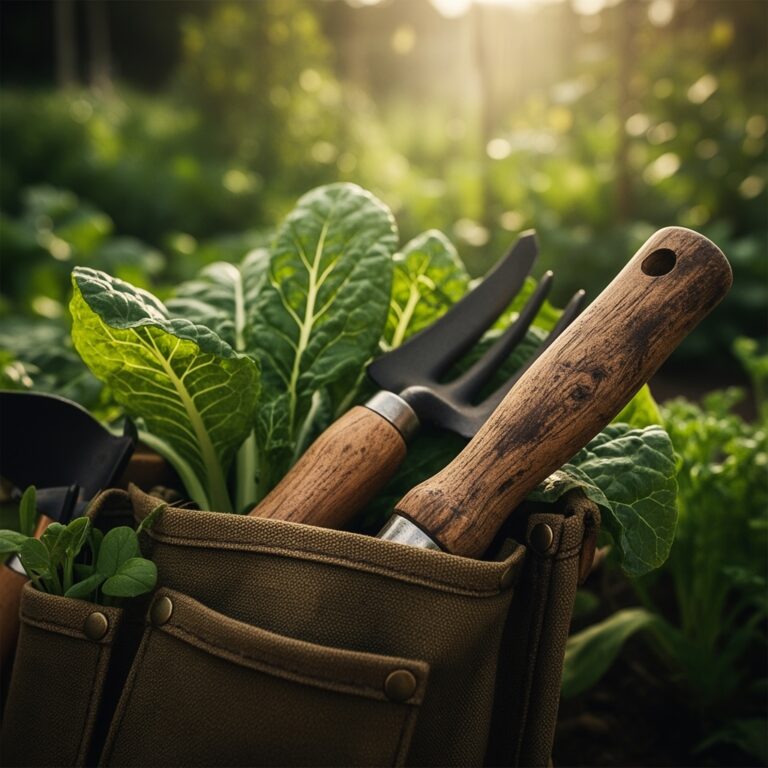
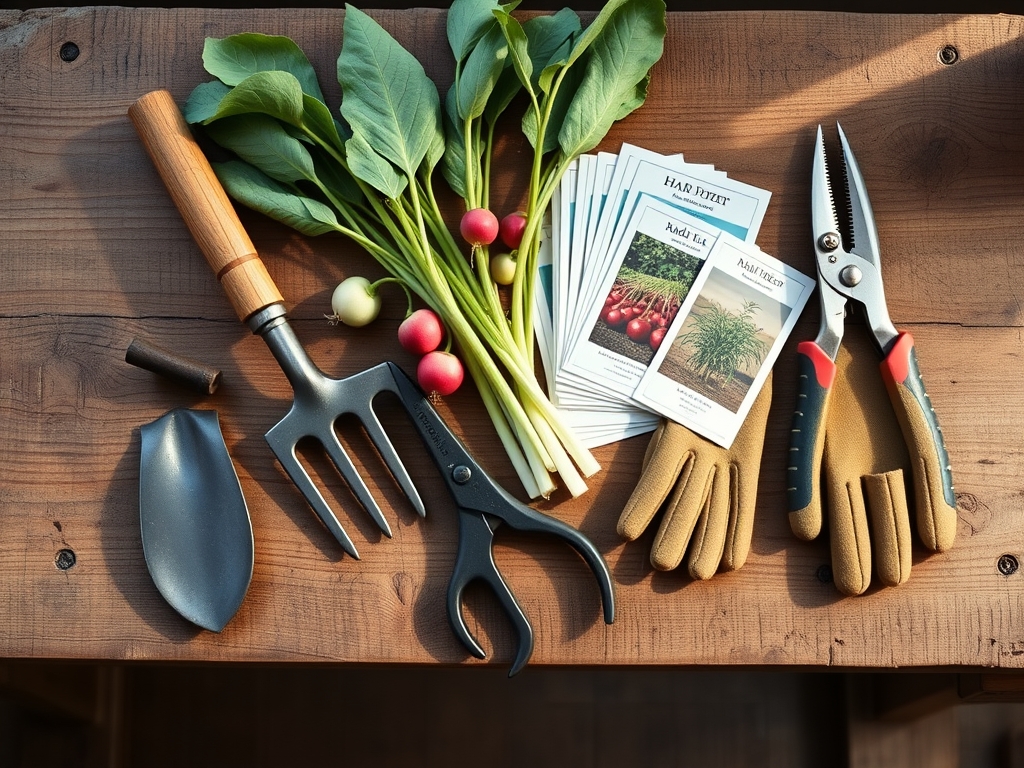
Materials:
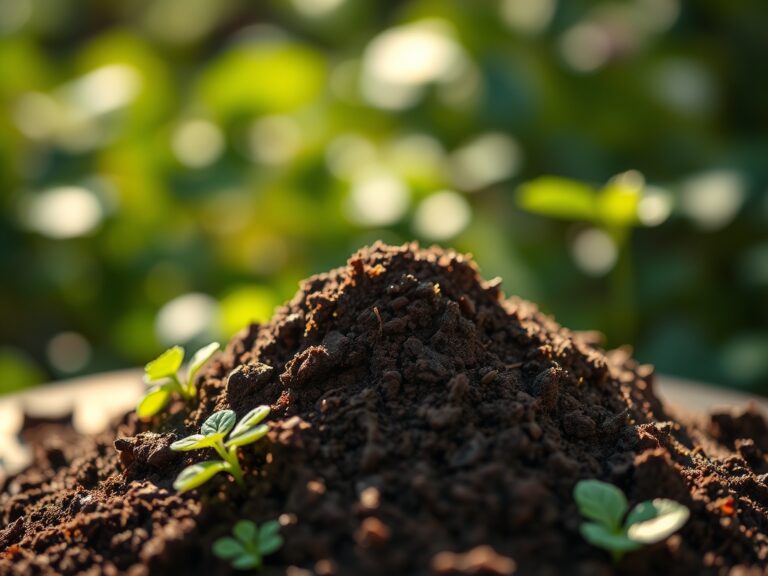
The foundation of a high yield radish garden is a friable loam with a high Cation Exchange Capacity (CEC). This allows the soil to hold onto essential positively charged ions like Calcium and Magnesium. You must target a soil pH between 6.0 and 7.0. If the pH drops below 5.5, molybdenum becomes unavailable; this leads to stunted growth and poor leaf development.
For the nutrient profile, utilize a low nitrogen fertilizer to prevent excessive leaf production at the expense of the root. An NPK ratio of 5-10-10 or 10-20-20 is ideal. High nitrogen levels (the first number) trigger rapid vegetative growth which often results in "all tops and no bottoms." The phosphorus (the middle number) is critical for root expansion and cellular energy transfer. Ensure the substrate is free of stones or heavy clay clods; physical obstructions cause the roots to bifurcate or become misshapen. Incorporate well rotted organic matter to increase the porosity of the soil, ensuring a bulk density that allows for easy root expansion.
Timing:
Radishes are cool season crops that thrive in USDA Hardiness Zones 2 through 10, provided they are planted during the correct thermal window. The biological clock of the radish is governed by the photoperiod and ambient temperature. Ideal germination occurs when soil temperatures are between 55 and 75 degrees Fahrenheit.
Once temperatures consistently exceed 80 degrees Fahrenheit, the plant enters a reproductive state known as bolting. During bolting, the plant redirects all metabolic energy from the root to the production of a flower stalk. This process is triggered by increased gibberellin production within the plant. To avoid this, time your planting for four weeks before the last spring frost or six weeks before the first autumn frost. In temperate zones, successional planting every 10 days ensures a continuous harvest before the summer solstice triggers senescence.
Phases:
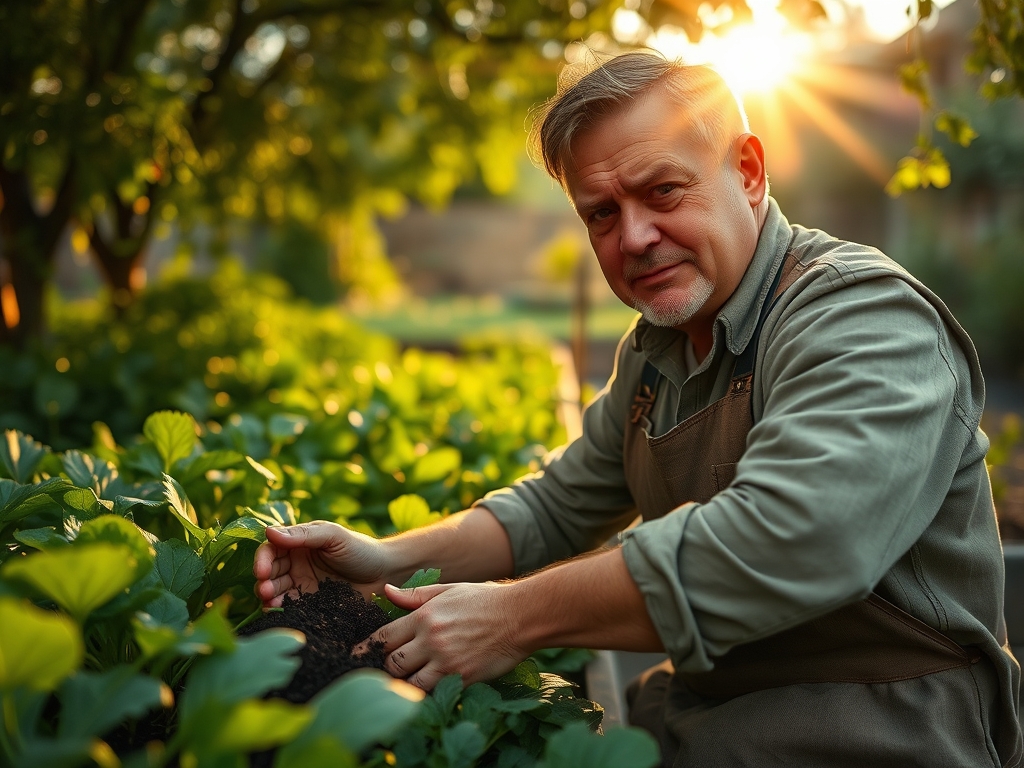
Sowing
Directly sow seeds 0.5 inches deep with a spacing of 1 to 2 inches between seeds. Rows should be set 8 to 12 inches apart. Because radish seeds are small, many gardeners over sow and thin later.
Pro-Tip: Proper spacing is essential to prevent "shading out" which triggers a negative phototropic response. If seedlings are too crowded, they compete for light and nutrients; this causes the plant to stretch vertically rather than investing energy into the hypocotyl. Thinning ensures each plant has a dedicated volume of the rhizosphere for nutrient uptake.
Establishing
Once the first set of true leaves appears, the plant has transitioned from relying on seed energy to active photosynthesis. At this stage, maintain consistent soil moisture to support cell elongation.
Pro-Tip: Maintain a steady moisture profile to manage auxin distribution. Auxins are hormones that regulate growth; erratic watering causes the internal tissues to expand faster than the outer epidermal skin. This results in "root cracking." A soil moisture meter should consistently read in the "moist" range, never "saturated" or "dry."
Thinning and Cultivation
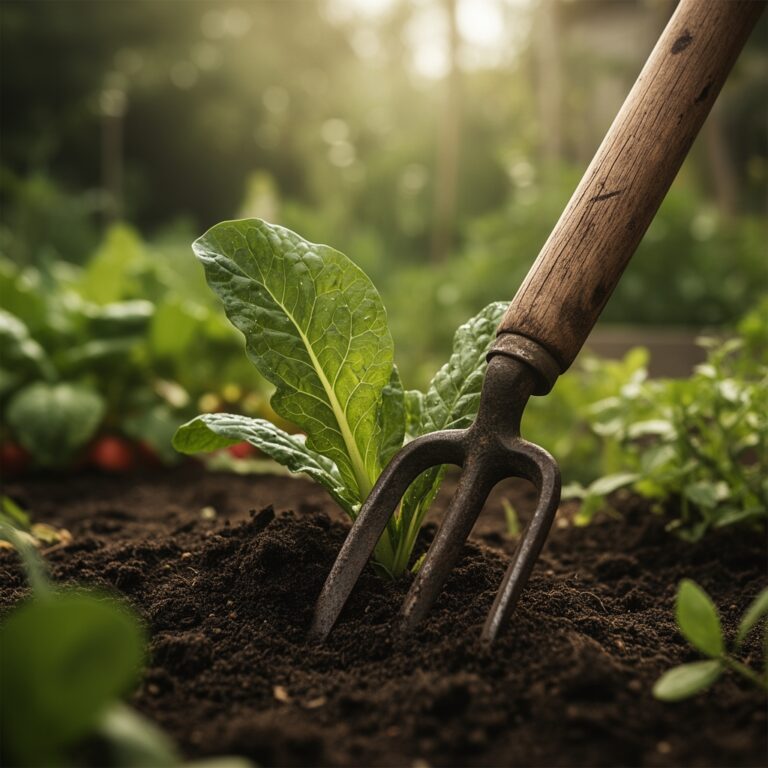
When seedlings reach 2 inches in height, use a hori-hori knife or small snips to thin the plants. Do not pull the unwanted seedlings; this disturbs the delicate root hairs of the remaining plants.
Pro-Tip: Mycorrhizal symbiosis is less common in the Brassicaceae family compared to others, but soil aeration remains vital. By thinning with snips rather than pulling, you preserve the soil structure and prevent the introduction of air pockets around the primary taproot of the keeper plants.
The Clinic:
Symptom: Hollow or Pithy Centers
Solution: This is usually a result of over maturity or rapid growth followed by high temperatures.
Fix-It: Harvest earlier and ensure the soil temperature remains below 75 degrees Fahrenheit. Use organic mulch to insulate the root zone against thermal spikes.
Symptom: Excessive Foliage with No Root
Solution: This indicates a Nitrogen toxicity or insufficient light.
Fix-It: Check your NPK application. If the soil is too rich in Nitrogen, flush the area with water and supplement with a high phosphorus bone meal. Ensure the site receives at least six hours of direct solar radiation.
Symptom: Root Cracking
Solution: This is caused by irregular irrigation cycles.
Fix-It: Implement a strict watering schedule. Provide 1.5 inches of water per week, delivered at the base of the plant to avoid wetting the foliage.
Symptom: Yellowing Leaves (Chlorosis)
Solution: Nitrogen deficiency or poor drainage causing root hypoxia.
Fix-It: If the soil is waterlogged, improve drainage. If the soil is well drained, apply a side dressing of compost tea or a balanced liquid fertilizer to restore Nitrogen levels.
Maintenance:
Precision is the hallmark of a professional garden. Use a soil moisture meter daily to check the top 3 inches of the substrate. If the needle falls below the midpoint, irrigate immediately. Apply water at the drip line rather than over the leaves to prevent fungal pathogens from colonizing the leaf surface.
Keep the garden bed free of weeds. Weeds compete for the same cation exchange sites in the soil and can host pests that target Brassicaceae. Use a hori-hori knife to slice weed roots below the surface without overturning the soil. This "no-till" approach preserves the existing microbial life and prevents dormant weed seeds from being brought to the surface. If you notice any damaged or necrotic leaves, use bypass pruners to remove them cleanly; this prevents the spread of opportunistic pathogens.
The Yield:
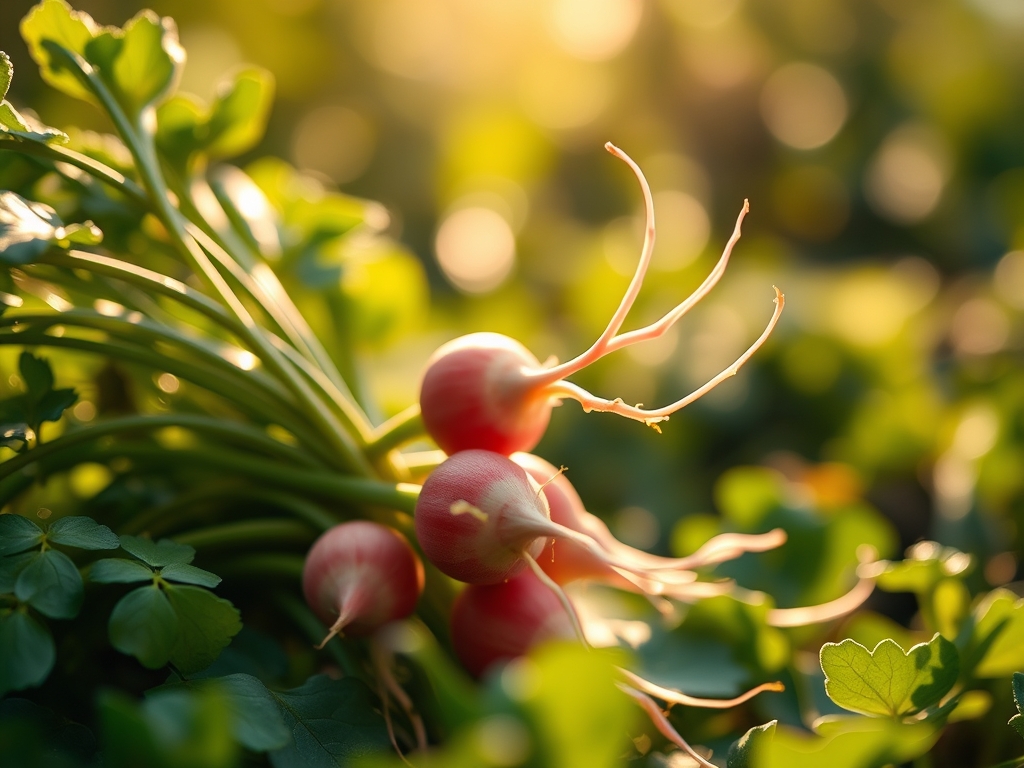
Harvesting is a matter of timing rather than size. Most globe radishes are at peak quality when they reach 1 inch in diameter. Use your finger to feel the top of the radish shoulder at the soil line. If it feels firm and reaches the target diameter, pull it immediately.
To maintain "day-one" freshness, remove the green tops immediately after harvest. The leaves continue to transpire moisture, drawing it out of the root and causing it to shrivel. Wash the roots in cold water to remove soil and store them in a sealed container in the refrigerator at 33 to 35 degrees Fahrenheit. This temperature range slows the metabolic rate of the root, preserving the crisp texture and peppery flavor for up to two weeks.
FAQ:
Why are my radishes too spicy?
High temperatures or water stress increase the concentration of glucosinolates in the root. To keep them mild, ensure the plants grow rapidly in cool temperatures and receive at least 1.5 inches of water per week.
Can I grow radishes in containers?
Yes. Use a container at least 6 inches deep with excellent drainage. Because pots lose moisture faster than in ground beds, use a soil moisture meter twice daily to prevent the substrate from drying out completely.
How do I prevent my radishes from bolting?
Bolting is triggered by long days and heat. Plant in early spring or late summer. If a heat wave occurs, use shade cloth to reduce the ambient temperature and keep the soil cool with mulch.
What is the best fertilizer for radishes?
Avoid high nitrogen formulas. Use a fertilizer with an NPK ratio of 5-10-10. This provides the phosphorus and potassium necessary for robust hypocotyl development without triggering excessive, weak leaf growth that attracts pests.