8 Successful Steps to Plant Edamame Soybeans
The smell of damp, oxygenated silt signals the start of the legume season when the soil temperature stabilizes at 65 degrees Fahrenheit. Success depends on the turgor pressure within the germinating seed; a lack of moisture during the initial imbibition phase leads to cellular collapse. To master the steps to plant edamame soybeans, you must understand the physiological requirements of Glycine max. This is not a casual garden crop. It is a nitrogen-fixing powerhouse that demands specific thermal units and precise soil chemistry to reach its full protein potential. The transition from a dormant seed to a nitrogen-fixing seedling requires a balance of thermal energy and moisture. You are managing a biological factory where the rhizosphere serves as the primary engine. Every decision, from the depth of the furrow to the timing of the harvest, dictates the final sucrose content of the bean. Neglecting the soil structure or ignoring the photoperiod requirements will result in stunted vegetative growth and poor pod set. Precision is the only path to a high-yielding harvest.
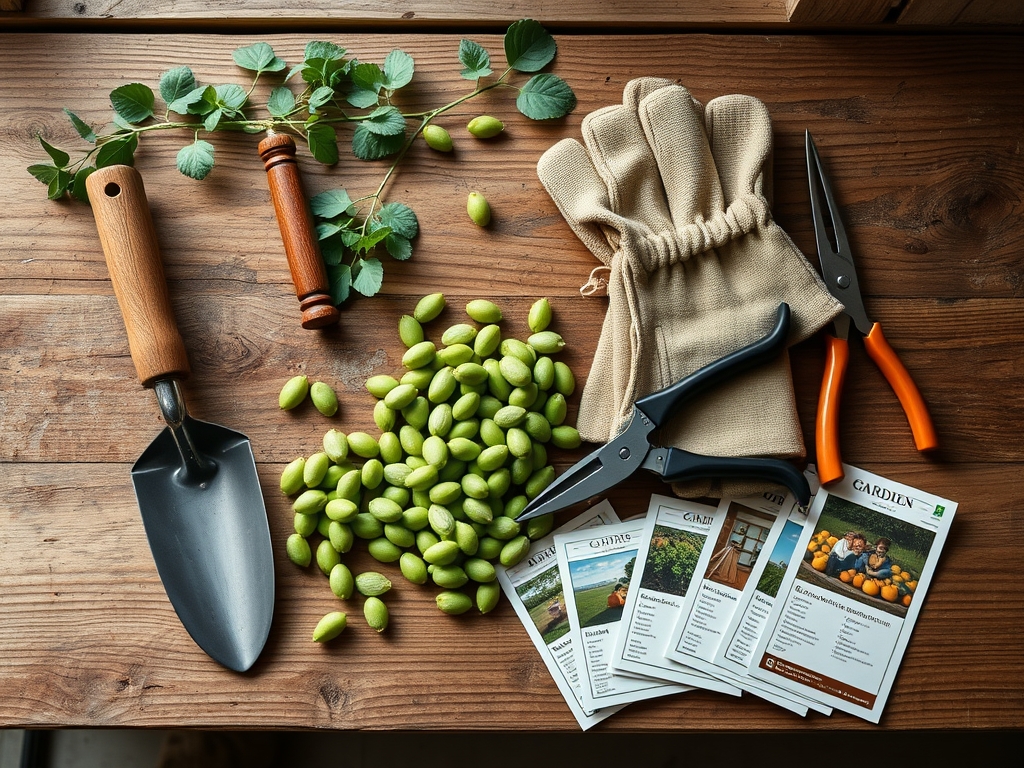
Materials:
The substrate must be a friable loam with a high Cation Exchange Capacity (CEC) to ensure nutrient availability. Edamame thrives in a soil pH range of 6.0 to 6.8. If your soil is too acidic, the symbiotic relationship with nitrogen-fixing bacteria will fail. You require a low-nitrogen, high-phosphorus starter fertilizer. Aim for an NPK ratio of 5-10-10. Because soybeans are legumes, they fix their own nitrogen via Bradyrhizobium japonicum bacteria; excess synthetic nitrogen will discourage this natural process and lead to lush foliage with zero pod production.
Ensure you have a Rhizobium inoculant powder specifically formulated for soybeans. The physical texture of the bed should be loose enough to allow the taproot to penetrate at least 12 inches without resistance. Heavy clay soils must be amended with organic matter to prevent crusting, which can physically trap the cotyledons below the surface during emergence.
Timing:
Edamame is a warm-season crop suited for USDA Hardiness Zones 3 through 9, though the growing window varies by latitude. Do not plant until the danger of frost has passed and the soil remains consistently above 60 degrees Fahrenheit. The "Biological Clock" of the soybean is governed by the photoperiod. Most edamame varieties are short-day plants; they trigger the transition from the vegetative stage (V-stage) to the reproductive stage (R-stage) as nights lengthen.
In northern latitudes, planting too late can result in the plant reaching the reproductive trigger before it has built enough vegetative biomass to support a heavy crop. Aim for a planting window that allows for 70 to 90 frost-free days. Use a soil thermometer to verify that the 4-inch depth temperature is stable for three consecutive days before sowing.
Phases:

Sowing and Inoculation
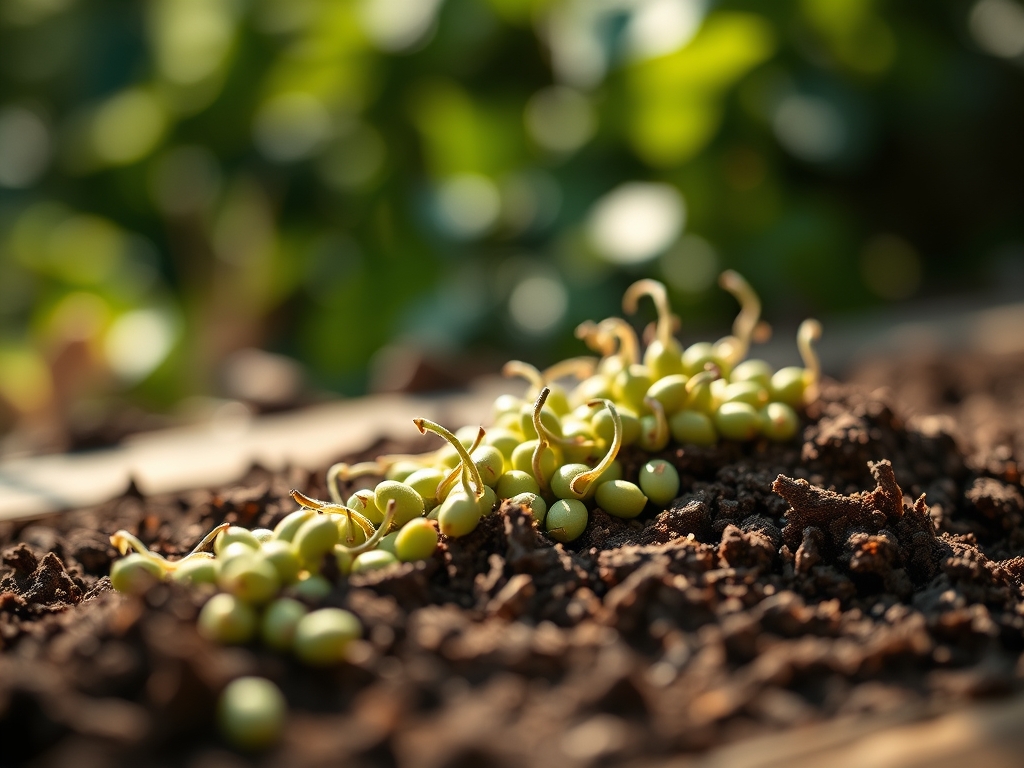
Coat your seeds with the Rhizobium inoculant immediately before planting. Sow seeds 1 to 1.5 inches deep, spaced 3 inches apart in rows separated by 24 inches. Proper depth is critical; shallow planting leads to desiccation, while planting deeper than 2 inches can exhaust the seed's energy reserves before it reaches the light.
Pro-Tip: The "Biological Why" here involves Thigmotropism. As the seedling pushes through the soil, physical resistance triggers the release of ethylene, thickening the stem to provide the structural integrity needed to lift the cotyledons.
Establishing the Rhizosphere
Once the seedlings reach 4 inches in height, thin them to a final spacing of 6 inches. This reduces competition for light and ensures adequate airflow to prevent fungal pathogens. During this phase, the plant establishes its symbiotic relationship with soil bacteria. You will notice small nodules forming on the roots; these are the nitrogen factories.
Pro-Tip: This phase relies on Chemotaxis. The plant roots secrete flavonoids that attract Rhizobium bacteria, which then colonize the root hairs to form nodules. Avoid high-nitrogen fertilizers now, as they suppress this signaling.
Managing the Reproductive Switch
As the plant enters the R1 stage (beginning bloom), its water demand spikes. The flowers are small and often self-pollinating. Any moisture stress during this window will cause flower abortion, significantly reducing your yield. Monitor the turgor pressure of the leaves; if they flag in the afternoon, the plant is in distress.
Pro-Tip: Soybeans exhibit Photoperiodism. The protein phytochrome senses the duration of darkness, signaling the plant to stop producing leaves and start producing pods. Consistent soil moisture ensures the plant has the hydraulic pressure to expand these new cells.
The Clinic:
Symptom: Interveinal Chlorosis
Solution: This is often a sign of Manganese or Iron deficiency, common in soils with a pH above 7.0.
Fix-It: Apply a chelated micronutrient foliar spray or lower the soil pH using elemental sulfur to increase nutrient bioavailability.
Symptom: Stunted Growth and Yellow Lower Leaves
Solution: This indicates Nitrogen deficiency, likely due to poor nodulation or waterlogged soils that have become anaerobic.
Fix-It: Check for root nodules. If they are white or green inside, they are inactive. If they are pink or red, they are working. Improve drainage and apply a light dose of 5-10-10 fertilizer.
Symptom: Flower Drop
Solution: This is typically caused by Heat Stress or temperatures exceeding 90 degrees Fahrenheit during the bloom cycle.
Fix-It: Increase irrigation frequency to provide evaporative cooling and mulch the base of the plants to stabilize soil temperatures.
Maintenance:
Precision irrigation is mandatory. Provide 1.5 inches of water per week, delivered at the drip line to keep the foliage dry. Use a soil moisture meter to ensure the root zone stays consistently moist but not saturated. Weeding must be handled with care; soybean roots are shallow and easily damaged. Use a hori-hori knife to slice weeds at the soil line rather than pulling them, which preserves the delicate rhizosphere.
As the pods fill, the weight may cause the plants to lean. You do not need elaborate trellising, but a simple stake and twine system can prevent lodging (plants falling over), which keeps pods off the soil and reduces the risk of rot. Use bypass pruners to remove any diseased or necrotic tissue immediately to prevent the spread of powdery mildew.
The Yield:
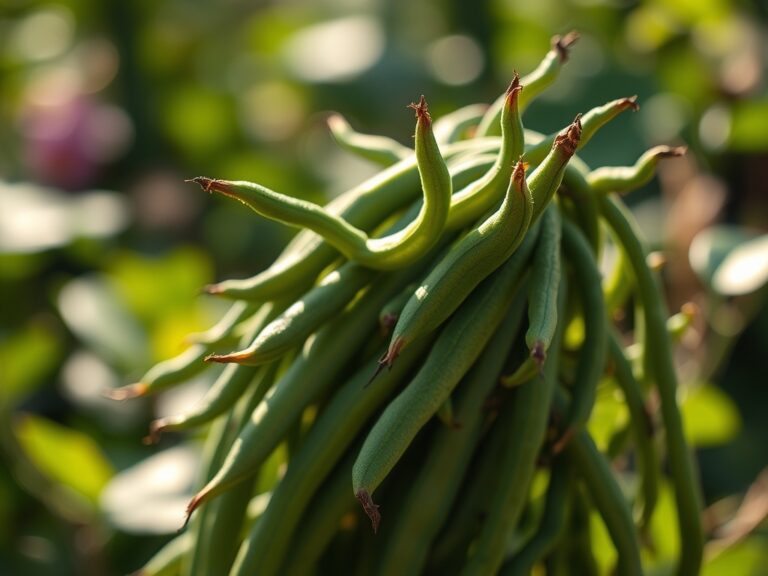
Harvesting edamame is a game of hours, not days. The pods are ready when they are bright green, plump, and the beans inside are touching, but before the pods turn yellow. Yellowing indicates senescence, where the sugars in the bean convert to starch, resulting in a mealy texture and loss of flavor.
To harvest, use bypass pruners or sharp shears to snip the pods from the stem. Do not pull them by hand, as this can damage the brittle branches and compromise the remaining pods. For "day-one" freshness, harvest in the cool of the early morning when the plant's sucrose levels are at their peak. Blanch the pods in boiling water for three minutes immediately after harvest to stop the enzymatic breakdown of sugars.
FAQ:
How deep should I plant edamame seeds?
Sow seeds 1 to 1.5 inches deep. Planting too shallow causes the seeds to dry out, while planting deeper than 2 inches prevents the seedling from reaching the surface before its energy reserves are depleted.
Do edamame soybeans need a trellis?
Most edamame varieties are bush-type and reach 2 to 3 feet in height. They generally do not require a trellis, but a simple stake can prevent lodging if the pods become exceptionally heavy.
Why are my edamame leaves turning yellow?
Yellowing usually indicates Nitrogen chlorosis or poor drainage. Check for active, pink root nodules. If the soil is waterlogged, the roots cannot breathe, leading to nutrient uptake failure and leaf senescence.
When is the best time to harvest edamame?
Harvest when the pods are bright green and plump, typically 75 to 90 days after sowing. Once the pods begin to turn yellow, the sugars convert to starch, ruining the flavor and texture of the beans.