6 Useful Tips How to Grow Lima Beans
The smell of damp, warming earth in late spring signals the start of the pulse season. Success depends on the turgor of a healthy leaf and the structural integrity of the Phaseolus lunatus vine. Understanding how to grow lima beans requires a commitment to soil temperature and precise moisture management. These legumes demand a long, warm growing season. They rely on steady cellular expansion to produce the heavy pods that characterize a successful harvest.
Lima beans are sensitive to cold shock. Their large seeds are prone to rotting if the soil remains saturated and cool. To master how to grow lima beans, the gardener must transition from a casual observer to a technician of the rhizosphere. This involves monitoring the soil profile for heat retention and ensuring the nitrogen-fixing bacteria have the right environment to thrive. A successful crop starts with a calculated approach to site selection and substrate preparation. Every action taken in the first three weeks of growth dictates the ultimate yield potential of the plant.
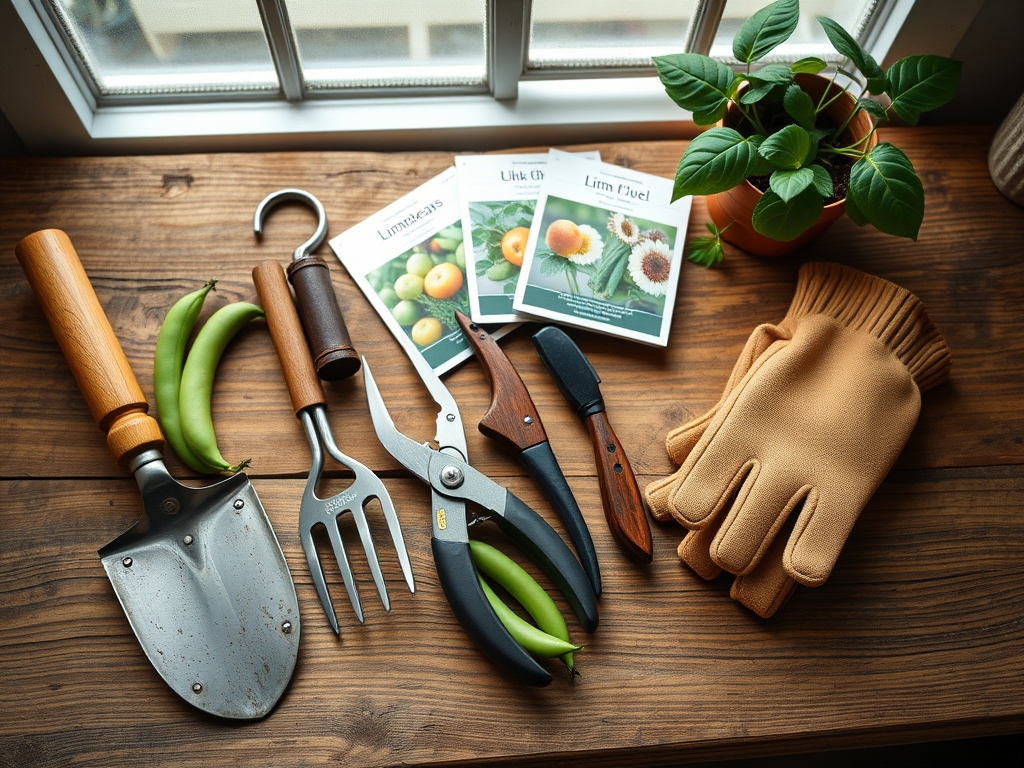
Materials:
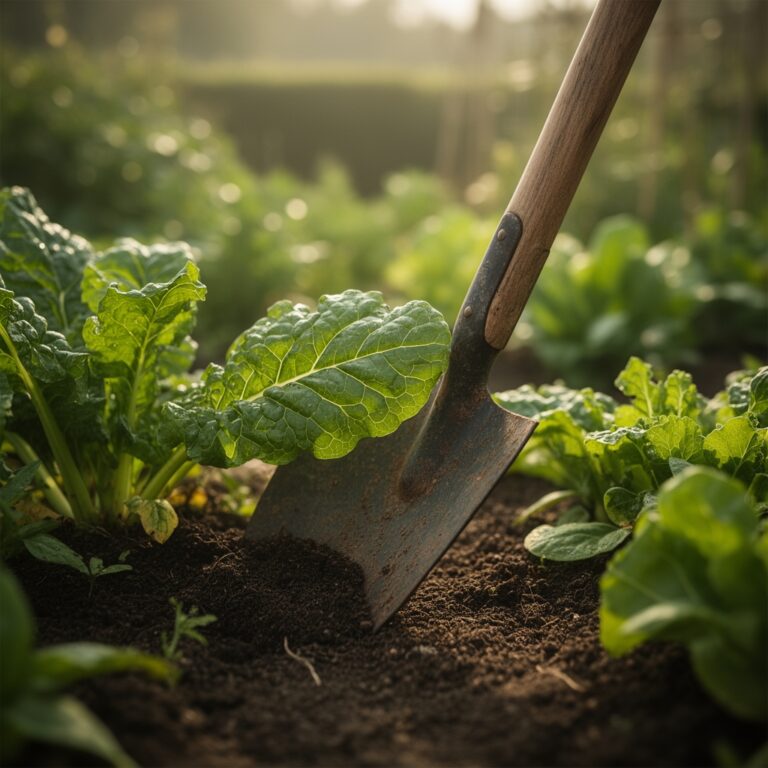
The ideal substrate for lima beans is a **friable loam** with a high **Cation Exchange Capacity (CEC)**. This allows the soil to hold and exchange essential nutrients like calcium and magnesium. Aim for a **soil pH between 6.0 and 6.8**. If the pH drops below 6.0, molybdenum becomes less available; this halts the nitrogen-fixation process.
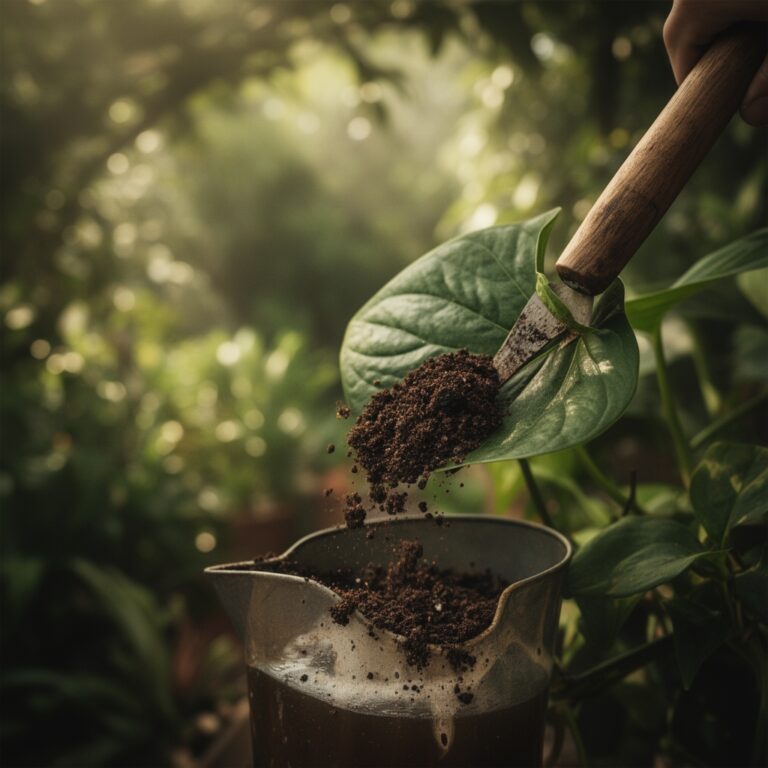
For fertilization, use an NPK ratio of 5-10-10. Avoid high-nitrogen fertilizers. Excessive nitrogen triggers aggressive vegetative growth at the expense of pod development. The physical texture must allow for rapid drainage while maintaining enough organic matter to support microbial life. Incorporate well-rotted compost to increase the water-holding capacity without causing anaerobic conditions. Ensure your site receives a minimum of eight hours of direct solar radiation daily to maintain the high metabolic rates required for bean production.
Timing:
Lima beans are strictly warm-season annuals. They are most productive in USDA Hardiness Zones 5 through 11, though the window for success narrows in northern latitudes. Do not sow seeds until the soil temperature consistently reaches 65 degrees Fahrenheit. Planting in soil below 60 degrees Fahrenheit often results in poor germination and seed decay.
The biological clock of the lima bean involves a distinct transition from the vegetative stage to the reproductive stage. This transition is often triggered by the photoperiod and heat accumulation. Most bush varieties require 60 to 80 days to reach maturity; pole varieties may require up to 90 or 100 days. Monitor the local frost-date windows carefully. A late spring frost will kill young seedlings, while an early autumn frost will terminate pod filling before the seeds reach full density.
Phases:

Sowing
Direct sow seeds 1 to 1.5 inches deep. Space bush varieties 3 to 6 inches apart in rows; pole varieties require 8 to 12 inches of spacing to accommodate vertical growth.
Pro-Tip: Ensure the soil is moist but not saturated at the time of sowing. Biological Why: Lima beans are dicots with large cotyledons that must be pushed through the soil surface. Excessive soil crusting or mechanical resistance can cause "neck-breaking," where the hypocotyl snaps during emergence.
Transplanting
While direct sowing is preferred, northern gardeners may start seeds indoors in peat or paper pots three weeks before the last frost. Use a heat mat to maintain a constant 75 degrees Fahrenheit.
Pro-Tip: Minimize root disturbance during the move to the garden. Biological Why: Lima beans have a sensitive taproot system. Disrupting the rhizosphere during transplanting can cause a temporary cessation of water uptake, leading to a permanent reduction in the plant's photosynthetic capacity.
Establishing
Once the first true leaves appear, the plant begins its rapid expansion phase. This is when the symbiotic relationship with Rhizobium bacteria begins in the root nodules.
Pro-Tip: Mulch the base of the plants with clean straw or shredded leaves. Biological Why: Mulching stabilizes soil temperature and prevents moisture fluctuations. This protects the delicate mycorrhizal symbiosis in the upper three inches of soil, ensuring the plant has consistent access to phosphorus and micronutrients.
The Clinic:
Physiological disorders often mimic disease but are usually caused by environmental stress or nutrient imbalances.
Symptom: Flower Drop (Abscission).
Solution: This occurs when temperatures exceed 90 degrees Fahrenheit. Provide afternoon shade or increase irrigation to lower the ambient temperature around the blossoms.
Symptom: Interveinal Chlorosis (Yellowing between leaf veins).
Solution: This indicates a Magnesium deficiency. Apply a foliar spray of Epsom salts (magnesium sulfate) at a rate of one tablespoon per gallon of water.
Symptom: Stunted growth and pale green leaves.
Solution: This is Nitrogen chlorosis. While beans fix their own nitrogen, young plants may need a light application of 5-10-10 fertilizer if the soil is depleted.
Symptom: Curled or distorted new growth.
Solution: Check for Zinc deficiency, especially in high pH soils. Adjust the pH to 6.5 to increase micronutrient solubility.
Maintenance:
Precision irrigation is the backbone of lima bean maintenance. Provide 1.5 inches of water per week applied directly at the drip line. Avoid overhead irrigation; wet foliage encourages fungal pathogens and disrupts pollen viability. Use a soil moisture meter to ensure the root zone stays consistently moist but not waterlogged.
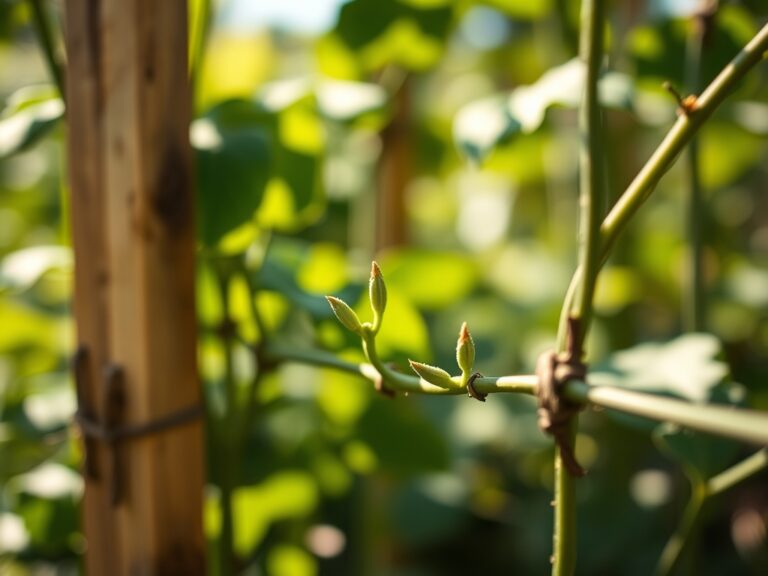
Weed control must be handled with care. Use a hori-hori knife to extract deep-rooted weeds without disturbing the bean's shallow lateral roots. If growing pole varieties, install a sturdy trellis or cattle panel at the time of planting. As the vines grow, use bypass pruners to remove any diseased or dead foliage to improve airflow through the canopy. This reduces the humidity levels that lead to mildew.
The Yield:
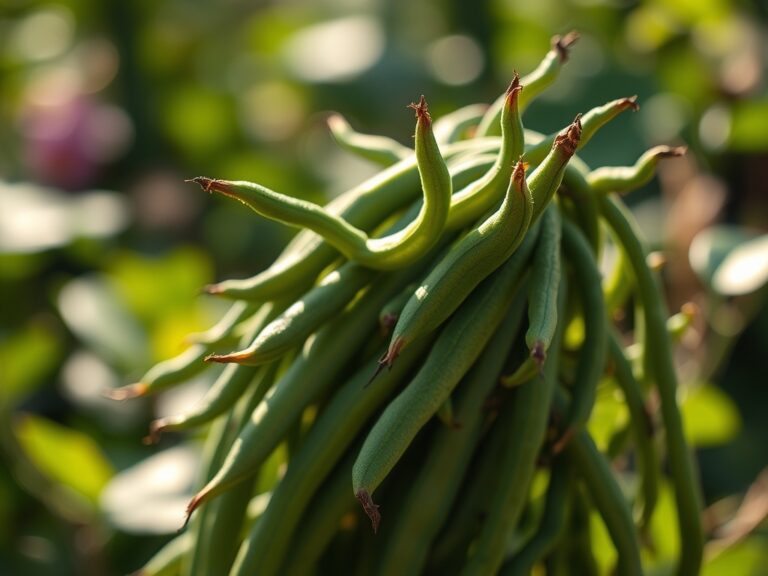
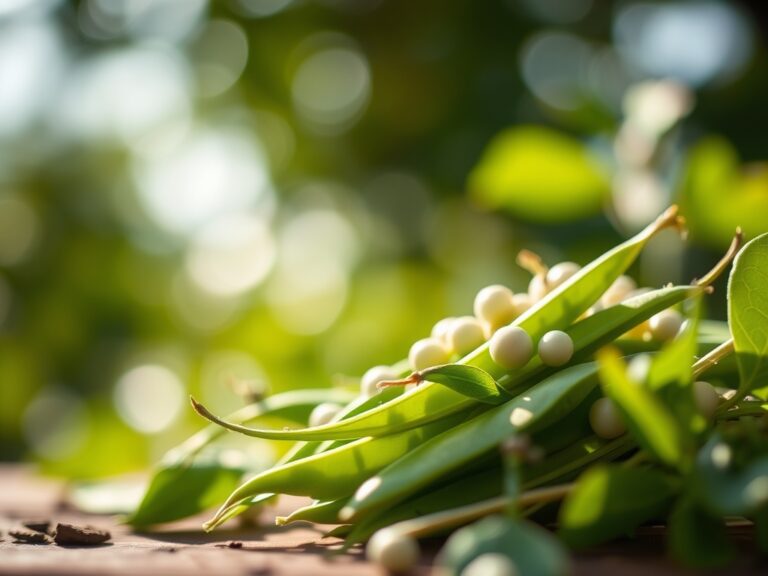
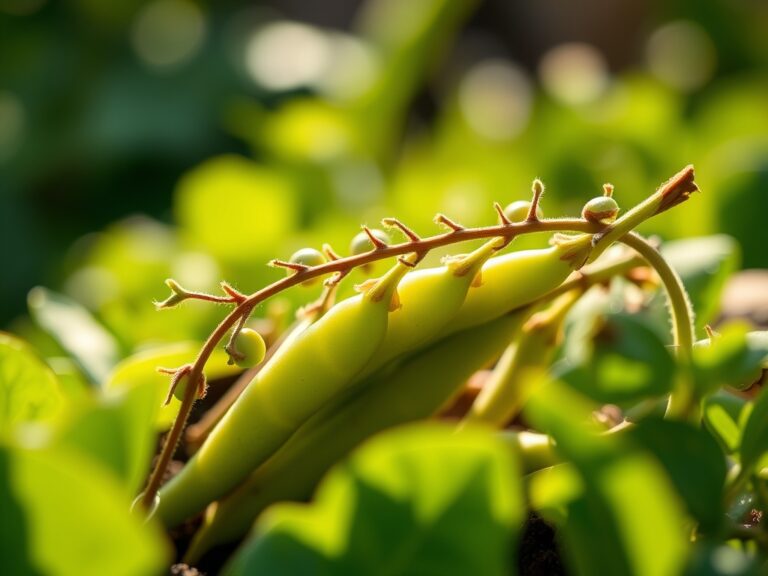
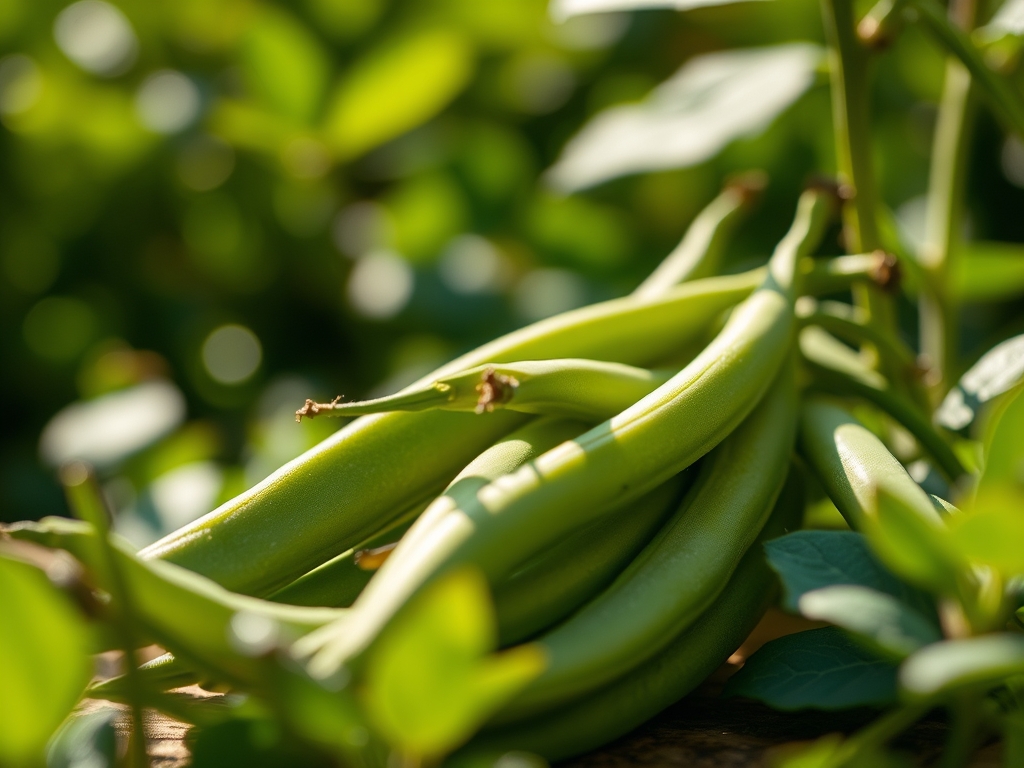
Harvesting timing depends on whether you want "shelling" beans or "dry" beans. For fresh shelling beans, harvest when the pods are plump, firm, and bright green. The seeds inside should be distinct and full. If you wait too long, the pods will become "woody" and the sugars will convert to starch.
For dry beans, leave the pods on the vine until they are brown and brittle. The seeds should be hard enough that they cannot be dented with a fingernail. To maintain "day-one" freshness for shelling beans, harvest in the early morning when turgor pressure is at its peak. Cool the beans immediately in a refrigerator at 40 degrees Fahrenheit to slow down the rate of senescence and preserve the flavor profile.
FAQ:
Why are my lima bean seeds not germinating?
Soil temperature is likely too low. Seeds require at least 65 degrees Fahrenheit to sprout. Cold, wet soil causes the large seeds to rot before the hypocotyl can emerge. Always use a soil thermometer before planting.
Do I need to inoculate my lima bean seeds?
If you have not grown beans in that spot for three years, use a Rhizobium leguminosarum inoculant. This ensures the roots can form nodules and fix atmospheric nitrogen, which is essential for high-protein seed development.
How often should I water my lima beans?
Provide 1 to 1.5 inches of water per week. Increase frequency during the flowering and pod-setting stages. Consistent moisture prevents blossom drop and ensures the pods fill out completely without becoming tough or bitter.
What is the best fertilizer for lima beans?
Use a low-nitrogen formula like 5-10-10. High nitrogen levels promote excessive leaf growth but inhibit flower production. Apply at planting and again when the plants begin to bloom to support heavy pod development.
Can I grow lima beans in containers?
Yes, use a container that holds at least 5 gallons of soil. Ensure it has excellent drainage. Bush varieties are better suited for containers than pole varieties, as they maintain a more compact growth habit.