6 Easy Ways How to Plant Sugar Snap Peas
Success in the cool-season garden begins with the scent of decomposing organic matter and the tactile resistance of well-hydrated cell walls. To understand how to plant sugar snap peas, a grower must prioritize turgor pressure; the internal fluid force that keeps these climbing legumes upright and productive. These plants thrive when the soil temperature hits a consistent 45 to 50 degrees Fahrenheit. At this thermal threshold, metabolic enzymes activate, signaling the seed to break dormancy and push a radicle into the dark rhizosphere. Precision in depth and spacing ensures that each seedling accesses the necessary oxygen and moisture for rapid early-stage development.
Maintaining a high leaf turgor is critical for the plant to transport nutrients from the root system to the developing pods. When the vine feels crisp and the leaves are firm to the touch, the vascular system is functioning at peak efficiency. This guide details the technical requirements for establishing a high-yielding crop, focusing on the chemical and biological variables that dictate success. Mastery of these variables transforms a simple garden task into a rigorous exercise in horticultural science.
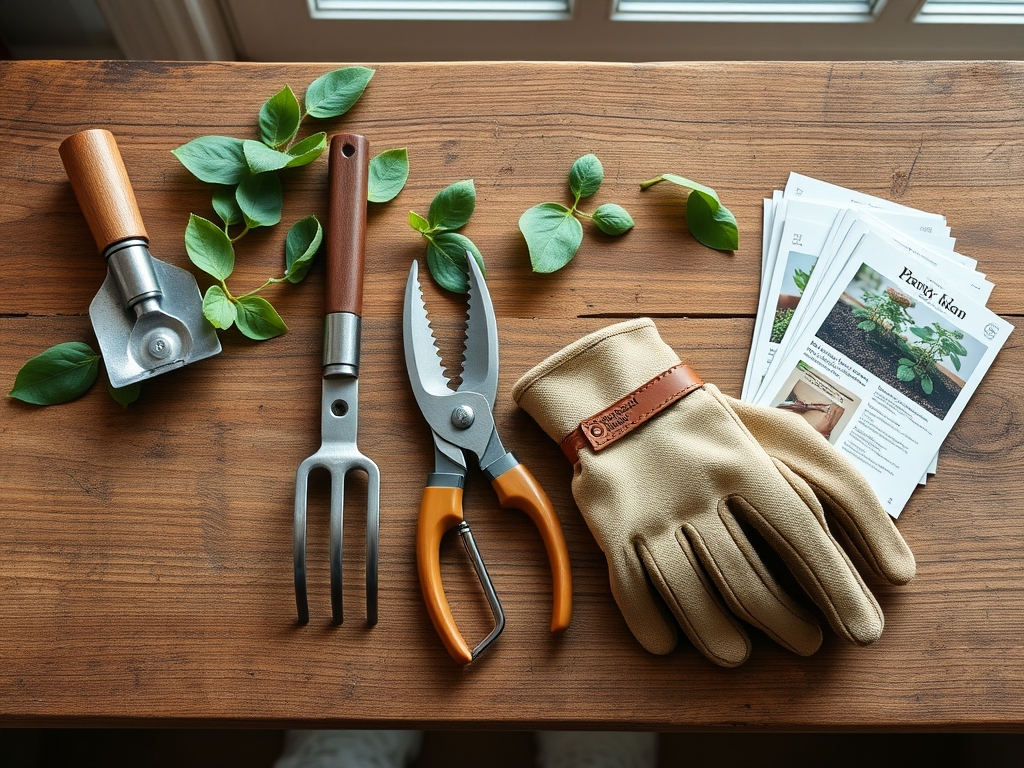
Materials:
The foundation of a successful pea crop is a friable loam with a high Cation Exchange Capacity (CEC). This measurement indicates the soil's ability to hold and exchange essential cations like calcium, magnesium, and potassium. You must aim for a soil pH between 6.0 and 7.5. If the pH drops below 5.5, the availability of molybdenum decreases, which is a micronutrient required for the nitrogen-fixing bacteria living in the root nodules.
Your fertilizer strategy should focus on a low-nitrogen, high-phosphorus, and high-potassium ratio. An NPK ratio of 5-10-10 is ideal. Excessive nitrogen at the planting stage will stimulate lush vegetative growth at the expense of flower and pod production. Ensure the substrate is rich in organic matter to maintain a sponge-like texture that retains moisture without becoming anaerobic. If the soil is compacted, the roots will struggle to penetrate the medium, leading to stunted growth and poor nutrient uptake.
Timing:
Sugar snap peas are photoperiod-sensitive annuals that require a specific "Biological Clock" alignment to transition from the vegetative stage to the reproductive stage. In USDA Hardiness Zones 3 through 6, planting should occur as soon as the soil can be worked in early spring. In Zones 7 through 9, a fall planting is often more successful to avoid the high heat of late spring, which triggers premature senescence.
The transition to flowering is triggered by increasing day length and rising temperatures. However, if ambient temperatures exceed 85 degrees Fahrenheit, the pollen becomes sterile and the plant will drop its blossoms. Aim for a window that allows 60 to 70 days of growth in temperatures ranging from 55 to 70 degrees Fahrenheit. This ensures the plant completes its life cycle before the heat stress of mid-summer compromises the vascular integrity of the vines.
Phases:
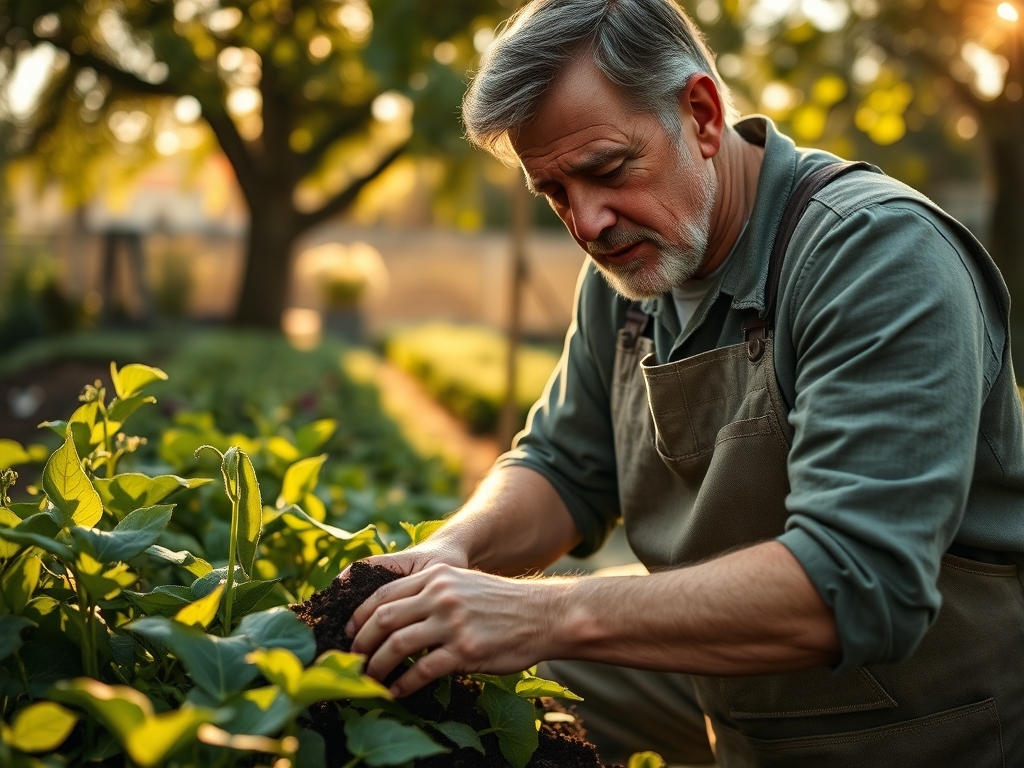
Sowing the Seed
Direct sow seeds 1 to 1.5 inches deep, spaced 2 inches apart in rows. If you are using a trellis system, sow seeds on both sides of the support structure to maximize vertical space. The soil must be moist but not saturated to prevent seed rot caused by fungal pathogens.
Pro-Tip: Coat your seeds in a Rhizobium leguminosarum inoculant before planting. This introduces the specific bacteria necessary for nitrogen fixation. This symbiotic relationship allows the plant to convert atmospheric nitrogen into a usable form, reducing the need for synthetic fertilizers.
Transplanting Seedlings
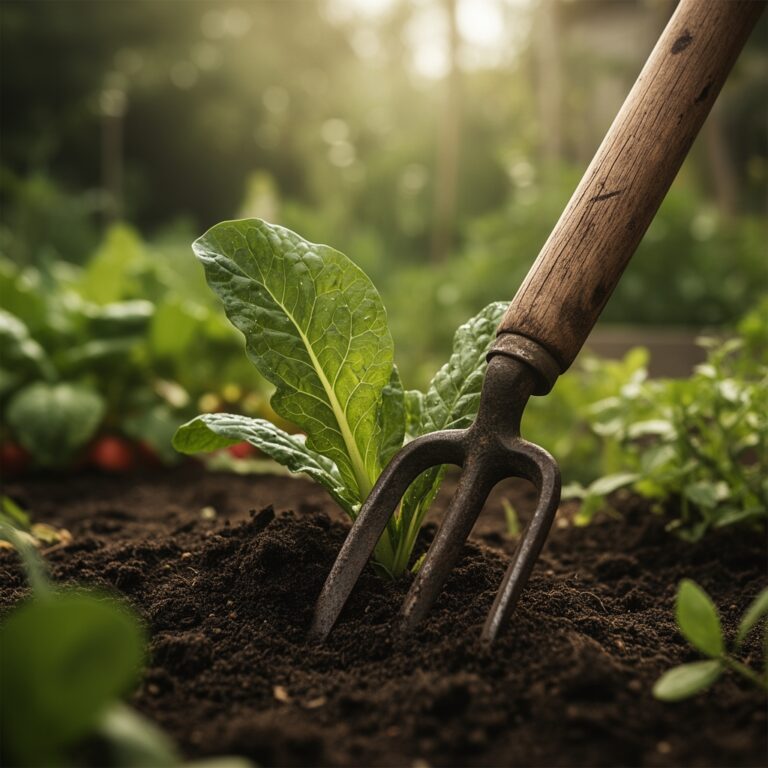
While direct sowing is preferred, you can start peas indoors in biodegradable peat pots to avoid root disturbance. Transplant when the seedlings are 3 inches tall. Use a hori-hori knife to cut a precise slit in the soil, ensuring the root ball is seated at the same depth it was in the pot.
Pro-Tip: Handle seedlings by the cotyledons rather than the stem. Damaging the stem can disrupt the auxin flow, the hormone responsible for apical dominance. If the main lead is crushed, the plant may experience stunted growth or fail to climb effectively.
Establishing the Vine
Once the plants reach 6 inches in height, they will begin searching for a vertical structure using their tendrils. These tendrils operate via thigmotropism, a directional growth movement in response to touch. Provide a mesh or wire trellis immediately to prevent the vines from sprawling on the damp earth.
Pro-Tip: Ensure the trellis is thin enough for tendrils to wrap around. A diameter of 0.25 inches or less is optimal. This physical support reduces the energy the plant spends on structural reinforcement, allowing more carbohydrates to be diverted to pod development.
The Clinic:
Physiological disorders often mimic pest damage but are usually rooted in environmental or nutritional imbalances.
- Symptom: Powdery Mildew (White, flour-like coating on leaves).
- Solution: This fungal issue arises in high humidity with poor airflow. Increase spacing between plants to 4 inches and apply a sulfur-based fungicide or a diluted milk spray to alter the leaf surface pH.
- Symptom: Nitrogen Chlorosis (Yellowing of older, lower leaves).
- Solution: This indicates a mobile nutrient deficiency. While peas fix nitrogen, a severe lack in the soil requires a quick-release organic liquid fertilizer. Apply a fish emulsion at half-strength to the root zone.
- Symptom: Flower Drop (Blossoms falling off without setting fruit).
- Solution: This is typically caused by heat stress or lack of pollination. Use a shade cloth to lower the canopy temperature by 5 to 10 degrees and ensure consistent moisture levels.
Fix-It: If you notice stunted growth and purple-tinted stems, this is a sign of Phosphorus deficiency. This often occurs in cold, wet soils where phosphorus becomes chemically locked. Apply a side-dressing of bone meal or rock phosphate to the rhizosphere to stimulate root expansion.
Maintenance:
Precision hydration is the most important maintenance task. Sugar snap peas require 1.5 inches of water per week, delivered directly to the drip line. Avoid overhead irrigation, as wet foliage encourages the germination of fungal spores. Use a soil moisture meter to verify that the root zone is consistently damp at a depth of 4 inches.
Weeding should be performed with a hori-hori knife or by hand to avoid disturbing the shallow, delicate root systems. Mulching with clean straw or shredded leaves helps regulate soil temperature and prevents moisture evaporation. As the vines grow, use bypass pruners to remove any yellowing or diseased foliage at the base of the plant to improve vertical airflow.
The Yield:
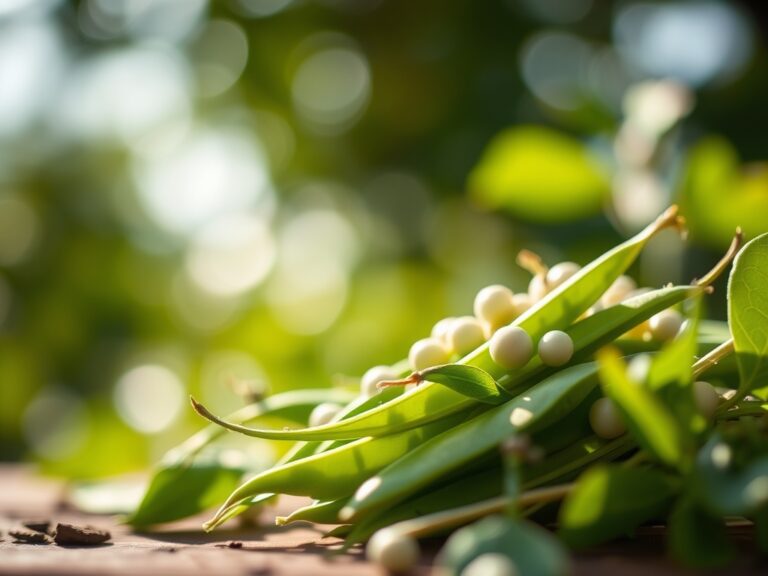
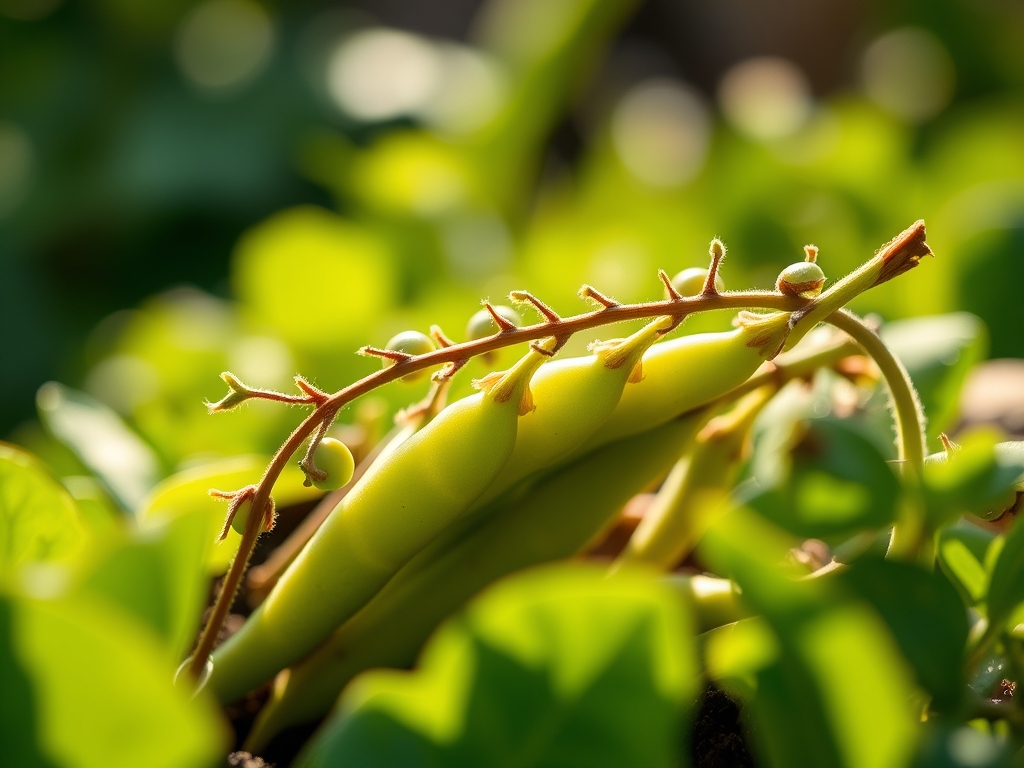
Harvesting begins when the pods are plump and the seeds inside are visible but not fully distended. The pods should snap cleanly when bent; this is a sign of high sugar content and optimal turgor. Use two hands to harvest: one to hold the vine and the other to pull the pod. This prevents tearing the fragile vascular tissue of the main plant.
For "day-one" freshness, harvest in the early morning when the sugar concentrations are highest and the plant is fully hydrated. Immediately submerge the harvested pods in an ice-water bath for 10 minutes to remove field heat. This process, known as hydro-cooling, slows down the metabolic rate and prevents the sugars from converting into starch, preserving the crisp texture and sweet flavor.
FAQ:
How deep should I plant sugar snap pea seeds?
Sow seeds 1 to 1.5 inches deep in well-drained soil. Deep planting protects the seed from temperature fluctuations and ensures adequate moisture contact for germination. In heavy clay soils, stick to the 1-inch depth to prevent oxygen deprivation.
Do sugar snap peas need a trellis?
Yes, most varieties reach heights of 4 to 6 feet. Providing a vertical structure via thigmotropism allows for better airflow, reduces disease pressure from soil contact, and makes the harvesting process more efficient for the grower.
Why are my pea leaves turning yellow?
Yellowing, or chlorosis, usually indicates a nitrogen deficiency or waterlogged soil. Check the drainage first. If the soil is not oversaturated, apply a low-nitrogen organic fertilizer to support the plant until its nitrogen-fixing nodules are fully functional.
How often should I water sugar snap peas?
Provide 1.5 inches of water per week. Use a soil moisture meter to ensure the moisture reaches the root zone. Consistent hydration is vital during the flowering and pod-setting stages to prevent the pods from becoming bitter or stringy.
When is the best time to harvest sugar snap peas?
Harvest when pods are 3 inches long and have a rounded appearance. The pods should be bright green and snap easily. For the best flavor, harvest in the cool morning hours to ensure maximum sugar retention and cellular turgor.