8 Best Specimen Plants for Professional Design
Damp earth smells of geosmin and microbial activity. It is the scent of a functioning rhizosphere where nutrient cycling occurs at peak efficiency. When you grasp a leaf, you feel the turgor pressure; the internal hydraulic force that keeps the plant upright and indicates a healthy vascular system. Selecting the best plants for garden design requires more than aesthetic intuition. It demands an understanding of botanical architecture and physiological requirements. A specimen plant serves as a structural anchor. It must possess a distinct form, whether it is the weeping habit of a Japanese Maple or the rigid verticality of an Agave. These plants are the heavy lifters of the landscape. They define space and dictate the movement of light and shadow. Success depends on matching the physiological needs of the species to the microclimate of the site. You are not just planting; you are engineering a living system that must withstand environmental stressors while maintaining structural integrity. Every choice must be backed by data regarding soil chemistry and light levels.
Materials:
The substrate is the foundation of specimen health. Most high-value design plants require a friable loam with a high Cation Exchange Capacity (CEC). This allows the soil to hold and release essential nutrients like potassium and magnesium.
- Acidophiles (Acer palmatum, Camellia): Require a soil pH between 4.5 and 5.8. Use an NPK ratio of 4-8-5 to encourage root development without forcing excessive leggy growth.
- Neutral to Alkaline Specimens (Buxus, Syringa): Thrive in pH 6.5 to 7.5. A balanced NPK of 10-10-10 provides the necessary nitrogen for foliage density.
- Structural Succulents (Agave, Yucca): Demand rapid drainage. Use a substrate of 50 percent inorganic grit (pumice or perlite) and 50 percent organic matter. Target a low-nitrogen NPK such as 2-7-7 to prevent tissue bloating.
Timing:
Hardiness Zones dictate the survival threshold. Most specimen plants for professional design are rated for Zones 5 through 9. You must install these plants during the dormant window; either late autumn after the first hard frost or early spring before bud break. This minimizes transplant shock by allowing the root system to establish before the high transpiration demands of summer.
The biological clock of a specimen plant is governed by the photoperiod. For example, many flowering specimens transition from the vegetative stage to the reproductive stage based on the number of daylight hours. Monitoring the Growing Degree Days (GDD) helps predict when a plant will reach peak bloom or leaf-out. For woody perennials, the goal is to ensure the plant has at least six weeks of root growth before the ground freezes or temperatures exceed 85 degrees Fahrenheit.
Phases:

Sowing and Propagation
While most specimens are purchased as nursery stock, propagation via hardwood cuttings or seed stratification is common for mass plantings. Seeds often require cold stratification at 35 to 40 degrees Fahrenheit for 90 days to break embryo dormancy.
Pro-Tip: Use a rooting hormone containing Indole-3-butyric acid (IBA). This mimics natural auxins to stimulate adventitious root formation, ensuring a higher success rate for cloned specimens.
Transplanting
Dig a hole two times wider than the root ball but no deeper. The root flare; where the trunk meets the roots; must remain visible at the soil surface. Planting too deep leads to trunk suffocation and fungal pathogens.
Pro-Tip: Inoculate the planting hole with mycorrhizal fungi. This creates a symbiotic relationship that extends the root surface area, increasing the plant's ability to uptake phosphorus and water during the critical establishment phase.
Establishing
During the first 18 to 24 months, the plant is in the establishment phase. It prioritizes root expansion over canopy growth. Maintain consistent soil moisture levels to ensure the xylem can transport water to the highest leaves.
Pro-Tip: Avoid heavy nitrogen fertilization in the first year. High nitrogen levels can cause a surge in top growth that the immature root system cannot support, leading to hydraulic failure during heat waves.
The Clinic:
Physiological disorders often mimic infectious diseases. Accurate diagnosis is required before intervention.
- Symptom: Interveinal Chlorosis. The leaf is yellow while veins remain green.
- Solution: This indicates a Manganese or Iron deficiency, often caused by high soil pH. Apply chelated iron or lower the pH with elemental sulfur.
- Symptom: Leaf Scorch. Brown, necrotic edges on foliage.
- Solution: This is typically a result of excessive transpiration. Increase irrigation and apply a 3-inch layer of organic mulch to regulate soil temperature.
- Symptom: Stunted Growth and Purple Leaves.
- Solution: This signifies a Phosphorus deficiency. Check soil temperature; phosphorus uptake is severely restricted in soils below 55 degrees Fahrenheit.
- Symptom: Tip Dieback.
- Solution: Often caused by Boron toxicity or high salinity. Flush the soil with 5 gallons of water per square foot to leach excess salts.
Maintenance:
Precision maintenance separates a professional landscape from an amateur one. Use a soil moisture meter twice weekly to check levels at a depth of 6 inches. Most specimen trees require 1.5 inches of water per week delivered at the drip line; the outermost circumference of the canopy.
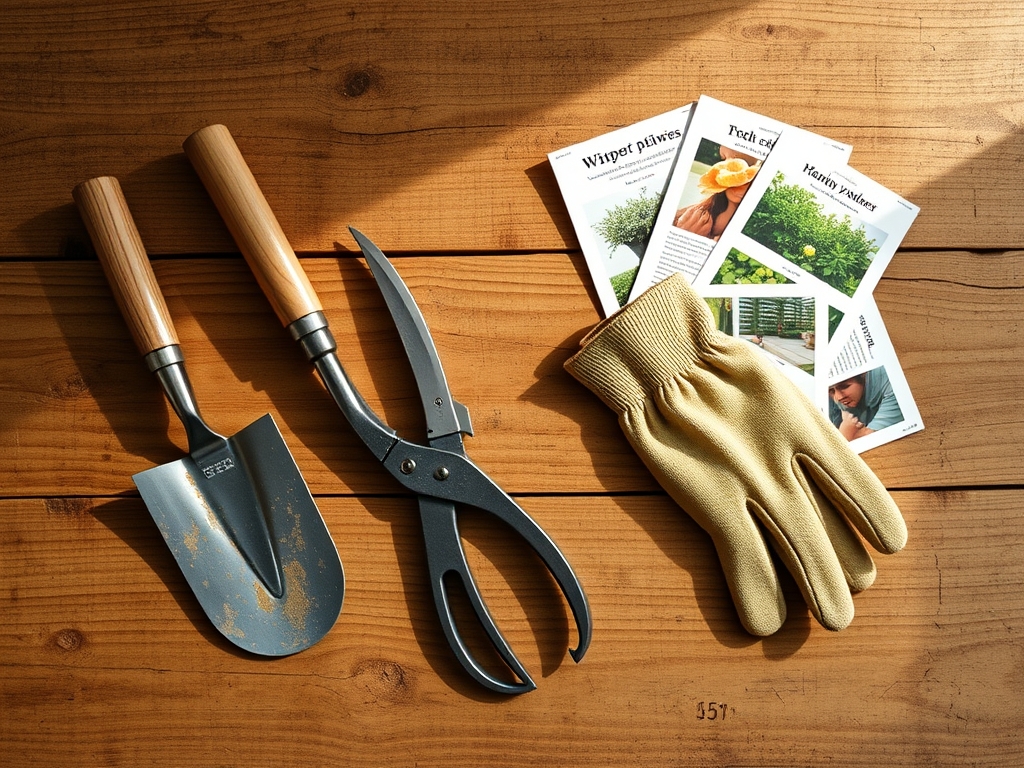
Pruning should be performed with sharp bypass pruners to ensure clean cuts that callose quickly. Use a hori-hori knife for weeding around the base to avoid damaging the shallow feeder roots. For structural integrity, remove any "included bark" or co-dominant leaders that create weak crotches in the tree architecture. Always prune back to a lateral bud or branch collar to facilitate proper compartmentalization of the wound.
The Yield:
When harvesting flowers or foliage from specimens like Hydrangea paniculata or Magnolia, timing is critical for longevity. Cut stems in the early morning when turgor pressure is at its highest.
Immediately plunge the stems into 110-degree Fahrenheit water containing a floral preservative (sugar and a pH acidifier). This heat helps break air bubbles in the xylem, a process known as re-establishing capillarity. For woody stems, a vertical slit of 1 inch at the base increases the surface area for water uptake. Store the cuttings in a cool, dark environment for two hours before arranging to ensure maximum vase life.
FAQ:
What is the best soil for specimen plants?
A well-draining friable loam with a pH tailored to the species is ideal. High organic matter content ensures a high Cation Exchange Capacity, allowing for efficient nutrient delivery to the rhizosphere.
How often should I water new garden designs?
New installations require approximately 1.5 inches of water per week. Use a soil moisture meter to ensure the root zone stays hydrated without becoming anaerobic. Adjust for rainfall and local evaporation rates.
When is the best time to prune specimen trees?
Most specimens should be pruned during late winter dormancy. This prevents sap loss and reduces the risk of pathogen entry. Avoid pruning in late summer, as this can stimulate new growth that will not harden before frost.
Why are my plant leaves turning yellow?
Yellowing, or chlorosis, usually indicates a nutrient deficiency or pH imbalance. Interveinal chlorosis suggests a lack of iron or manganese, while total leaf yellowing often points to a nitrogen deficiency or overwatering.
How do I prevent transplant shock?
Minimize root disturbance and maintain the root flare at soil level. Use mycorrhizal inoculants and provide consistent irrigation during the first two growing seasons to support the plant as it establishes its vascular network.