9 Tips to Use a Garden Rake for Landscape Prep
The steel tines of a garden rake sink into cold spring soil with a scraping sound that signals the start of transformation. Each pass levels aggregate clumps, redistributes organic matter, and creates the fine tilth necessary for germination and root establishment. Using a rake for garden design is not merely about smoothing surfaces. It is a precision tool for grade manipulation, seedbed preparation, and the physical redistribution of amendments that influence cation exchange capacity and water infiltration rates across the planting zone.
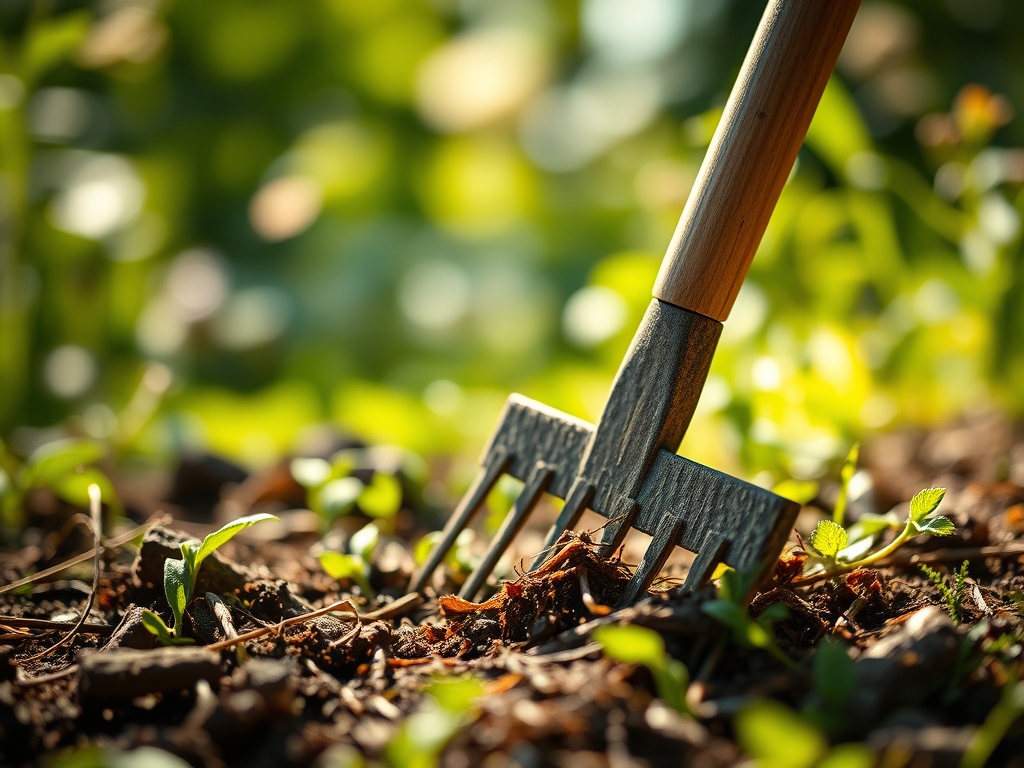
A bow rake with 14 to 16 tines spaced 1 inch apart breaks up clay aggregates without pulverizing soil structure. A leaf rake with flexible plastic or bamboo tines spreads mulch without disturbing established root zones. Both tools shape microtopography and control where water pools or drains.
Materials
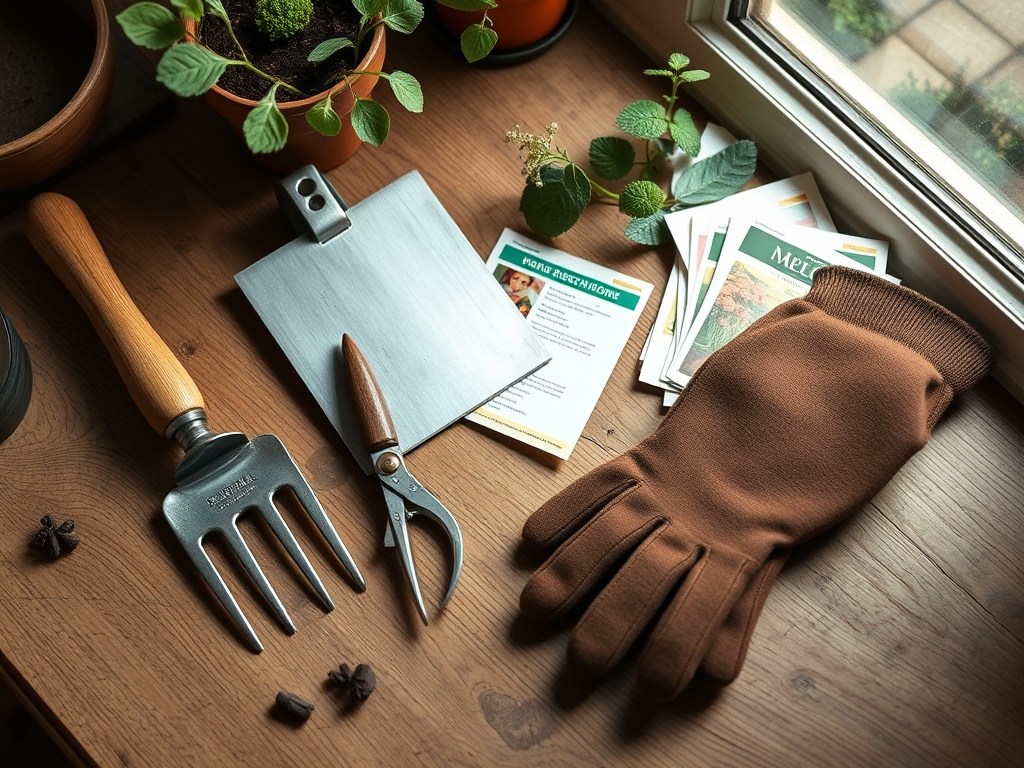
Select amendments based on soil test results. For acid-loving species in pH 5.5 to 6.2 ranges, incorporate sulfur-coated urea or pine bark fines at 2 cubic yards per 100 square feet. For neutral beds at pH 6.5 to 7.0, apply a balanced 4-4-4 organic meal derived from feather meal, bone meal, and greensand at 3 pounds per 100 square feet.
Compost aged 12 months or longer provides stable organic matter without volatilizing nitrogen. Target a C:N ratio below 25:1 to avoid microbial nitrogen immobilization during the growing season. Coarse sand with particle size between 0.5 and 2.0 millimeters improves drainage in clay loam without compromising water-holding capacity.
A steel bow rake with a 60-inch hardwood handle offers leverage for grading slopes and breaking hardpan layers at 6 to 8 inches deep. A flexible leaf rake handles surface dressing and final leveling after broadcasting seed or transplanting plugs.
Timing
Match raking operations to hardiness zone and frost-date windows. In Zones 5 and 6, prepare beds when soil temperature at 4 inches reaches 50°F, typically 3 to 4 weeks before the last spring frost. In Zones 7 and 8, begin preparation in late February when soil moisture drops below field capacity but before the spring flush of weed germination.
Fall preparation in Zones 4 through 6 should occur 6 weeks before first frost to allow organic matter to integrate without stimulating late-season weed emergence. Rake amendments into the top 3 inches during this window to position nutrients where spring root growth will access them first.
Phases

Sowing Phase
Broadcast amendments evenly across the bed surface. Rake in a crosshatch pattern, first north to south, then east to west. Each pass should penetrate 2 to 3 inches to integrate fertilizer granules and compost into the rooting zone without burying them below the active layer where auxin distribution drives initial root hair formation.
For fine seed such as lettuce or carrot, create a smooth, clod-free surface. Rake with light pressure, using only the weight of the tool. Firm the bed with the back of the rake to ensure seed-to-soil contact and capillary water movement to the seed coat.
Pro-Tip: Inoculate compost with Rhizophagus irregularis spores at 1 gram per cubic foot before raking to establish mycorrhizal fungi in the root zone before transplanting.
Transplanting Phase
Grade beds to a 1 to 2 percent slope for gravity-fed drainage. Use a 4-foot level and rake to adjust elevation in 0.25-inch increments. Remove stones larger than 0.5 inches that could impede root penetration or create air pockets around transplant plugs.
After setting transplants, rake mulch around stems in a 3-inch layer, keeping material 2 inches away from the crown to prevent moisture accumulation and fungal infection.
Pro-Tip: Rake planting rows on east-west axes to maximize south-facing exposure and soil warming in early spring. This orientation accelerates root establishment by 15 to 20 percent in Zones 5 and 6.
Establishing Phase
Rake granular fertilizer into the drip line at 4 to 6 inches from stems 3 weeks after transplanting. Use a hand rake to scratch amendments into the top 1 inch without severing feeder roots. This technique positions nitrogen where root elongation is most active without leaching past the root zone during irrigation.
Rake pathways to maintain a 0.5-inch depression relative to planting beds. This creates a channel for overflow during heavy rainfall and prevents waterlogging in the root zone.
Pro-Tip: Rake compost tea-soaked straw into the soil surface at 0.25 inches deep to introduce aerobic decomposers that accelerate nutrient cycling.
Troubleshooting
Symptom: Soil crusting after irrigation, preventing seedling emergence.
Solution: Rake surface lightly to break crust without disturbing seeds. Apply 0.125 inches of compost and re-rake to maintain porosity.
Symptom: Standing water in low spots 24 hours after rain.
Solution: Rake soil from high areas into depressions. Adjust grade to minimum 1 percent slope. Install a French drain if raking alone cannot achieve drainage.
Symptom: Uneven germination patterns across the seedbed.
Solution: Rake reveals uneven seed distribution. Re-broadcast at half the original rate and rake perpendicular to initial sowing direction.
Symptom: Fertilizer burn on seedling foliage.
Solution: Granules were not raked deep enough. Irrigate immediately with 0.5 inches of water to leach salts below the root zone. Rake in additional compost to buffer soil EC.
Maintenance
Rake beds every 2 weeks during the growing season to disrupt weed seedlings in the white thread stage before they establish taproots. Apply 1 inch of water per week through drip irrigation positioned 2 inches below the mulch layer. Rake additional compost into beds at 0.5 cubic feet per 100 square feet every 6 weeks to maintain organic matter at 5 percent by volume.
In fall, rake leaves into beds as a 4-inch mulch layer after first frost. This insulates roots, suppresses winter annuals, and decomposes into humus by spring.
FAQ
What rake type works best for clay soil?
A steel bow rake with 16 tines breaks clay aggregates effectively. Avoid leaf rakes, which bend without penetrating compacted layers.
How deep should I rake amendments?
Rake to 2 to 3 inches for annuals, 4 to 6 inches for perennials. Deeper incorporation buries nutrients below the active root zone.
Can I rake wet soil?
No. Raking at field capacity or above destroys soil structure and creates impermeable clods. Wait until soil crumbles when squeezed.
How do I rake around established plants?
Use a hand rake within the drip line. Work radially from the stem outward to avoid root shearing.
When should I rake mulch?
Rake mulch in late spring after soil warms to 60°F and again in fall after leaf drop. Maintain a consistent 3-inch depth year-round.