9 Best Mulch Types for Modern Garden Design
Stepping onto freshly laid mulch produces a satisfying crunch underfoot, a sensory confirmation that your beds are properly insulated against temperature swings and moisture loss. The best mulch for garden design balances aesthetic uniformity with measurable soil benefits: improved cation exchange capacity, steady nitrogen release, and enhanced microbial activity that transforms your planting zones into self-regulating ecosystems.
Materials
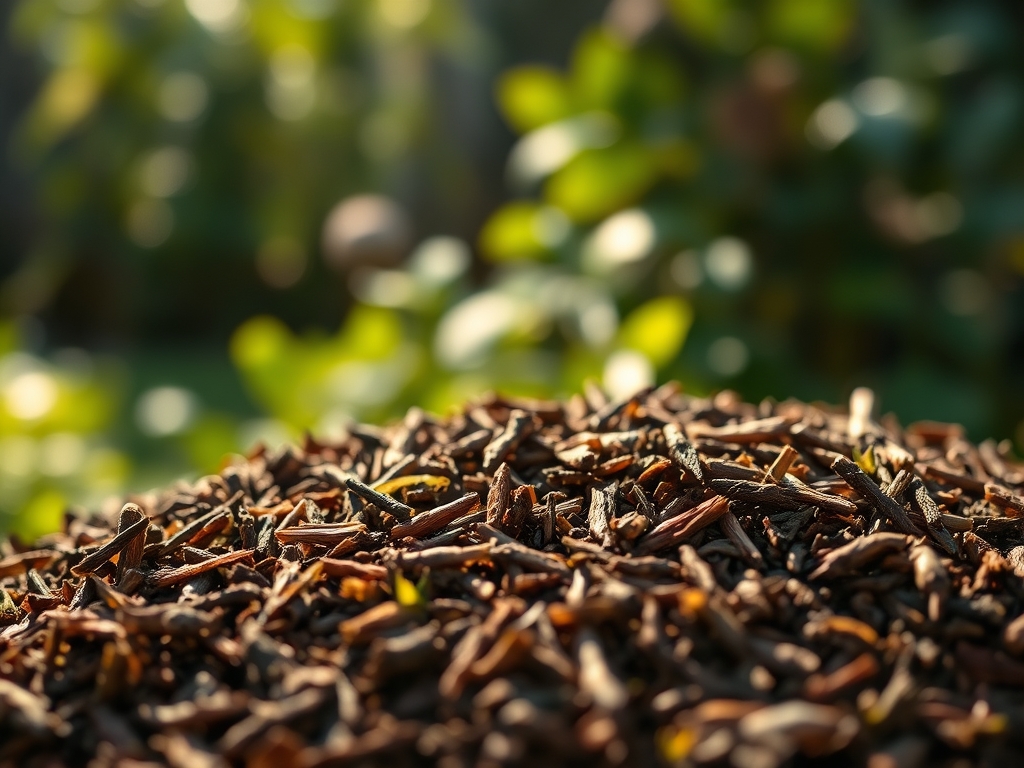
Shredded Hardwood Bark (pH 6.0-6.5): Decomposes slowly over 18-24 months. As it breaks down, releases approximately 0.5-1-0.2 NPK. Lignin content suppresses weed germination through allelopathic compounds. Apply 3-4 inches deep for optimal weed suppression and soil temperature modulation.
Pine Needle Mulch (pH 3.5-4.5): Ideal for acid-loving ornamentals such as azaleas, rhododendrons, and blueberries. Minimal NPK contribution during first year (0.1-0.05-0.1). Long needles interlock to resist wind displacement and allow excellent air circulation to soil surface.
Cocoa Hull Mulch (pH 5.8-6.2): Provides 2.5-1-3 NPK as it decomposes. Rich chocolate aroma lasts 2-3 weeks post-application. Contains theobromine, which is toxic to dogs. Reserve for inaccessible beds or properties without pets. Apply 1-2 inches only, as deeper layers mat and repel water.
Shredded Leaves (pH 6.0-6.5): Free resource that contributes 0.5-0.3-0.4 NPK. Oak leaves lower pH slightly due to tannic acid content. Shred before application to prevent matting. Decomposition rate increases mycorrhizal fungi colonization by 40% within one growing season.
Compost Mulch (pH 6.5-7.5): Fully composted material offering 1-1-1 NPK immediately available. Apply 2 inches around perennials and shrubs. High microbial activity accelerates nutrient cycling. Reapply every 8-10 weeks during active growing season.
Cedar Bark (pH 6.0-7.0): Natural oils provide pest resistance against termites and certain beetle species. Decomposes slowly with minimal NPK release (0.2-0.1-0.1). Light color reflects heat, making it suitable for heat-sensitive plantings in Zones 8-10.
Straw Mulch (pH 6.5-7.0): Agricultural byproduct with 0.7-0.2-1.2 NPK. Use weed-seed-free certified straw only. Excellent for vegetable gardens and annual beds. Breaks down rapidly in 4-6 months, requiring mid-season replacement.
Rubber Mulch (pH Neutral): Recycled tire product providing zero nutritional value. Lasts 10+ years without decomposition. Contains zinc and other heavy metals that leach minimally. Best used in play areas or high-traffic pathways, not root zones of edible crops.
Gravel and Stone (pH 7.0-8.5): Inorganic option for xeriscape and Mediterranean designs. No NPK contribution. Increases soil temperature by 5-8 degrees F due to heat absorption. Pair with drought-adapted species in Zones 7-11.
Timing
In Zones 3-5, apply mulch after soil temperatures reach 60°F, typically late May through early June. Premature spring mulching insulates cold soil and delays root growth of warm-season perennials.
Zones 6-7 receive optimal mulch application from mid-April to early May, after final frost date but before summer heat stress begins. Fall mulching in October protects root systems through freeze-thaw cycles.
Zones 8-11 benefit from year-round mulch maintenance. Apply fresh layers in March and September to coincide with bimodal rainfall patterns. Avoid heavy mulching during December-February when certain natives enter dormancy and require soil cooling.
Phases
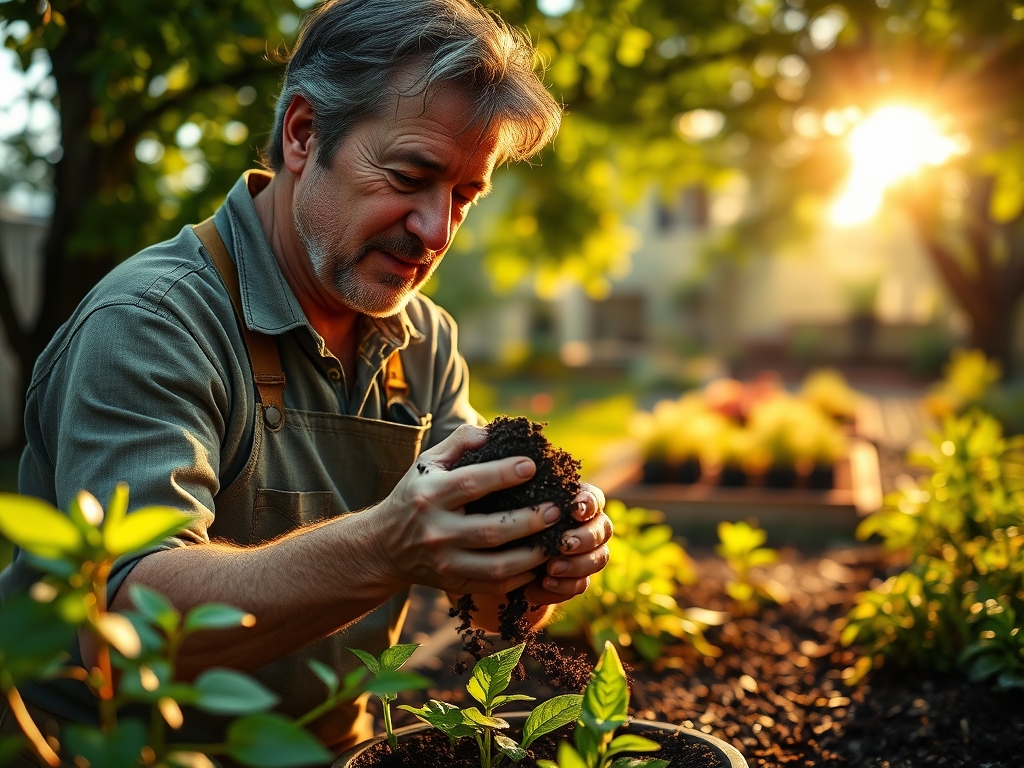
Bed Preparation: Remove existing weeds and debris to bare soil. Test soil pH and adjust before mulch application. Install edging to contain organic mulches. Create 2-inch mulch-free zone around tree trunks and shrub crowns to prevent collar rot.
Pro-Tip: Inoculate soil with mycorrhizal fungi granules at 1 teaspoon per square foot before mulching. Direct contact between fungi and roots increases phosphorus uptake by 60%.
Initial Application: Spread mulch to manufacturer-recommended depth using wheelbarrow and rake. Hardwood products require 3-4 inches. Fine-textured materials like cocoa hulls need only 1-2 inches. Slope mulch away from plant crowns at 3-degree angle to shed water.
Pro-Tip: Water mulch immediately after spreading to initiate microbial colonization and settle particles. Apply 0.5 inches of water using oscillating sprinkler over 30-minute period.
Seasonal Replenishment: Inspect mulch depth monthly. Organic mulches compact and decompose, losing 30-40% volume annually. Add supplemental layers when depth falls below 2 inches. Fluff existing mulch with garden fork to restore porosity and prevent anaerobic conditions.
Pro-Tip: Mix slow-release granular fertilizer (5-10-5) into top inch of decomposing mulch at 2 pounds per 100 square feet each spring. This compensates for nitrogen immobilization during decomposition.
Troubleshooting
Symptom: Sour odor and gray slime on mulch surface.
Solution: Anaerobic decomposition from excessive depth or poor drainage. Remove mulch to 2-inch depth. Turn remaining material weekly for 3 weeks to restore aerobic conditions. Improve drainage with French drains or raised bed conversion.
Symptom: Fungal fruiting bodies (mushrooms) emerging from mulch.
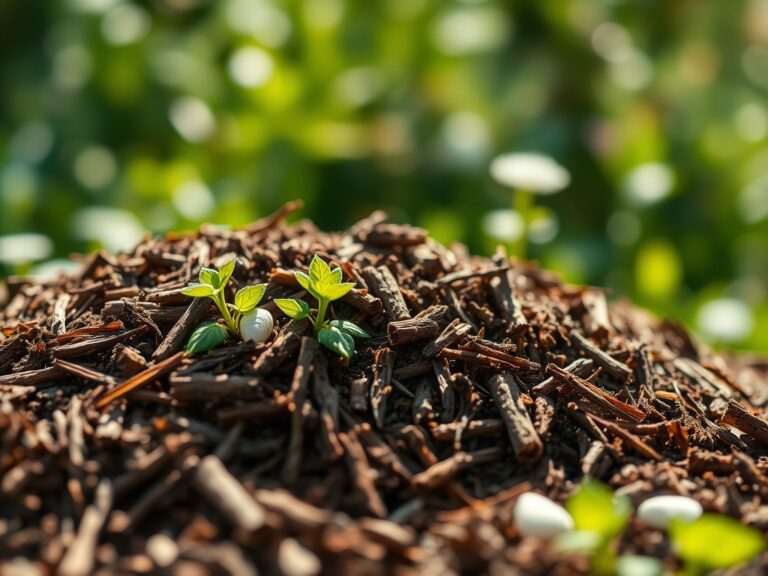
Solution: Natural decomposition process. Non-pathogenic saprophytic fungi break down lignin. Remove fruiting bodies before spore release if aesthetics concern. Fungi improve soil structure through hyphal networks.
Symptom: Artillery fungus (black tar spots) on adjacent structures.
Solution: Occurs in excessively wet hardwood mulch. Replace affected mulch with cedar or pine alternatives. Increase air circulation by thinning overcrowded plantings. Artillery fungus spores travel 20 feet and adhere permanently to siding.
Symptom: Plant yellowing (chlorosis) after mulch application.
Solution: Nitrogen immobilization as microbes consume available N during carbon-rich mulch decomposition. Top-dress with blood meal (12-0-0) at 1 pound per 50 square feet. Water in thoroughly. Symptoms resolve in 2-3 weeks.
Symptom: Mulch migrating into lawn areas.
Solution: Install metal or poly edging to 4-inch depth. Create physical barrier between mulched beds and turf. Maintain 1-inch height difference with mulch lower than lawn level.
Maintenance
Replenish organic mulches to maintain 3-inch depth. Hardwood bark requires annual topdressing of 1-2 inches. Pine needles and leaves need complete replacement every 12-18 months.
Water deeply to 6-inch soil depth weekly during establishment. Mulch reduces watering frequency by 50% once plants establish deep roots. Monitor soil moisture at 3-inch depth using probe or finger test.
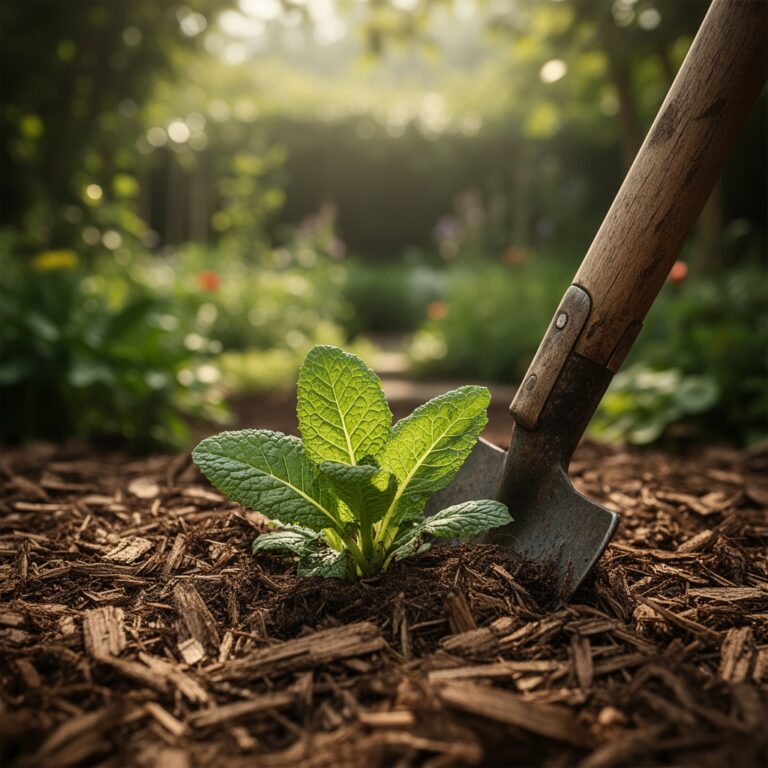
Edge beds every 6 weeks during growing season. Sharp boundaries prevent mulch creep and maintain clean design lines. Use half-moon edger or flat spade to recut borders.
Pull weeds immediately upon emergence. Mulch reduces weed seed germination by 85% but does not eliminate all growth. Annual weeds extract easily from loose mulch. Perennial weeds require removal of entire root system.
FAQ
How often should I replace garden mulch?
Organic mulches decompose at different rates. Hardwood bark lasts 18-24 months. Shredded leaves and straw break down in 6-8 months. Inspect beds quarterly and replenish when depth falls below 2 inches.
Can I apply mulch directly against plant stems?
No. Maintain 2-3 inch gap around all woody stems and herbaceous crowns. Direct contact creates moisture retention that promotes collar rot, crown rot, and fungal pathogens. Slope mulch away from plant bases.
Does mulch color affect plant growth?
Light-colored mulches reflect heat and keep soil cooler, benefiting heat-sensitive species. Dark mulches absorb solar radiation, warming soil 3-5 degrees F faster in spring. Match mulch color to plant temperature preferences.
How deep should mulch layer be around trees?
Apply 2-4 inches of mulch extending to drip line. Never pile mulch against trunk in "volcano" formation. Excessive depth and trunk contact cause root girdling, bark decay, and auxin distribution disruption in cambial tissues.
Is dyed mulch safe for vegetable gardens?
Carbon-based dyes are generally safe, but some products use chromium or arsenic compounds. Request manufacturer certification for vegetable-safe dyes. Undyed natural mulches remain safest choice for edible crop production.