8 Species Steps to Prepare a Low-Light Office Desk
The fluorescent hum of an office often means a desk environment hostile to plant life: dry air cycling through HVAC ducts, surface temperatures fluctuating between 68°F and 74°F, and photosynthetically active radiation (PAR) rarely exceeding 50 µmol/m²/s. Learning how to prepare an office desk for a small plant requires acknowledging these constraints and selecting species adapted to forest understory conditions where light filtration mimics cubicle existence. A properly prepared desk incorporates drainage infrastructure, substrate with cation exchange capacity above 15 meq/100g, and species native to environments receiving less than 1000 foot-candles.
Materials
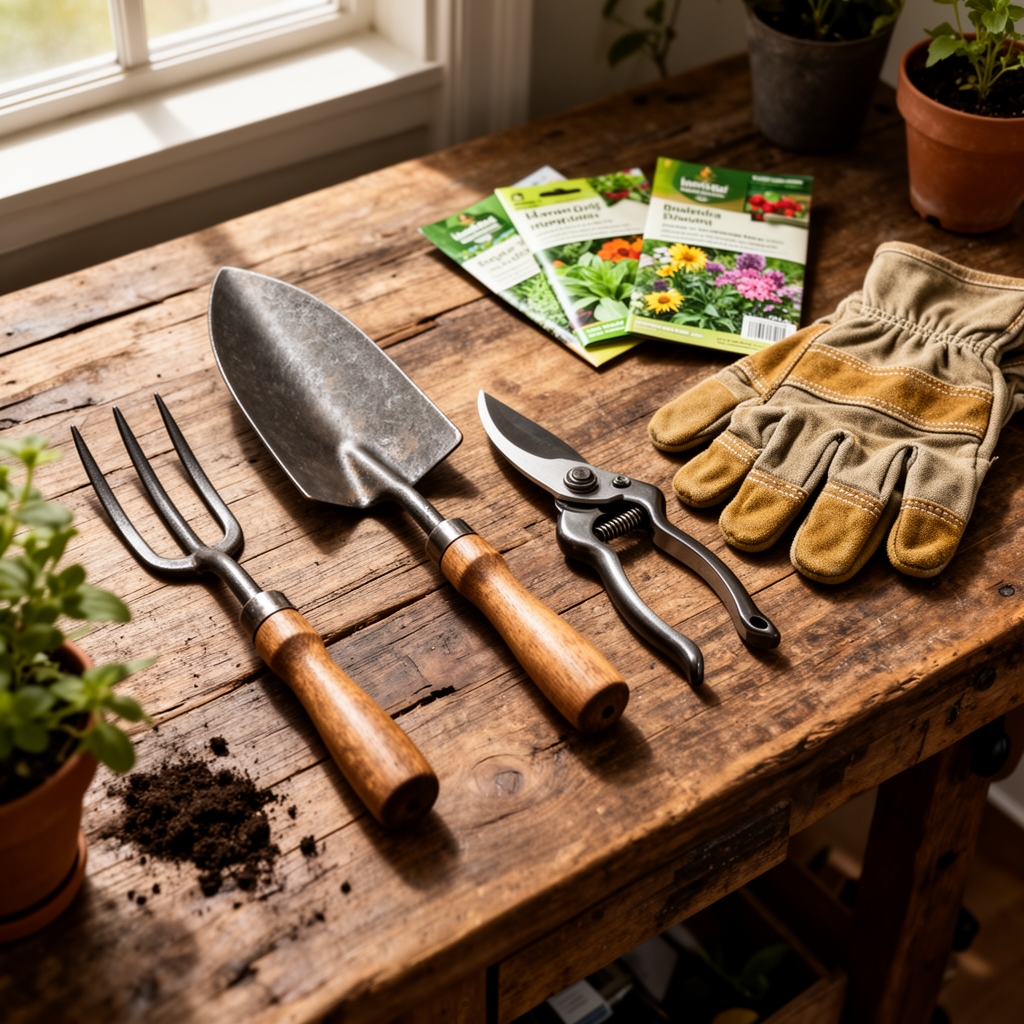
Substrate Components (pH 5.5-6.5):
Mix 40% peat moss, 30% perlite (grade 2-4mm), and 30% composted pine bark fines. Incorporate 1 tablespoon of dolomitic limestone per gallon to buffer pH and supply calcium. Add mycorrhizal fungi inoculant (Glomus intraradices) at manufacturer-specified rates to enhance phosphorus uptake in low-nutrient scenarios.
Fertilizer (NPK 3-1-2 ratio):
Liquid kelp emulsion at quarter-strength provides micronutrients without salt accumulation. Office plants require roughly 50 ppm nitrogen monthly during active growth, delivered in four weekly applications of 12.5 ppm to prevent tip burn.
Containers:
Ceramic or glazed terracotta with drainage holes, 4-6 inch diameter. Avoid cachepots without drainage unless paired with a removable nursery pot. Saucers must be emptied within 30 minutes post-irrigation to prevent anaerobic root zones.
Humidity Tools:
Pebble trays filled with 0.25 inches of water create localized humidity zones 8-12% above ambient when evaporation surface area exceeds pot footprint by 300%.
Timing
Indoor desk environments operate independently of USDA Hardiness Zones, but circadian and seasonal biology persist. Initiate desk preparation between March 15 and May 1 in northern latitudes (Zones 3-6) when increasing day length triggers auxin distribution favoring vegetative growth. Southern offices (Zones 8-10) can establish plants year-round but should avoid June through August when HVAC systems create desiccating conditions below 25% relative humidity.
Acclimation requires 14 days. Introduce plants to desk positions gradually, increasing daily exposure by 2-hour increments to prevent sudden stomatal stress.
Phases
Species Selection:
Eight candidates thrive under office PAR levels:
- Zamioculcas zamiifolia (ZZ plant): Tolerates 20 µmol/m²/s, survives on 4 oz water bi-weekly.
- Sansevieria trifasciata (Snake plant): CAM photosynthesis enables growth at 30 µmol/m²/s.
- Epipremnum aureum (Pothos): Adapts to 40-100 µmol/m²/s, trails 18 inches annually.
- Aspidistra elatior (Cast iron plant): Evolved for 15 µmol/m²/s forest floors.
- Spathiphyllum wallisii (Peace lily): Indicates water needs via leaf turgor loss at 50% substrate moisture.
- Aglaonema cultivars: Variegation stable at 50 µmol/m²/s, prefers 65-75°F.
- Dracaena fragrans 'Janet Craig': Tolerates root-bound conditions for 18 months.
- Chlorophytum comosum (Spider plant): Produces plantlets under 14-hour photoperiods from desk lamps.
Pro-Tip: Select specimens with dark green foliage. Variegated or pale cultivars evolved for higher light and will etiolate on desks positioned beyond 6 feet from windows.
Transplanting:
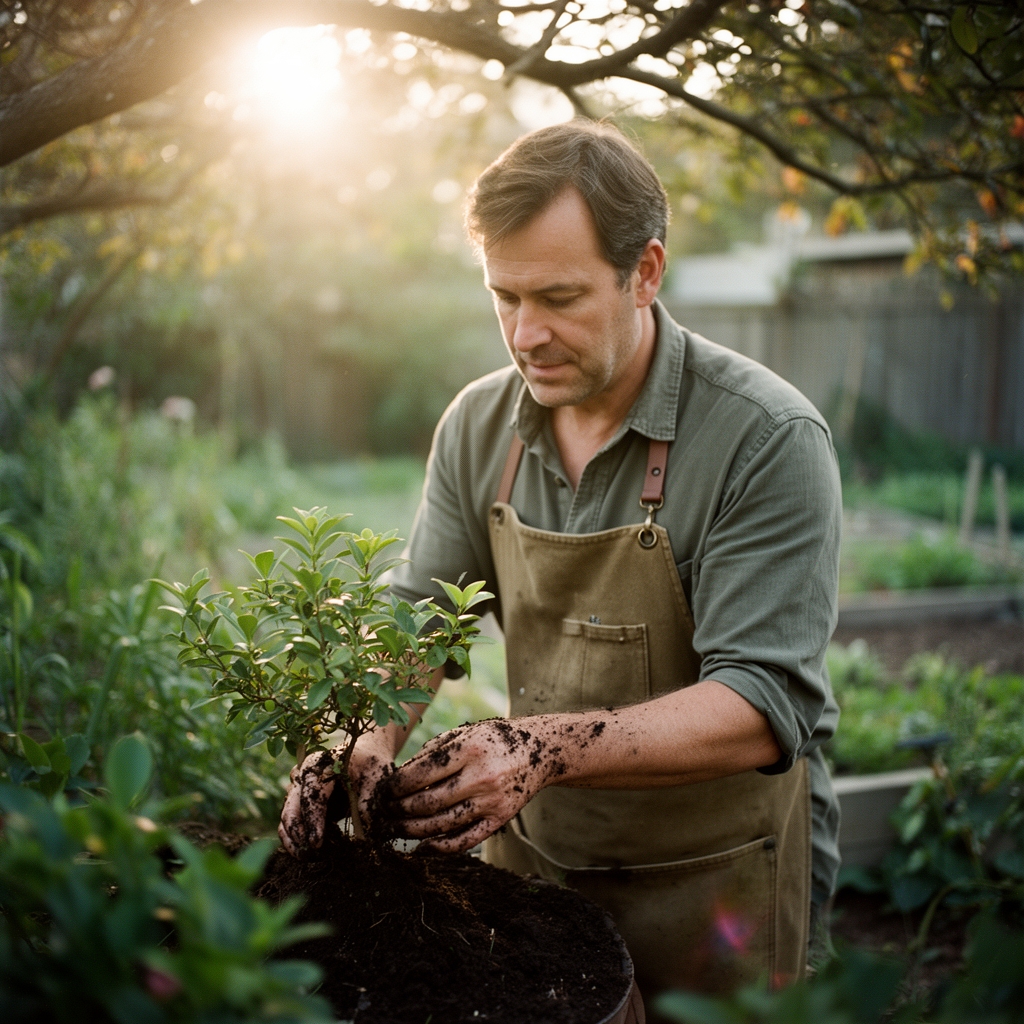
Remove nursery pot and inspect root architecture. Prune circling roots at 45-degree angles to stimulate lateral growth. Position root crown 0.5 inches below container rim. Firm substrate with 3-finger pressure to eliminate air pockets while preserving 35% porosity.
Pro-Tip: Water transplants with solution containing 100 ppm phosphorus (10-52-10 starter fertilizer) to accelerate adventitious root formation within 72 hours.
Establishing:
Monitor substrate moisture at 2-inch depth using wooden skewer test. Water when skewer emerges with fewer than 5 substrate particles adhering. Apply 8 oz water per 6-inch pot, targeting 20% leachate volume to flush accumulated salts.
Pro-Tip: Rotate containers 90 degrees weekly to prevent phototropic lean exceeding 15 degrees from vertical.
Troubleshooting
Symptom: Chlorosis beginning at leaf margins, progressing interveinal.
Solution: Magnesium deficiency common in peat-based mixes. Dissolve 1 teaspoon Epsom salt per gallon water, apply 4 oz monthly.
Symptom: Brown, crispy leaf tips despite adequate irrigation.
Solution: Fluoride toxicity from tap water or salt accumulation. Switch to distilled water or flush substrate with 3x container volume of purified water quarterly.
Symptom: Sudden leaf drop without yellowing.
Solution: Ethylene exposure from nearby fruit or malfunctioning office equipment. Relocate plant 10 feet from emission sources.
Symptom: White, cottony masses at leaf axils.
Solution: Mealybugs (Pseudococcidae). Swab with 70% isopropyl alcohol on cotton applicators weekly for three weeks.
Symptom: Soil surface develops green crust.
Solution: Algae growth from overwatering and stagnant air. Reduce irrigation by 30%, scarify top 0.25 inches of substrate.
Maintenance
Irrigate when substrate moisture content drops to 40% of field capacity. For 6-inch pots, this translates to 8 oz every 10-14 days for Zamioculcas, 6 oz weekly for Spathiphyllum.
Dust leaf surfaces monthly with damp microfiber cloth to restore gas exchange capacity reduced by particulate accumulation.
Fertilize March through September using liquid formulation at 50 ppm nitrogen. Suspend feeding October through February when respiration rates decline 40%.
Prune dead foliage at petiole base using sanitized shears (10% bleach solution). Remove no more than 20% of total leaf area per quarter to maintain photosynthetic capacity.
FAQ
Can I use grow lights at my desk?
Yes. Install 6500K LED bulbs 12-18 inches above canopy, operating 10-12 hours daily to deliver supplemental 30-50 µmol/m²/s.
How do I know if light is sufficient?
New growth matching mature leaf size indicates adequate PAR. Smaller leaves or elongated internodes signal insufficient light.
What causes white mineral deposits on pots?
Salts from fertilizer or hard water. Scrub with vinegar solution (1:3 ratio with water), then rinse thoroughly.
Should I mist leaves?
No. Misting provides humidity for only 10-15 minutes and promotes fungal pathogens. Use pebble trays instead.
When should I repot?
When roots emerge from drainage holes or growth rate declines 50% despite proper care. Most desk plants require repotting every 18-24 months into containers 2 inches larger in diameter.