8 Mixing Steps to Prepare a Meadow Vegetable Garden
Converting conventional turf into productive space requires deliberate soil restructuring and ecosystem planning. How to prepare a garden for a meadow vegetable garden begins with understanding that meadow systems prioritize perennial root networks, microbial diversity, and low-intensity cultivation over annual monocultures. The process demands eight sequential mixing steps that build soil structure while suppressing competitive grasses. Each step targets specific cation exchange capacity improvements and mycorrhizal colonization.
Materials
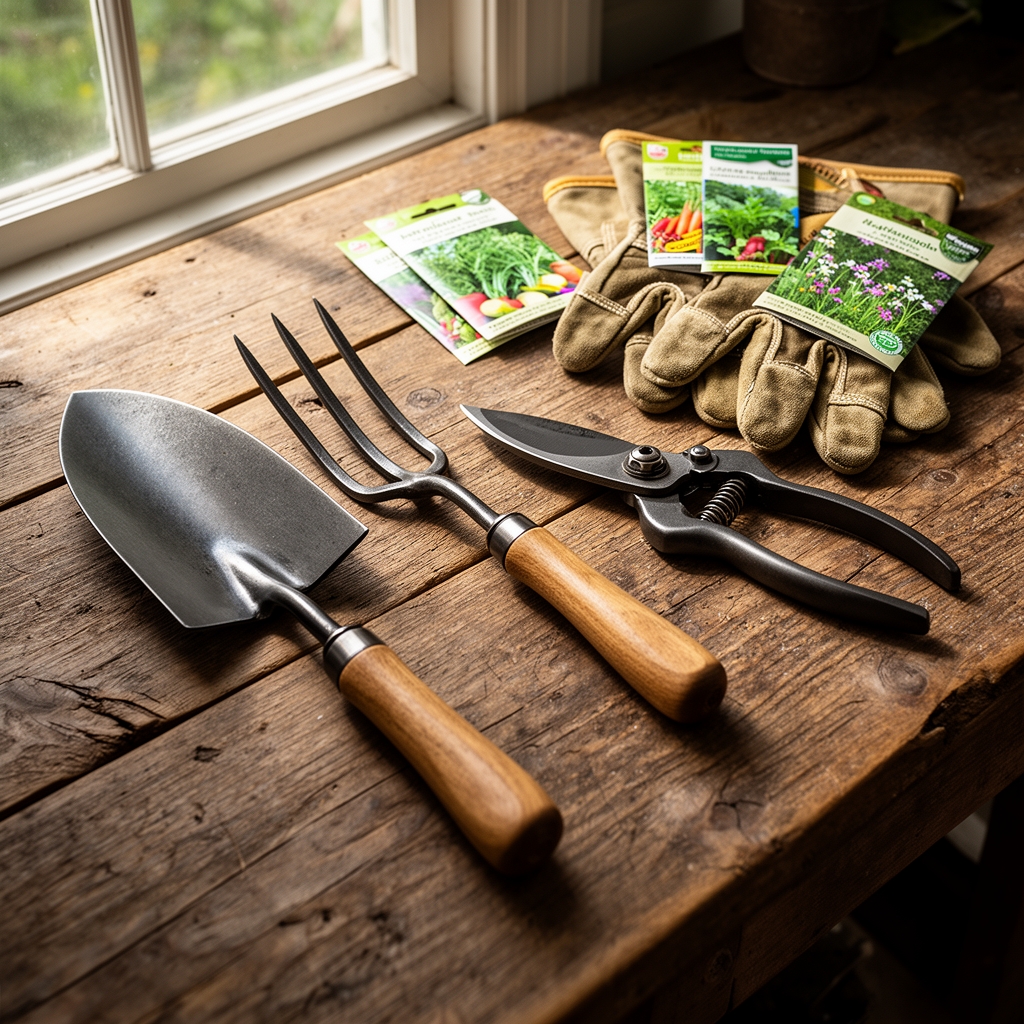
Soil amendments must match existing pH and target NPK ratios. For neutral to slightly acidic meadow substrates (pH 6.2-6.8), apply aged cattle manure at 3-4-2 NPK. Compost from municipal yard waste typically provides 1-1-1. Organic alfalfa meal delivers 3-1-2 with natural triacontanol growth stimulants. Blood meal (12-0-0) corrects nitrogen deficiencies in depleted pasture soils.
Phosphorus sources include bone meal (3-15-0) and soft rock phosphate (0-3-0) for long-term availability. Greensand (0-0-3) and kelp meal (1-0-2) supply potassium and trace minerals. Sulfur powder lowers pH by 0.5 units per pound per 10 square feet when needed. Agricultural lime raises pH at the same rate.
Biological inoculants require specific strains. Glomus intraradices and Rhizophagus irregularis colonize vegetable root systems effectively. Azospirillum and Azotobacter species fix atmospheric nitrogen in the rhizosphere. Trichoderma harzianum suppresses soil-borne pathogens during establishment.
Timing
Zone 5 gardeners must begin preparation in late August for spring planting. This allows three full freeze-thaw cycles to break down organic matter and improve aggregation. Zones 6-7 can start in mid-September. Zone 8 preparation extends into October without risk.
Spring implementation follows last frost by two weeks. Soil temperatures must reach 50°F at four-inch depth for microbial activity. Fall crops tolerate preparation six weeks before first frost. This schedule applies to cool-season brassicas and alliums that anchor meadow vegetable systems.
Phases
Sowing Phase
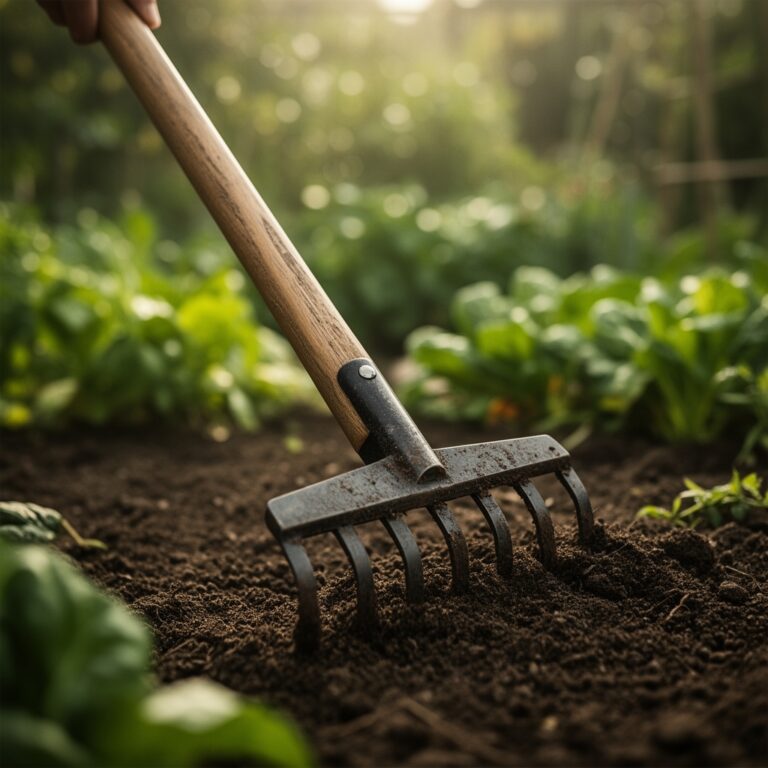
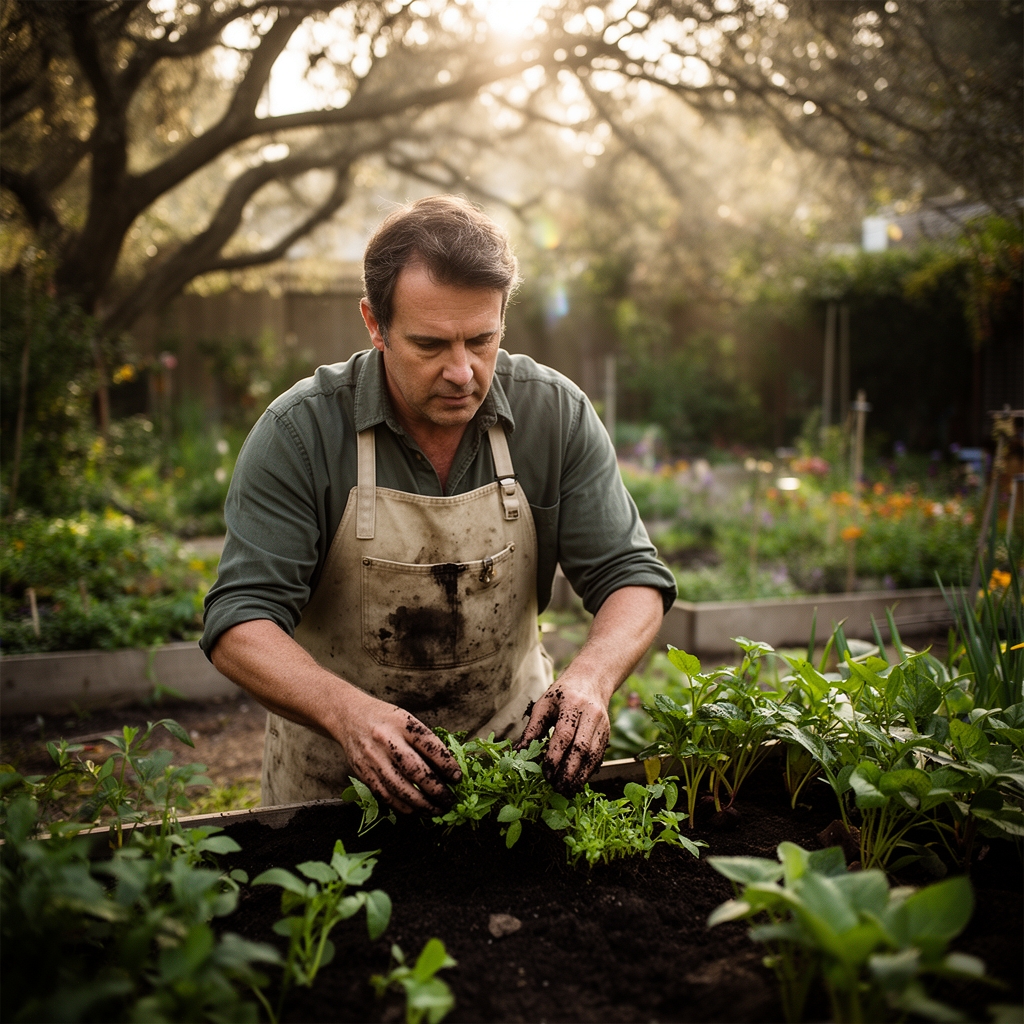
Step 1 removes existing vegetation to six-inch depth using a sod cutter. Stack removed turf grass-side-down in compost piles. Step 2 spreads 2 inches of aged manure across bare soil. Step 3 incorporates manure to 8-inch depth with a broadfork, preserving soil structure layers.
Step 4 applies mineral amendments based on soil test results. Broadcast phosphorus and potassium sources evenly. Work into the top 6 inches. Avoid burying amendments below root zones.
Pro-Tip: Add 2 pounds of powdered humic acid per 100 square feet during Step 4. Humic substances chelate micronutrients and improve water retention by 15-20% in sandy meadow soils.
Transplanting Phase
Step 5 establishes initial vegetation with a nurse crop of crimson clover or hairy vetch. Seed at 1 pound per 1,000 square feet. These legumes fix 100-150 pounds of nitrogen per acre while their roots create channels for vegetable transplants.
Step 6 introduces mycorrhizal inoculant at transplanting. Mix 1 tablespoon of spore powder per gallon of transplant water. Contact between inoculant and root tissue must occur within 72 hours of transplanting for successful colonization.
Pro-Tip: Cut back legume nurse crops to 3-inch height when vegetables reach 6 inches tall. Leave clippings as mulch. This practice maintains auxin distribution favoring vegetable growth while preserving nitrogen-fixing nodules.
Establishing Phase
Step 7 applies 1-inch layer of ramial wood chips around transplants after two weeks. Use only deciduous species chips under 1 inch diameter. These contain optimal lignin-to-cellulose ratios for fungal development.
Step 8 seeds perennial companion species between vegetable rows. White clover at 0.5 pounds per 1,000 square feet creates living mulch. Self-heal (Prunella vulgaris) and yarrow establish permanent beneficial insect habitat.
Pro-Tip: Inoculate Step 8 seeds with Rhizobium leguminosarum before broadcasting. This ensures immediate nodulation and nitrogen contribution to the developing system.
Troubleshooting
Symptom: Yellowing lower leaves with purple veining after three weeks.
Solution: Phosphorus immobilization from excessive pH. Drench with 1 tablespoon phosphoric acid per gallon water. Retest pH in 10 days.
Symptom: Stunted growth with thick, darkened leaves.
Solution: Nitrogen excess from over-application of blood meal. Leach soil with 2 inches of water. Seed annual ryegrass between rows to scavenge surplus nitrogen.
Symptom: Wilting despite adequate moisture, roots show brown lesions.
Solution: Pythium root rot from poor drainage. Cease irrigation for 5 days. Apply Trichoderma drench at 10^6 spores per milliliter.
Symptom: White powdery coating on older leaves.
Solution: Powdery mildew from dense canopy and low air circulation. Prune lower leaves. Spray 1 tablespoon baking soda plus 1 tablespoon horticultural oil per gallon weekly.
Maintenance
Apply 1 inch of water weekly during establishment months. Measure with rain gauges placed at soil level. Water in early morning to reduce foliar disease pressure.
Top-dress with 0.25-inch compost layer monthly during growing season. This supplies 0.5 pounds nitrogen per 100 square feet annually through gradual mineralization.
Cut living mulch pathways to 2-inch height every three weeks. Redistribute clippings around vegetable stems. This practice delivers 30-40 pounds nitrogen per 1,000 square feet per season.
Monitor cation exchange capacity annually. Target 10-15 meq/100g for optimal nutrient retention in meadow vegetable systems.
FAQ
How long until the meadow system becomes self-sustaining?
Three full growing seasons establish sufficient perennial root biomass and microbial populations. Nitrogen inputs drop 60% by year three.
Can I prepare smaller sections incrementally?
Yes. Prepare 100-square-foot sections on 3-week intervals. This staggers harvest periods and reduces initial labor demands.
What vegetables perform best in meadow systems?
Brassicas, alliums, and determinate tomatoes thrive. Avoid crops requiring bare-soil cultivation like carrots or potatoes.
How does this method affect water requirements?
Established meadow gardens use 40% less irrigation than conventional beds due to living mulch and improved soil structure.
Should I till between seasons?
Never. Tillage destroys fungal networks and releases sequestered carbon. Use broadforks for targeted soil opening only.