6 Precise Steps: Using a Garden Rake for Vegetable Soil Leveling
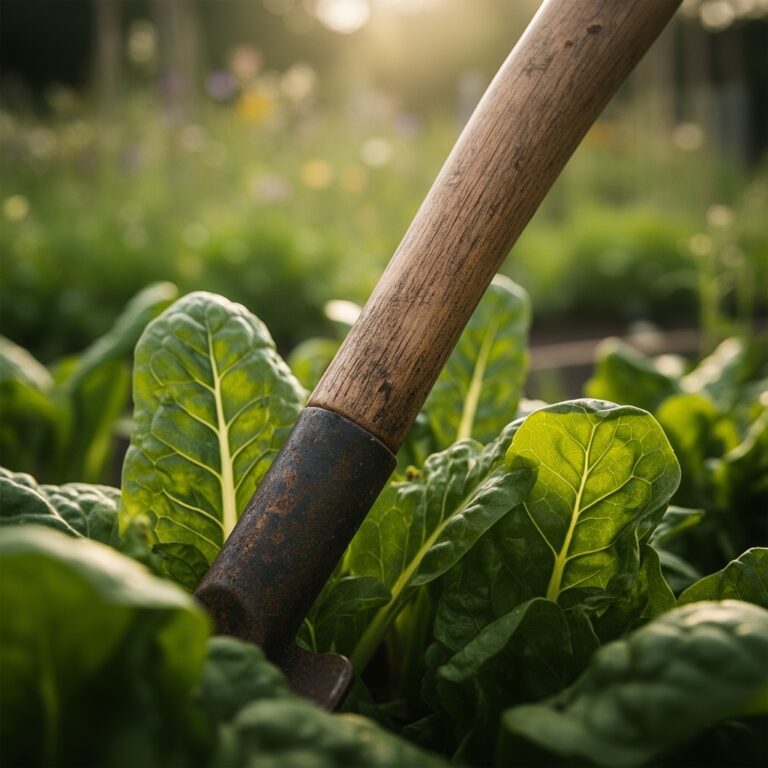
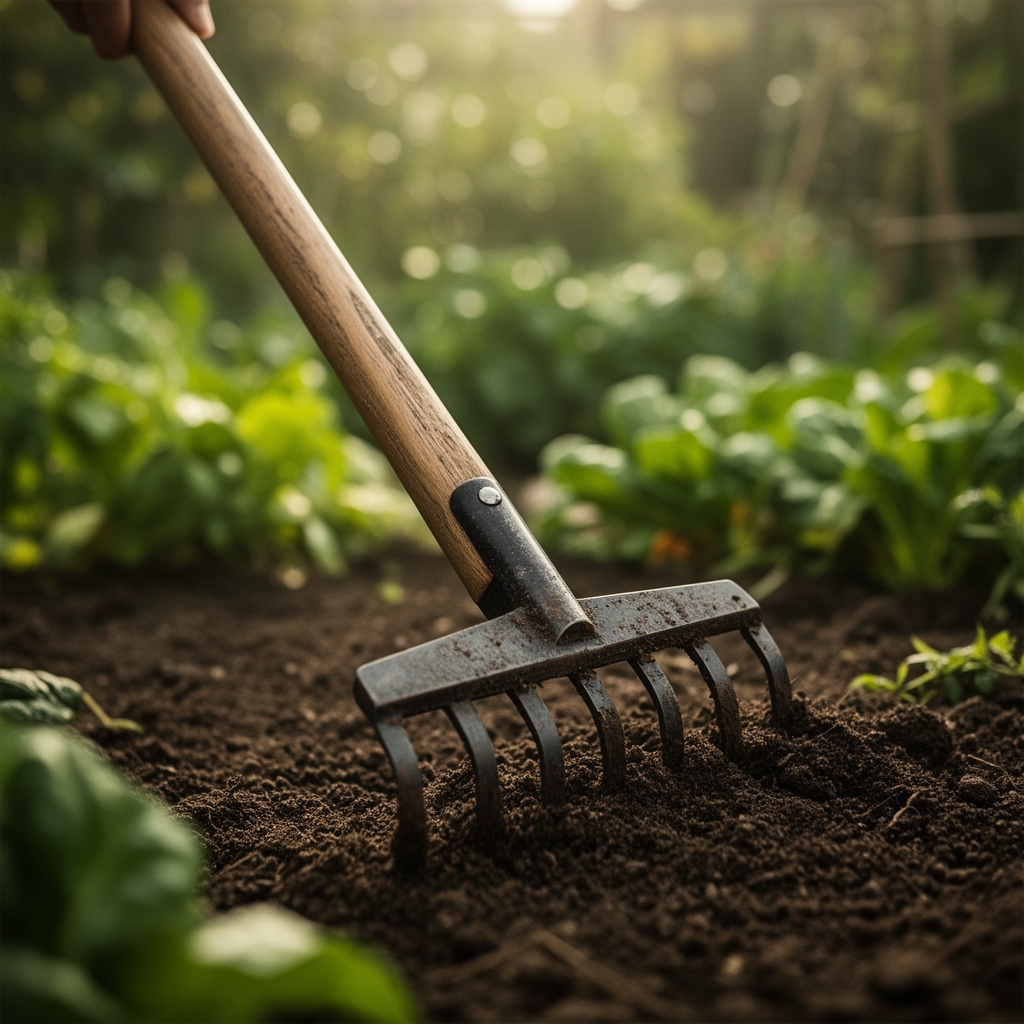
The garden rake sits idle in most tool sheds eleven months of the year, yet it remains the most critical instrument for establishing proper drainage gradients and eliminating air pockets before vegetable seeding. Using a garden rake for vegetable soil leveling transforms compacted, uneven ground into a uniform planting bed that promotes consistent germination rates and prevents waterlogging at row ends. The difference between a 68% germination rate and a 94% rate often comes down to the precision of the final rake pass.
Materials
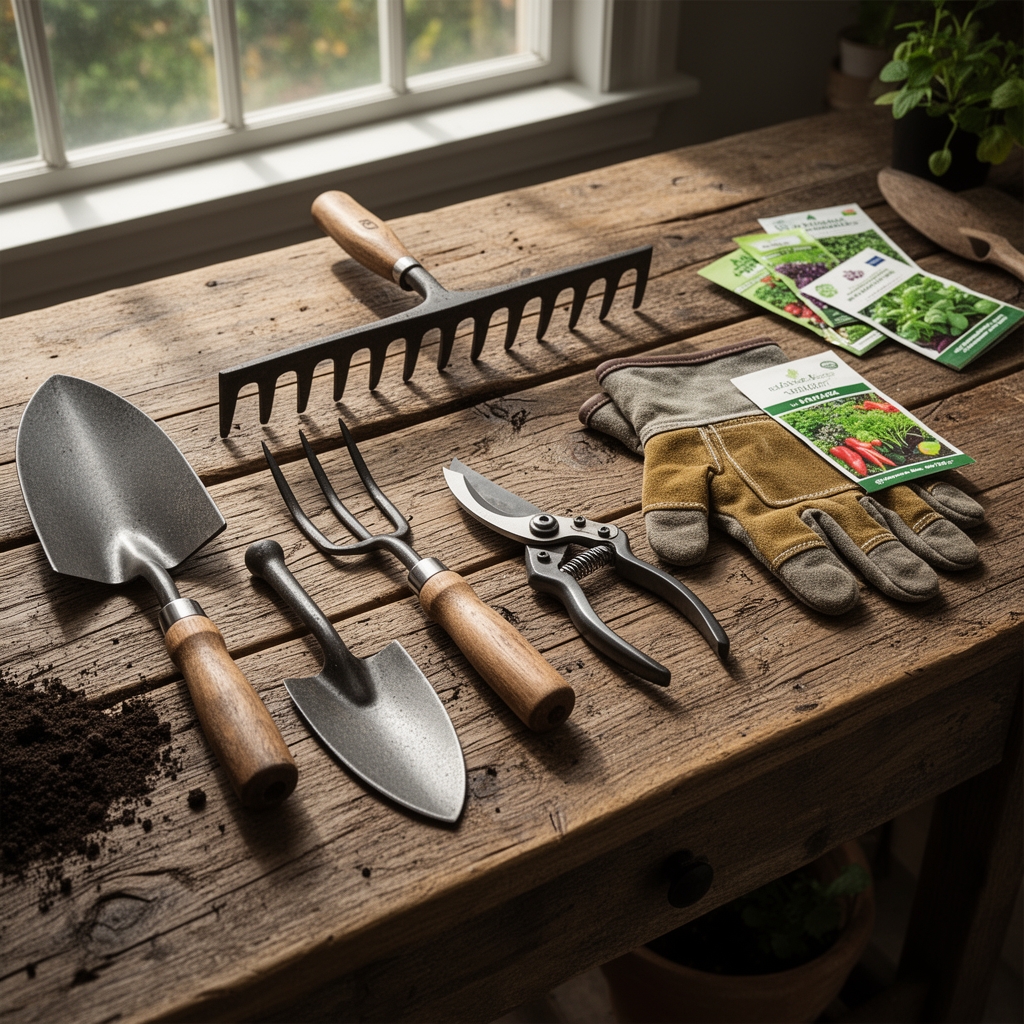
Select a bow rake with 14 to 16 steel tines spaced 1 inch apart. Aluminum models lack the mass required to break clods effectively. Before raking, incorporate amendments matched to your soil test results. For acidic soils (pH 5.0-6.0), apply dolomitic limestone at 50 pounds per 1,000 square feet six weeks prior. For neutral to slightly alkaline beds (pH 6.5-7.2), add sulfur at 10 pounds per 1,000 square feet.
Organic matter is essential. Spread 2-inch layers of composted cattle manure (approximately 0.5-0.5-0.5 NPK) or apply a balanced organic meal such as 4-4-4 feather-blood-bone blend at 25 pounds per 1,000 square feet. For phosphorus-deficient soils, rock phosphate (0-3-0) applied at 15 pounds per 1,000 square feet corrects deficiencies over two growing seasons. Greensand (0-0-3) supplies potassium and improves cation exchange capacity in sandy profiles.
A 4-foot aluminum level ensures accurate grading. Mark grade stakes every 8 feet along bed perimeters. String lines between stakes to visualize the final plane.
Timing
Rake vegetable beds when soil reaches 55-65°F at a 4-inch depth and passes the squeeze test: a handful crumbles when dropped rather than forming a sticky ball. In USDA Hardiness Zones 3-5, this window typically opens late April to mid-May, two weeks before the last frost date. Zones 6-7 allow raking from mid-March through April. Zones 8-10 offer fall and winter raking windows from October through February.
Avoid raking saturated soil. Compaction destroys aggregates and reduces pore space by up to 40%, inhibiting root penetration and oxygen diffusion. Wait 48 hours after rainfall exceeding 0.5 inches.
Phases
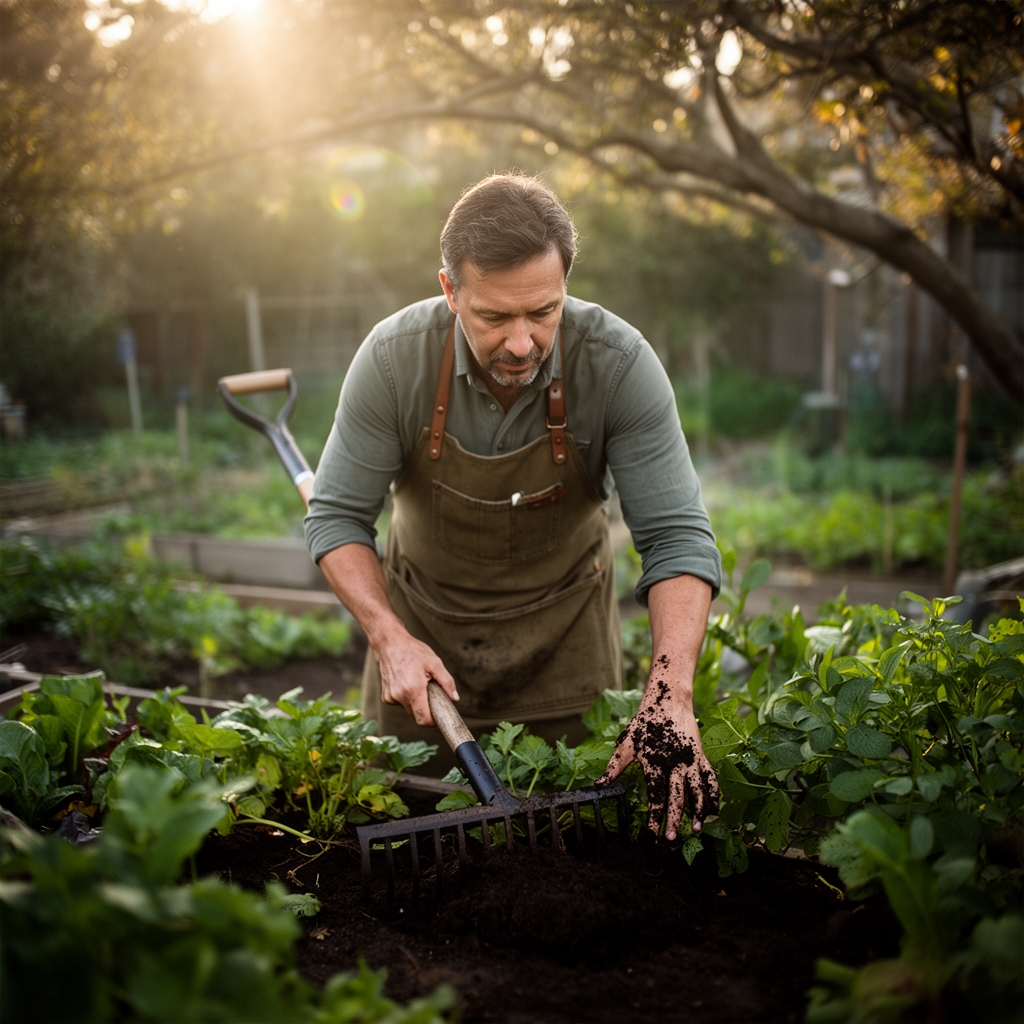
Initial Leveling Phase
Work perpendicular to the final bed orientation. Pull the rake toward your body using overlapping 3-foot strokes. Tine depth should penetrate 1.5 to 2 inches, breaking clods larger than 0.75 inches in diameter. High spots become immediately apparent when the rake skips or rides up. Redistribute excess soil to depressions by pushing with the back of the rake head.
Pro-Tip: After the first pass, roll a lawn roller (empty, weighing 60-80 pounds) over the bed. This reveals subsurface hollows that the rake alone cannot detect.
Sowing Preparation Phase
Rotate 90 degrees and make a second raking pass along the bed's length. Apply lighter pressure, allowing tine tips to penetrate only 0.75 to 1 inch. This pass creates the seedbed tilth. Particles should range from 0.125 to 0.5 inches, small enough to ensure seed-to-soil contact but large enough to prevent surface crusting.
Check grade with the 4-foot level every 6 feet. The ideal vegetable bed slopes 0.25 inches per 4 feet from center to edges, promoting lateral drainage without causing erosion. Adjust by adding or removing soil in 0.5-inch increments.
Pro-Tip: Broadcast mycorrhizal fungi inoculant (Glomus intraradices at 2 ounces per 100 square feet) immediately before the final rake pass. This incorporates spores into the top 1 inch where emerging radicles make contact within 72 hours.
Establishing Final Grade Phase
Make a third pass using only the rake's back edge, dragging it smoothly across the bed. This removes footprints, seals minor cracks, and creates a firm surface. Press the back edge down with 15-20 pounds of force. The finished bed should show faint rake lines no deeper than 0.25 inches.
Pro-Tip: For crops requiring precise depth control (carrots, lettuce, onions), create planting trenches by inverting the rake and drawing the handle end through the soil at exact depths: 0.25 inches for lettuce, 0.5 inches for carrots.
Troubleshooting
Symptom: Surface crusting after irrigation or rainfall prevents seedling emergence.
Solution: Rake produced particles too fine (silt-dominated). Add coarse sand (0.5-2 mm) at 1 cubic yard per 500 square feet and re-rake to increase particle size distribution.
Symptom: Uneven germination patterns with dry patches and waterlogged zones.
Solution: Grade is incorrect. Re-check with a 6-foot level. Adjust slope to 0.5% (0.25 inches per 4 feet). Remove 1 inch of soil from high areas and redistribute.
Symptom: Rake bounces off hardpan layer at 3-inch depth.
Solution: Compacted subsoil requires deep tillage before raking. Use a broadfork to penetrate 12 inches, then wait 48 hours before raking. Incorporate gypsum (calcium sulfate) at 40 pounds per 1,000 square feet to improve aggregate stability.
Symptom: Footprints remain visible and do not self-level.
Solution: Soil is too dry. Irrigate with 0.25 inches of water, wait 12 hours, and re-rake. Optimal moisture content is 50-60% of field capacity.
Maintenance
Inspect raked beds weekly before planting. Wind erosion can create 0.5-inch depressions in 7-10 days on exposed beds. Re-rake if deviations exceed 0.25 inches.
Apply 0.5 inches of water immediately after final raking to settle particles and reveal remaining air pockets. Wait 24 hours, then make a light corrective pass over any sunken areas.
Between seasons, store the rake vertically with tines upward. Apply linseed oil to the wooden handle biannually. Replace bent tines immediately; uneven spacing creates parallel grooves that channel water and concentrate erosion.
FAQ
How level must vegetable beds be for optimal production?
Beds should slope 0.25 to 0.5 inches per 4 feet. Perfectly flat beds accumulate water; slopes exceeding 1 inch per 4 feet cause runoff and nutrient leaching.
Can I rake soil with high clay content?
Yes, but only when moisture content reaches 40-50% of field capacity. Clay particles smear when too wet and form impenetrable clods when too dry. Add compost at 3 inches depth before raking clay soils.
Should I rake in spring or fall?
Fall raking allows freeze-thaw cycles to break remaining clods. Spring raking provides finer control over final grade but requires precise moisture timing.
What rake angle produces the finest tilth?
Hold the handle at 35-40 degrees from horizontal during seedbed passes. Lower angles (20-30 degrees) move more soil but create coarser particles.
How do I prevent soil compaction while raking?
Work from perimeter boards or kneeling planks spanning the bed width. Never walk directly on prepared soil. Each footstep increases bulk density by 12-18%.