9 Dilution Ratios to Use Water-Soluble Fertilizer
The first flush of yellowing leaf tips on a once-glossy Pothos signals nitrogen exhaustion. The crisp edges on a Monstera's newest fenestration point to potassium imbalance. Using a water-soluble fertilizer for houseplants restores these ionic deficiencies within forty-eight hours, delivering chelated micronutrients directly to root cortex cells. Water-soluble formulations bypass the slow mineralization required by granular amendments, providing immediate access to nitrogen, phosphorus, and potassium at dilution ratios calibrated to container volume and growth phase.
Materials
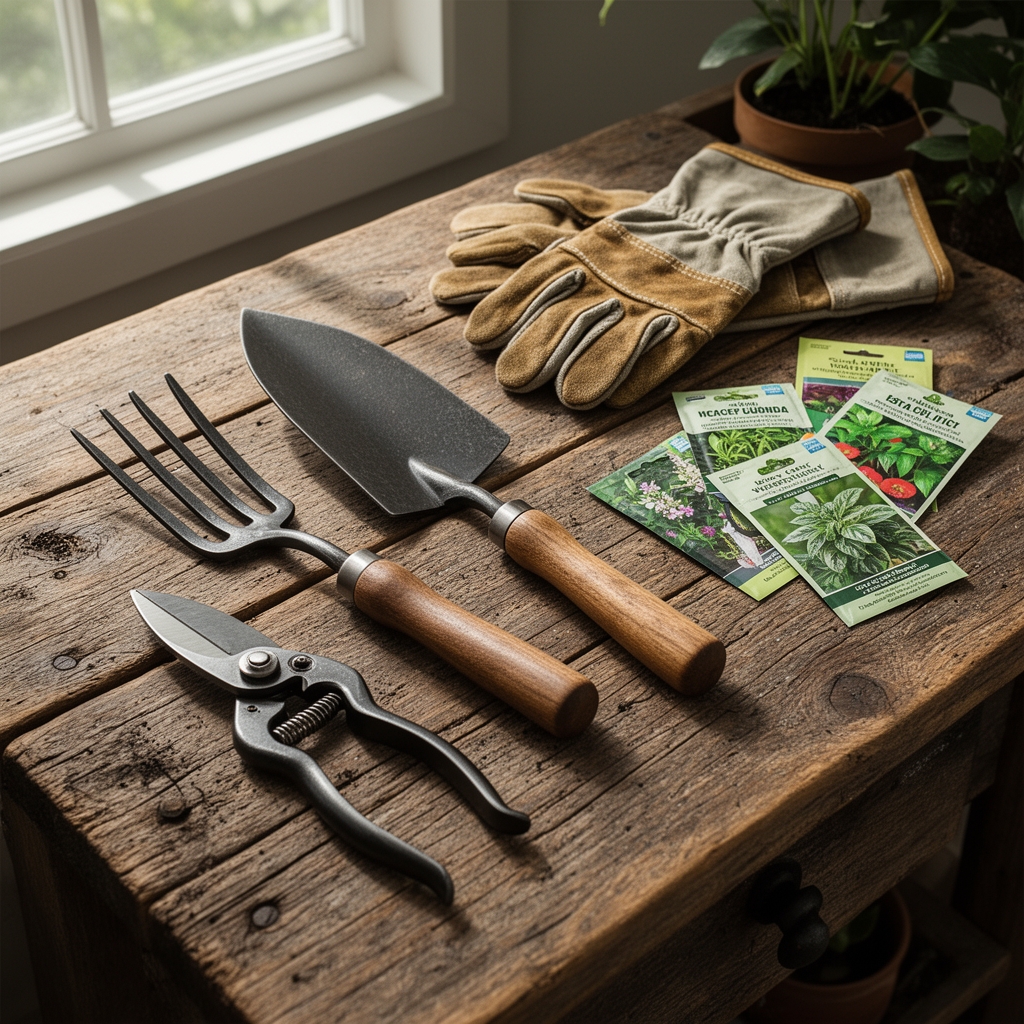
Select fertilizers based on substrate pH and targeted NPK profile. Balanced formulations like 20-20-20 synthetic blends suit general foliage growth in peat-based mixes with pH 5.5 to 6.5. High-nitrogen ratios (24-8-16) accelerate vegetative expansion in Araceae and Marantaceae families. Bloom-promoting formulations (10-30-20) trigger flower bud differentiation in Gesneriaceae and Begoniaceae when photoperiod permits.
Organic water-soluble options include 4-4-4 kelp and fish emulsions, though their lower cation exchange capacity requires more frequent applications. Formulations with chelated iron (FeEDTA) address chlorosis in acid-loving species like Gardenia jasminoides. Calcium nitrate solutions (15.5-0-0 + 19% Ca) prevent blossom-end rot analogs in fruiting indoor specimens. Verify electrical conductivity below 2.0 mS/cm post-dilution to avoid root burn in sensitive epiphytes.
Timing
Hardiness zones govern outdoor fertilization windows, but controlled indoor environments permit year-round feeding with seasonal adjustments. From March through September, active growth phases demand biweekly applications. October through February, reduce frequency to monthly intervals as auxin distribution slows and photosynthetic rates decline by 40 to 60 percent under shortened day length.
Initiate feeding protocols two weeks post-transplant, allowing root re-establishment before nutrient uptake intensifies. Cease applications four weeks before planned dormancy induction in species requiring winter rest, such as Oxalis triangularis or Cyclamen persicum. Resume feeding when new shoot elongation exceeds 0.5 inches per week or basal breaks emerge.
Phases

Establishment (Weeks 1-4): Dilute standard concentration to one-quarter strength (0.25x). Apply 4 ounces per 6-inch pot every fourteen days. This gentle introduction prevents osmotic shock in freshly disturbed root hairs while encouraging mycorrhizal fungi colonization in organic substrates. Pro-Tip: Add 1 teaspoon of humic acid per gallon of diluted fertilizer to boost cation exchange capacity and increase micronutrient availability by 30 percent.
Vegetative Expansion (Weeks 5-20): Increase to half-strength (0.5x) for slow growers like Sansevieria, or full strength (1.0x) for aggressive feeders including Philodendron and Ficus. Deliver 6 to 8 ounces per 6-inch container weekly during peak growth. Monitor leaf color: deep green indicates sufficient nitrogen; pale yellow suggests deficiency. Pro-Tip: Rotate pots 90 degrees during each feeding to equalize light exposure and nutrient distribution, reducing apical dominance by 20 percent.
Reproductive Transition (Weeks 21+): Switch to bloom formulations with phosphorus content above 20 percent. Apply at full strength (1.0x) every ten days when flower spikes emerge. Reduce nitrogen to prevent excessive foliage at the expense of bud formation. Pro-Tip: Lower nighttime temperatures by 10°F for three weeks while maintaining phosphorus feeds to trigger anthocyanin production and intensify petal pigmentation in Anthurium and Spathiphyllum.
Maintenance Dilutions: Standard concentration is 1 tablespoon per gallon (15 ml per 3.8 liters) for most 20-20-20 formulations. Quarter strength equals 0.75 teaspoons per gallon. Half strength equals 1.5 teaspoons per gallon. For precision, measure electrical conductivity: seedlings tolerate 0.5 to 1.0 mS/cm, mature plants 1.5 to 2.0 mS/cm.
Nine Specific Ratios: (1) 0.125x for orchid seedlings; (2) 0.25x for newly rooted cuttings; (3) 0.5x for succulents; (4) 0.75x for ferns and aroids; (5) 1.0x for heavy feeders; (6) 1.5x for hydroponic systems; (7) 2.0x for pre-bloom flush (single application); (8) 0.1x for foliar sprays; (9) 0.5x for weakly acidic foliar feeds with pH adjusted to 6.2.
Troubleshooting
Symptom: Leaf margins brown and crispy; oldest leaves affected first. Solution: Salt accumulation from over-fertilization. Flush container with distilled water at three times pot volume. Resume feeding at half previous concentration.
Symptom: Interveinal chlorosis on new growth; veins remain green. Solution: Iron deficiency due to alkaline substrate pH. Apply chelated iron (FeEDDHA) at 1 gram per gallon. Amend mix with sulfur to lower pH to 6.0.
Symptom: Stunted growth with dark green, leathery leaves. Solution: Phosphorus toxicity locking out zinc and iron. Leach substrate thoroughly. Switch to formulation below 10 percent phosphorus content.
Symptom: Wilting despite moist substrate; root tips black. Solution: Root rot exacerbated by nutrient burn. Reduce feeding by 50 percent. Inoculate with Trichoderma harzianum at 1 gram per liter to suppress Pythium.
Maintenance
Apply 6 ounces of diluted solution per 6-inch pot, 12 ounces per 10-inch pot. Water until 10 percent drains from bottom holes, ensuring even distribution through root zone. Maintain substrate moisture between 40 and 60 percent volumetric water content between feedings. Alternate plain water irrigations with fertilizer applications to prevent salt buildup in containers lacking drainage.
Measure substrate pH monthly using slurry method: combine 1 part soil to 2 parts distilled water. Adjust to species-specific ranges using dolomitic lime (raises pH) or elemental sulfur (lowers pH). Flush containers every eight weeks with plain water to reset baseline electrical conductivity.
FAQ
How often should I use water-soluble fertilizer indoors? Every two weeks during spring and summer; monthly in fall and winter when growth slows.
Can I use water-soluble fertilizer on all houseplants? Yes, adjusting concentration by species. Cacti need 0.25x, tropical foliage 0.75x, flowering plants 1.0x.
What time of day is best? Morning, when stomata open and transpiration rates peak, maximizing nutrient uptake through 11 a.m.
Should I fertilize a dry plant? No. Water first, wait 30 minutes, then apply diluted fertilizer to prevent root burn.
How do I prevent white crust on soil? Flush monthly with distilled water. Switch to formulations with lower sodium content below 50 ppm.