9 Best Organic Mulch for Landscape Garden Beds
The scent of freshly laid mulch transforms a garden bed from bare soil into a protected, productive ecosystem. Selecting the best mulch for garden beds requires understanding decomposition rates, nutrient contribution, and moisture retention characteristics. Each organic material carries distinct pH values, carbon-to-nitrogen ratios, and effects on mycorrhizal fungi populations. The right choice depends on your plants' requirements, climate zone, and maintenance schedule.
Materials
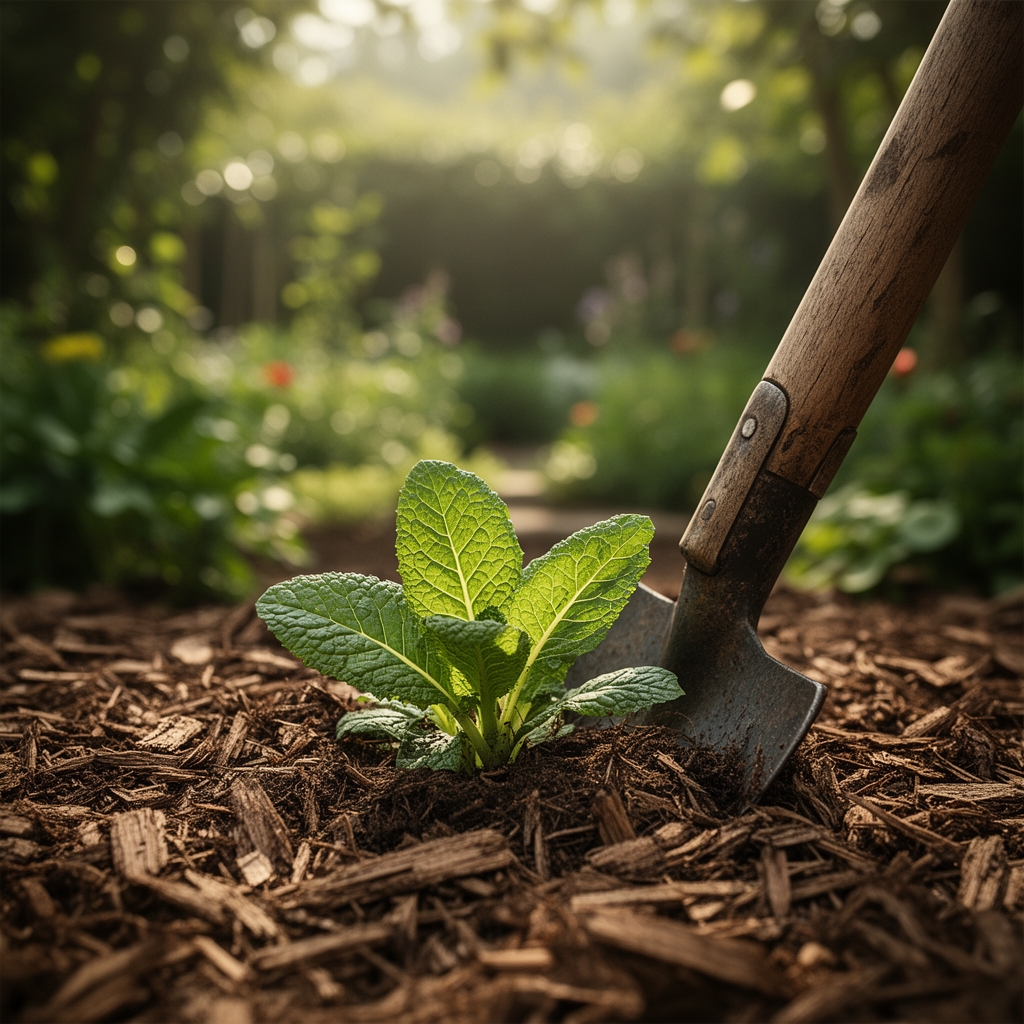
Shredded Hardwood Bark (pH 5.0-6.0, NPK approximately 0-0-0)
This mulch decomposes slowly over 24 to 36 months. Its high lignin content provides exceptional weed suppression. Hardwood bark improves cation exchange capacity as it breaks down, releasing trace minerals. Apply a 3-inch layer around established perennials and shrubs.
Pine Bark Nuggets (pH 4.5-5.5, NPK trace)
Large nuggets resist wind displacement and create air pockets that prevent soil compaction. The acidic nature benefits rhododendrons, azaleas, and blueberries. Decomposition occurs over 18 to 24 months. Smaller nuggets decompose faster but require more frequent replacement.
Shredded Leaves (pH 6.0-6.5, NPK approximately 0.5-0.2-0.4)
Deciduous leaves contribute modest nitrogen as they decompose. Oak leaves provide slightly acidic conditions. Maple and ash remain neutral. Shred leaves to prevent matting and accelerate breakdown. A 2 to 4-inch layer typically decomposes within one growing season.
Compost (pH 6.5-7.5, NPK varies 1-1-1 to 3-3-3)
Fully finished compost functions as both mulch and slow-release fertilizer. Rich microbial populations enhance nutrient cycling and disease suppression. Apply a 2-inch layer in spring. Reapply mid-season as earthworms incorporate material into the soil profile.
Straw (pH 6.0-7.0, NPK 0.5-0.2-1.2)
Wheat, oat, and barley straw provide temporary protection for vegetable gardens. The hollow stems insulate soil while allowing water penetration. Straw decomposes rapidly, typically within 4 to 6 months. Avoid hay, which contains viable weed seeds.
Pine Needles (pH 3.5-4.5, NPK trace)
Pine straw creates an interlocking mat that resists erosion on slopes. The acidic decomposition benefits acid-loving plants. Needles break down over 12 to 18 months. Their structure allows excellent air and water movement to soil beneath.
Wood Chips (pH 6.0-7.0, NPK 0-0-0)
Fresh wood chips from mixed hardwoods decompose slowly over 36 to 48 months. Fungi colonize chips rapidly, supporting mycorrhizal networks. Initial decomposition temporarily immobilizes nitrogen. Apply a 4-inch layer on pathways and around woody plants, not directly against herbaceous stems.
Cocoa Hulls (pH 5.5-6.0, NPK 2.5-1-3)
These lightweight hulls provide potassium and trace theobromine. They knit together after wetting, resisting wind displacement. The chocolate aroma dissipates within one week. Replace annually as decomposition is complete within one growing season. Warning: toxic to dogs if ingested.
Grass Clippings (pH 6.5-7.0, NPK 4-0.5-2)
Fresh clippings contribute significant nitrogen but must be applied in thin layers. A 1-inch layer prevents anaerobic decomposition and odor. Allow clippings to dry partially before application. Best used in combination with carbon-rich materials like shredded leaves.
Timing
Apply mulch in USDA Hardiness Zones 3 through 6 after soil temperatures reach 60°F, typically 2 weeks after the last frost date. Early application delays soil warming and creates habitat for slug populations. In Zones 7 through 9, apply in early spring or fall. Avoid summer application, which traps heat stress. In Zones 10 and 11, apply after the first seasonal rains when soil moisture stabilizes. Refresh mulch layers in early spring before perennials break dormancy. Fall application protects roots from winter frost heaving in northern zones.
Phases
Initial Application
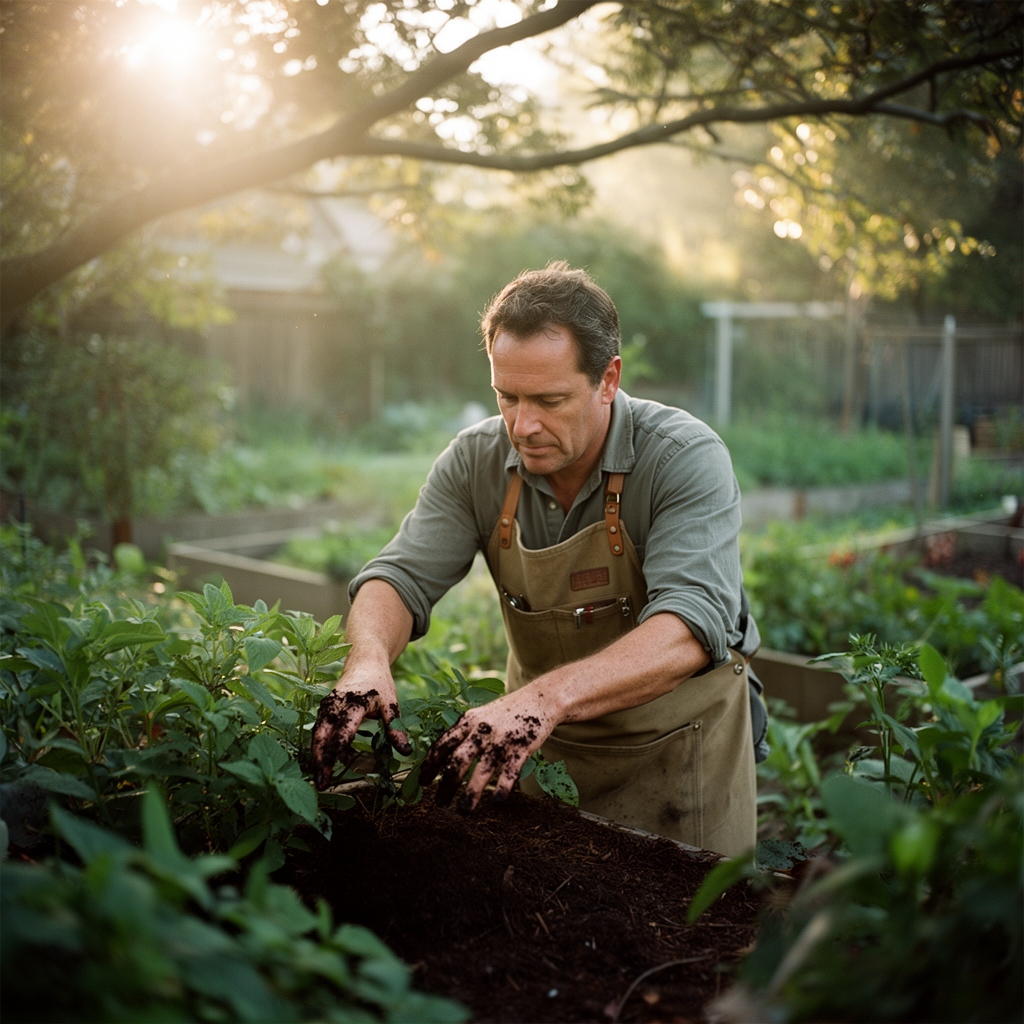
Remove existing weeds and debris. Water the bed thoroughly 24 hours before mulching. Pull mulch back 2 to 3 inches from plant crowns and tree trunks to prevent crown rot and bark disease. Create a slight depression around plants to direct water to root zones.
Pro-Tip: Inoculate the soil surface with mycorrhizal fungi powder before mulching. This establishes symbiotic networks that increase phosphorus uptake by 40 to 60 percent.
Seasonal Maintenance
Monitor mulch depth monthly. Replenish when depth falls below 2 inches. Fluff matted areas with a cultivating fork to restore porosity. Remove any fungal fruiting bodies that emerge, though their presence indicates healthy decomposition.
Pro-Tip: Apply a 1/4-inch layer of finished compost over existing mulch each spring. This introduces fresh microbial populations and provides supplemental nutrients without full mulch replacement.
Long-term Management
Partially decomposed mulch integrates into the top soil layer, improving structure and tilth. After 3 to 5 years, beds develop a rich A horizon 4 to 6 inches deep. Reduce fresh mulch applications as the soil ecosystem matures. Transition to lighter maintenance layers of 1 to 2 inches.
Pro-Tip: Test soil pH annually in mulched beds. Pine-based mulches gradually acidify soil. Apply dolomitic lime at 5 pounds per 100 square feet if pH drops below target range for your plantings.
Troubleshooting
Symptom: Sour Odor and Slimy Texture
Solution: Anaerobic decomposition from excessive depth or poor drainage. Remove mulch and allow soil to dry. Reapply in thinner layers not exceeding 3 inches. Incorporate coarse materials like wood chips to improve air circulation.
Symptom: Artillery Fungi Black Specks
Solution: Shotgun-like spore masses appear on nearby surfaces. These fungi colonize wood-based mulches in wet conditions. No chemical control exists. Replace affected mulch with pine bark or pine needles, which resist this fungus.
Symptom: Seedlings Yellowing After Mulch Application
Solution: Nitrogen immobilization from fresh wood chips. Microorganisms consume available nitrogen during cellulose decomposition. Apply blood meal at 2 pounds per 100 square feet or water with fish emulsion (5-1-1) weekly until green color returns.
Symptom: Mushroom Fruiting Bodies
Solution: Fungal decomposition is beneficial but unsightly. Remove fruiting bodies before spore release if desired. Avoid thick, constantly moist mulch layers. Fungi indicate healthy organic matter breakdown and pose no threat to plants.
Symptom: Vole Runways Under Mulch
Solution: Rodents burrow through deep mulch, damaging roots. Pull mulch 6 inches back from plant bases in fall. Set snap traps in runways. Reduce mulch depth to 2 inches in areas with high vole pressure.
Maintenance
Water newly mulched beds with 1 inch of water weekly during establishment. Check soil moisture 3 inches below the mulch surface. The soil should feel like a wrung-out sponge. Mulch reduces watering frequency by 50 percent compared to bare soil. Apply supplemental nitrogen at 0.5 pounds actual N per 1000 square feet if using wood-based mulches. Split applications into monthly doses during the growing season. Edge beds annually to prevent mulch migration into lawns. Maintain distinct borders with a half-moon edger or spade cut at a 45-degree angle. Remove weed seedlings when they reach 1 to 2 inches tall, before root systems establish through the mulch layer.
FAQ
How deep should mulch be applied?
Apply 2 to 4 inches for most organic mulches. Wood chips tolerate 4 inches. Fine materials like compost require only 2 inches. Never exceed 4 inches, which suffocates roots and creates anaerobic conditions.
Does mulch attract termites?
Cellulose-based mulches can harbor termites but do not attract colonies that were not already present. Maintain a 12-inch mulch-free zone around building foundations. Termites require soil contact to establish, not just mulch presence.
Can I use mulch from diseased trees?
Chip diseased wood only if composted at 140°F for 14 days to kill pathogens. Fresh chips from Dutch elm disease, oak wilt, or fire blight-infected trees spread disease. Use only certified heat-treated material or chips from healthy trees.
When should mulch be removed?
Never remove partially decomposed mulch unless contaminated. Organic mulch integrates into soil, improving structure. Replenish thin areas rather than replacing entire beds. Remove only if switching mulch types or addressing pest issues.
What mulch works best for vegetable gardens?
Straw, grass clippings, and compost decompose within one season, matching annual vegetable cycles. These materials contribute nutrients as they break down. Avoid wood-based mulches in vegetable beds, which tie up nitrogen needed for rapid growth.