9 Best Decorative Stones for Indoor Pot Moisture
Decorative stones transform the microclimate at the soil surface of indoor containers. They regulate moisture evaporation, stabilize substrate temperature, and prevent fungal gnats from accessing wet media. The best decorative stones for indoor pot tops balance aesthetic appeal with horticultural function, creating a barrier that slows water loss by up to 40% while allowing gas exchange necessary for root respiration. Stones with specific mineral compositions alter cation exchange capacity in the top inch of growing medium, influencing nutrient availability and pH buffering.
Materials
1. Lava Rock (Scoria)
Porosity: 65–75%. pH neutral (6.5–7.0). This volcanic vesicular basalt holds moisture in its honeycomb structure while maintaining aeration. Surface irregularities increase humidity directly above the substrate without waterlogging. NPK contribution: negligible. Ideal for tropical aroids requiring consistent moisture.
2. River Pebbles (Quartzite)
pH: 7.0. Smooth quartz-dominant stones with zero nutritive value. They create thermal mass, absorbing warmth during daylight and releasing it overnight, stabilizing root zone temperature within 2–3°F. Diameter of 0.5–1 inch optimizes coverage while permitting water penetration.
3. White Marble Chips
pH: 8.0–8.5 (alkaline). Calcium carbonate composition slowly raises substrate pH over 6–12 months. Pair only with plants tolerant of alkaline conditions (pH >7.0): succulents, cacti, and Mediterranean herbs. Reflective surface increases ambient light by 15–20%, beneficial under low-lux conditions.
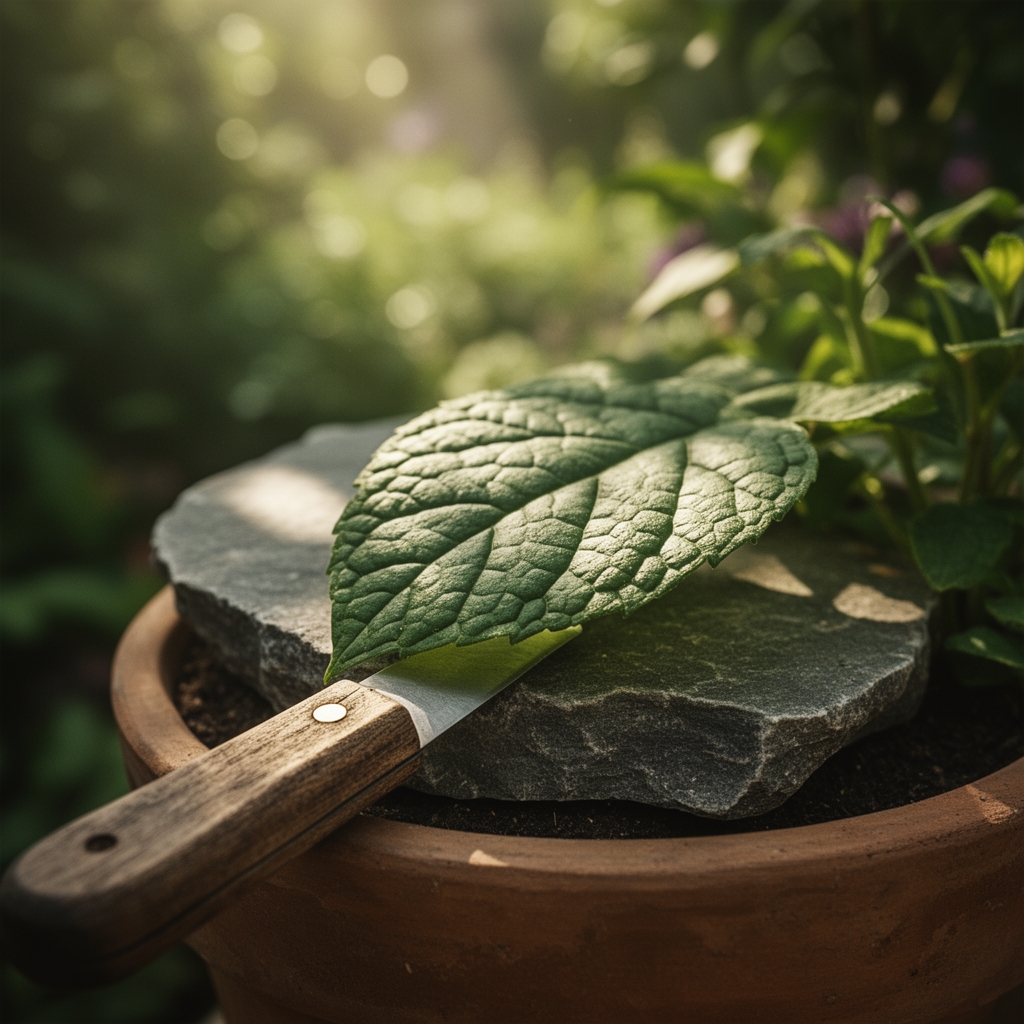
4. Slate Fragments
pH: 6.0–7.0. Metamorphic stone with flat, stacked profiles. Minimal pH drift. Excellent for shallow top-dressing (0.25–0.5 inch layer) where weight is a concern. Slate's dark pigmentation absorbs infrared radiation, warming root crowns in cool rooms (below 65°F).
5. Pea Gravel (Limestone)
pH: 7.5–8.0. Composed of calcium carbonate and magnesium carbonate. Releases trace calcium over time, supplementing container mixes deficient in this macronutrient. Apply 0.75-inch layer. Not suitable for acid-loving genera (Rhododendron, Vaccinium).
6. Pumice
pH: 6.5–7.5. Volcanic glass with 80–85% porosity. Weighs 30% less than lava rock. Capillary action draws water upward, maintaining surface humidity while preventing anaerobic conditions. Ideal for orchids and epiphytic cacti. Does not decompose or compact.
7. Turface (Calcined Clay)
pH: 7.0. Manufactured product fired at 1200°F. Cation exchange capacity of 12–18 meq/100g improves nutrient retention in the upper substrate layer. Absorbs 50% of its weight in water. Use 0.5-inch depth. Reusable after sterilization.
8. Glass Gems (Recycled Soda-Lime Glass)
pH: 7.0. Inert and non-porous. Prevents moisture retention but blocks evaporation via physical barrier. Best for water-stressed environments (humidity below 30%). Translucent colors scatter light into lower canopy layers, improving photosynthetic efficiency by 8–12%.
9. Granite Gravel
pH: 6.0–6.5. Igneous stone with slow weathering rate. Contains trace feldspar and mica, releasing potassium (K) at 2–5 ppm annually. Minimal impact on substrate chemistry. Suitable for long-term plantings (>3 years) where gradual K supplementation benefits flowering species.
Timing
Application timing aligns with transplant schedules. In USDA Hardiness Zones 3–7, apply decorative stones during spring repotting (March–May) when indoor heating systems cease and humidity rises. Zones 8–11 experience minimal indoor climate fluctuation; apply stones year-round. For fungal gnat suppression, install stones within 24 hours of watering to trap emerging adults. Replace organic mulches (bark, moss) with inorganic stones in autumn to prevent overwintering pests in decomposing material.
Phases

Initial Application Phase
Remove existing mulch. Inspect soil surface for compaction or salt crust. Scrape away the top 0.25 inch of substrate if white mineral deposits are visible. Rinse stones in 5% vinegar solution to remove dust and neutralize surface contaminants. Dry for 12 hours.
Pro-Tip: Inoculate substrate with Trichoderma harzianum at 1 gram per 6-inch pot before stone placement. The biocontrol fungus colonizes the surface layer, outcompeting pathogenic Pythium and Fusarium species.
Establishing Coverage
Distribute stones in a single, continuous layer. Avoid depths exceeding 1 inch to prevent moisture trapping at the substrate interface, which can induce stem rot. Leave 0.5-inch gap between stones and plant crowns to allow air circulation. For multi-stemmed plants, taper stone depth from 0.75 inch at pot perimeter to 0.25 inch near stems.
Pro-Tip: Mix 10% horticultural charcoal (2–5mm particles) into the stone layer. Charcoal adsorbs ethylene gas released by decaying roots, reducing secondary infections. It also absorbs dissolved organic acids, stabilizing substrate pH within 0.2 units.
Maintenance Integration
Irrigate through stones using room-temperature water (68–72°F). Cold water (below 60°F) causes thermal shock to surface roots, disrupting auxin distribution and triggering leaf drop. Monitor substrate moisture 2 inches below stones with a tensiometer; maintain readings between 10–20 centibars for tropicals, 30–50 centibars for succulents.
Pro-Tip: Every six months, remove stones and leach substrate with distilled water at 2x pot volume to flush accumulated salts. Sterilize stones in 10% bleach solution, rinse, and reapply.
Troubleshooting
Symptom: White fungal threads (mycelium) visible on stone undersides.
Solution: Saprophytic fungi colonizing organic debris. Harmless. If odor develops, remove stones, dry substrate surface with fan for 6 hours, and reduce watering frequency by 20%.
Symptom: Algae film (green or black) coating stones.
Solution: Excess light and moisture. Reduce photoperiod by 2 hours daily or relocate pot 3 feet from window. Scrub stones with 3% hydrogen peroxide.
Symptom: Soil surface subsidence, stones sinking.
Solution: Substrate decomposition or compaction. Indicators of inadequate aeration. Top-dress with 0.5 inch fresh potting mix (1:1:1 peat:perlite:pine bark) before reapplying stones.
Symptom: Salt crust forming atop stones.
Solution: High fertilizer concentration (EC >2.0 mS/cm). Switch to dilute feeding (0.5 gram per liter, 20-20-20 formulation) weekly instead of concentrated monthly applications.
Symptom: Fungal gnat adults emerging despite stone layer.
Solution: Gaps in coverage or stones too large (>1.5 inch). Replace with 0.5-inch diameter material. Apply Steinernema feltiae nematodes (50 million per gallon) through stones; they migrate to substrate and parasitize larvae.
Maintenance
Water when substrate 2 inches deep reaches 25% moisture by volume (tensiometer reading: 20 centibars). Apply 0.25 gallon per 8-inch pot. Fertilize at 100 ppm nitrogen (N) using 3-1-2 ratio liquid every 10 days during active growth (April–September). Stones do not require fertilizer adjustment unless alkaline types raise pH above species tolerance (>7.5 for acid-lovers). Vacuum stone surface monthly with brush attachment to remove dust that reduces gas exchange by 15%. Replace stones every 24–36 months as mineral weathering creates silt that clogs substrate pores.
FAQ
Do decorative stones prevent root rot?
No. Stones reduce surface evaporation but do not address poor drainage or overwatering. Ensure containers have drainage holes and substrate contains 30–40% aggregate (perlite, pumice) by volume.
Can I mix different stone types?
Yes, if pH ranges overlap. Avoid combining alkaline marble (pH 8.5) with acidic slate (pH 6.0) unless substrate has high buffering capacity (cation exchange >15 meq/100g).
How deep should the stone layer be?
0.5–0.75 inch for standard pots (6–12 inch diameter). Deeper layers trap moisture and reduce oxygen diffusion, increasing anaerobic bacteria populations by 200%.
Do stones add nutrients?
Minimally. Granite and limestone release 2–8 ppm potassium and calcium annually. Insufficient for plant needs. Continue regular fertilization at recommended rates.
Will stones increase humidity?
Porous types (lava rock, pumice) increase local humidity by 5–10% via evaporative cooling. Non-porous stones (river pebbles, glass) have negligible effect but reduce overall evaporation by 35–45%.