8 Best Gravel Varieties for Decorative Garden Paths
The crunch of stone underfoot transforms a simple garden route into an architectural element that guides the eye and anchors planting beds with permanence. Selecting the best gravel for garden paths requires understanding aggregate size, mineral composition, and how each material interacts with soil pH and drainage patterns. A poorly chosen gravel compacts into mud, migrates into lawns, or clashes with the garden's color palette. The right selection provides decades of low-maintenance beauty while supporting healthy root zones in adjacent beds.
Materials
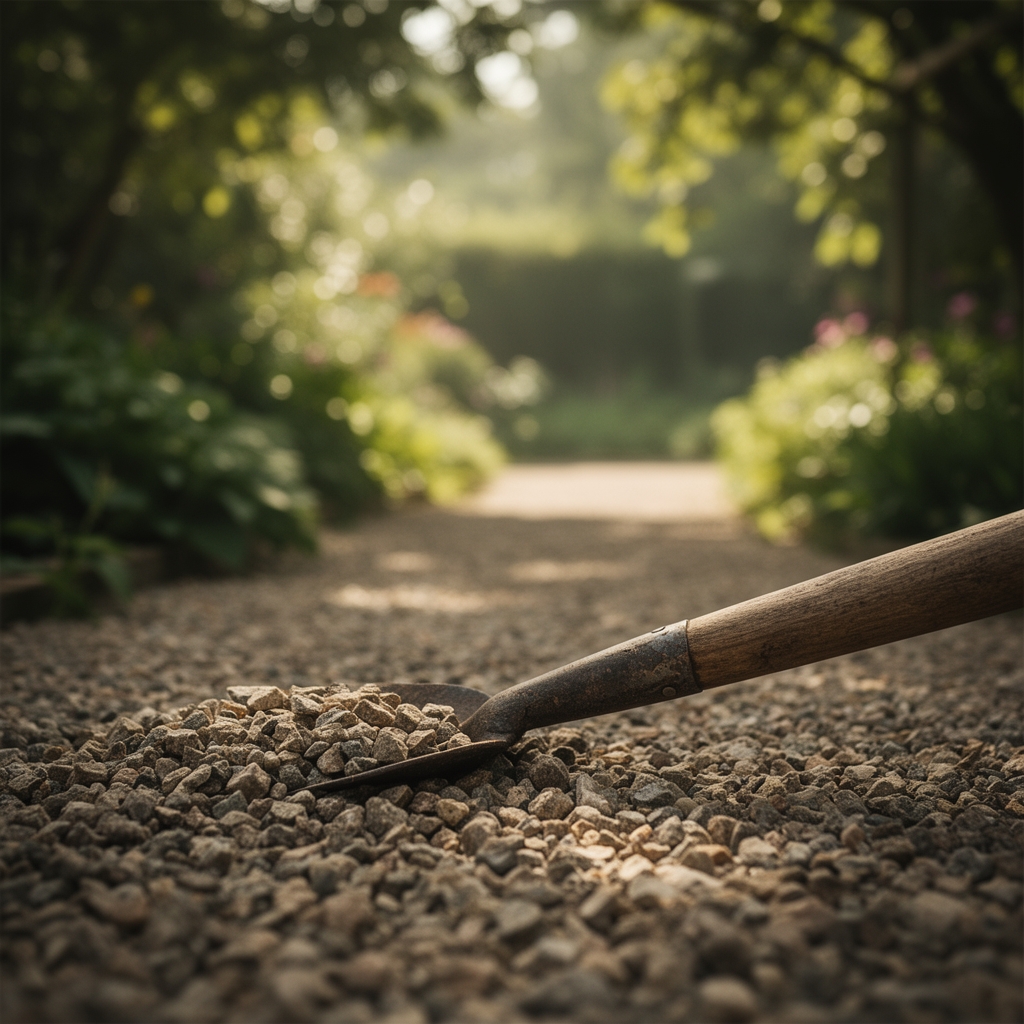
Pea Gravel (3/8-inch): Rounded stones in tan, white, or mixed hues. pH-neutral at 7.0. Does not alter soil chemistry in adjacent beds. Smooth texture makes it comfortable for bare feet but prone to migration without edge restraint. Works well with organic mulches in perennial borders.
Crushed Granite (1/4-inch to 3/4-inch): Angular gray to pink aggregate. Locks together due to fractured edges, creating a firm surface. Slight alkalinity at pH 7.2-7.8 benefits lime-loving plants like dianthus and lavender. Excellent cation exchange capacity in fines that settle between larger stones.
Decomposed Granite (DG): Weathered granite that compacts into a semi-solid surface. Contains clay particles and fines that bind with 5-8 percent stabilizer. pH 6.8-7.5. Creates a smooth, almost pavement-like finish when properly compacted. Supports mycorrhizal fungi networks better than washed gravels due to mineral content.
Lava Rock (1/2-inch to 1-inch): Porous red or black volcanic stone. pH 6.5-7.0. Lightweight reduces transport costs. Vesicular structure absorbs heat during day and releases it at night, creating a microclimate 2-3 degrees warmer for adjacent thermophilic plants. Sharp edges deter slugs and snails.
Limestone Chips (3/8-inch): Bright white to cream aggregate. Distinctly alkaline at pH 7.8-8.4. Raises soil pH in surrounding beds through leaching, beneficial for clematis, hellebores, and brassicas. Reflects sunlight, reducing soil temperature by 5-8 degrees in summer.
River Rock (1-inch to 2-inch): Large, smooth stones in earth tones. pH-neutral. Best for low-traffic areas or as decorative accents rather than primary walking surfaces. Size prevents compaction but allows weed germination in gaps. Pair with landscape fabric rated at 3-ounce weight minimum.
Slate Chips (1/2-inch): Flat, angular fragments in purple, gray, or green. pH 6.0-7.0. Interlocks well for stable footing. Dark colors absorb heat, making them ideal for extending growing seasons in cool climates but potentially stressful for shallow-rooted plants in hot regions.
Quarry Process (QP or Crusher Run): Blend of 3/4-inch stone down to fines. pH varies by source rock (6.5-7.5 typical). Compacts into extremely firm base. Contains enough fines to bind without stabilizers. Professional landscapers use this as sub-base beneath decorative top layers.
Timing
Install gravel paths during dry weather when soil is workable but not saturated. In Zones 3-6, schedule installation between May and September after final frost and before autumn rains. Zones 7-9 allow year-round installation, though avoid periods of excessive heat above 95°F when handling lava rock or dark slate that becomes painfully hot.
For paths adjacent to new plantings, install gravel after transplanting and initial watering to avoid disturbing root zones. Edge restraints like steel or aluminum require soil temperatures above 40°F for proper staking. In frost-prone zones, delay edging installation until soil thaws to 6-inch depth.
Phases
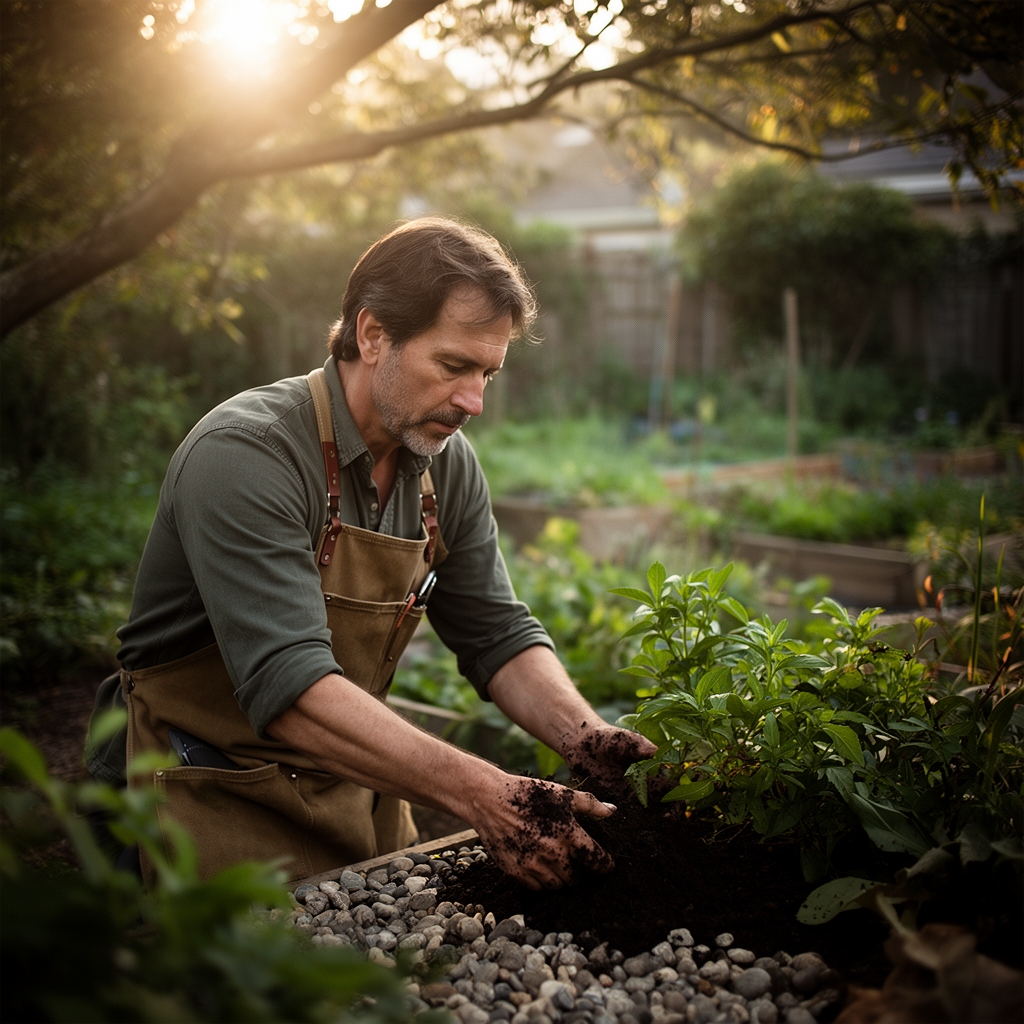
Excavation: Remove existing vegetation and soil to 4-inch depth for foot traffic paths, 6-inch for wheelbarrow routes. Grade for 2-percent slope away from structures to prevent water pooling. Compact native soil with a plate compactor at 90-percent density.
Pro-Tip: Spray excavated surface with mycorrhizal fungi inoculant suspension (1 tablespoon per gallon water) before base layer. This colonizes path edges and benefits adjacent plantings through hyphal network extension into planting beds.
Base Layer: Spread 2-3 inches of quarry process. Compact to 95-percent density. This layer handles load distribution and prevents gravel from sinking into subsoil. Water lightly between compaction passes to activate binding fines.
Pro-Tip: Install perforated drain pipe along one edge if path crosses natural drainage patterns or clay soils. Slope pipe at 1/4-inch per foot toward discharge point.
Top Layer: Spread decorative gravel 2 inches deep. Rake level but do not compact decorative layer initially. Traffic naturally settles top stone into base layer over 2-4 weeks. Add 1/2-inch additional material after this settling period.
Pro-Tip: For crushed granite or slate, mist surface with water and roll lightly with a lawn roller at 25-percent capacity. This seats angular stones without over-compacting.
Troubleshooting
Symptom: Gravel migrating into adjacent lawn or beds.
Solution: Install edge restraint 1 inch above gravel surface. Steel or aluminum edging provides permanent solution. Stake every 3 feet. For established paths, excavate path edge to 5-inch depth, insert edging, and backfill.
Symptom: Weed growth through gravel.
Solution: Remove weeds by hand-pulling to avoid herbicide damage to nearby ornamentals. Install commercial-grade landscape fabric (minimum 3-ounce weight) during path construction. For existing paths, apply pre-emergent containing prodiamine at 0.5 pounds active ingredient per acre in early spring before soil reaches 55°F.
Symptom: Path surface feels spongy or sinks underfoot.
Solution: Indicates inadequate base compaction or organic matter decomposition beneath path. Excavate affected section. Remove any remaining organic material. Recompact base layer at 95-percent density. Add additional quarry process if base layer has compressed below 2-inch minimum thickness.
Symptom: Standing water after rain.
Solution: Path grade insufficient or blocked. Check for 2-percent minimum slope. Install french drain if path crosses natural drainage channel. For minor pooling, create shallow swale along path edge directing water to planting beds or rain garden.
Symptom: Limestone gravel causing chlorosis in acid-loving plants.
Solution: Leaf yellowing with green veins indicates iron deficiency from elevated pH. Replace limestone with neutral pH pea gravel near affected plants. Apply chelated iron at 2 tablespoons per gallon as foliar spray every 2 weeks until symptoms resolve. Incorporate sulfur at 1 pound per 100 square feet into surrounding beds to lower pH to 5.5-6.5 range.
Maintenance
Rake paths monthly to redistribute gravel and prevent ruts in high-traffic areas. Inspect edge restraints quarterly for frost heave or stake failure. Re-stake any sections where edging has lifted above 1/2-inch.
Top-dress paths with 1/4-inch additional gravel annually each spring to compensate for settling and loss. Heavier foot traffic requires topping twice yearly.
Remove leaves and organic debris weekly during autumn. Decomposing leaves create soil pockets that encourage weed germination and compromise drainage.
Apply pre-emergent herbicide containing dithiopyr at 0.25 pounds active ingredient per acre in early spring and again in late summer for season-long weed suppression. Always follow label rates and avoid application within root zones of desirable plants.
For lava rock and dark slate, rinse paths with hose during heat waves when surface temperature exceeds 120°F. This prevents root damage to plants overhanging path edges and makes paths comfortable for pets.
FAQ
How deep should gravel be for a garden path?
Two inches of decorative gravel over 2-3 inches of compacted base provides adequate depth for foot traffic. Wheelbarrow paths require 3 inches of base material.
What prevents gravel from sinking into soil?
Compacted quarry process base layer at 95-percent density creates stable platform. Landscape fabric alone provides insufficient support and breaks down under continued traffic pressure.
Which gravel color stays coolest in summer?
White limestone chips reflect sunlight most effectively, maintaining surface temperatures 15-20 degrees cooler than dark lava rock or slate. Light-colored pea gravel offers moderate heat reflection.
Can gravel paths damage plant roots?
Properly installed paths with defined edges do not harm established plants. Maintain 8-inch minimum distance between path edge and woody plant trunks. Gravel creates favorable gas exchange conditions compared to solid paving, benefiting nearby root systems.
How often does gravel need replacement?
Quality gravel paths last 15-20 years with proper maintenance. Annual top-dressing addresses settling and migration. Complete replacement becomes necessary only if base layer fails or major grade corrections are required.