7 Quick Steps to Trellis Pole Beans
Damp earth releases a sharp, geosmin scent when the spade breaks the crust; this is the smell of a healthy rhizosphere ready for production. A successful harvest depends on managing the turgor pressure of the Phaseolus vulgaris vine through vertical support. Without a structured climb, the plant collapses into a tangled mat, inviting fungal pathogens and reducing airflow. Following specific steps to trellis pole beans ensures maximum sunlight exposure and efficient nutrient transport throughout the vascular system.
Materials:
The foundation of bean vitality lies in the soil chemistry. Aim for a soil pH between 6.0 and 6.8 to optimize nutrient availability. If the pH drops below 5.8, molybdenum becomes less available, hindering the nitrogen fixation process. The ideal substrate is a friable loam with a high Cation Exchange Capacity (CEC), allowing the soil to retain essential ions like calcium and magnesium.
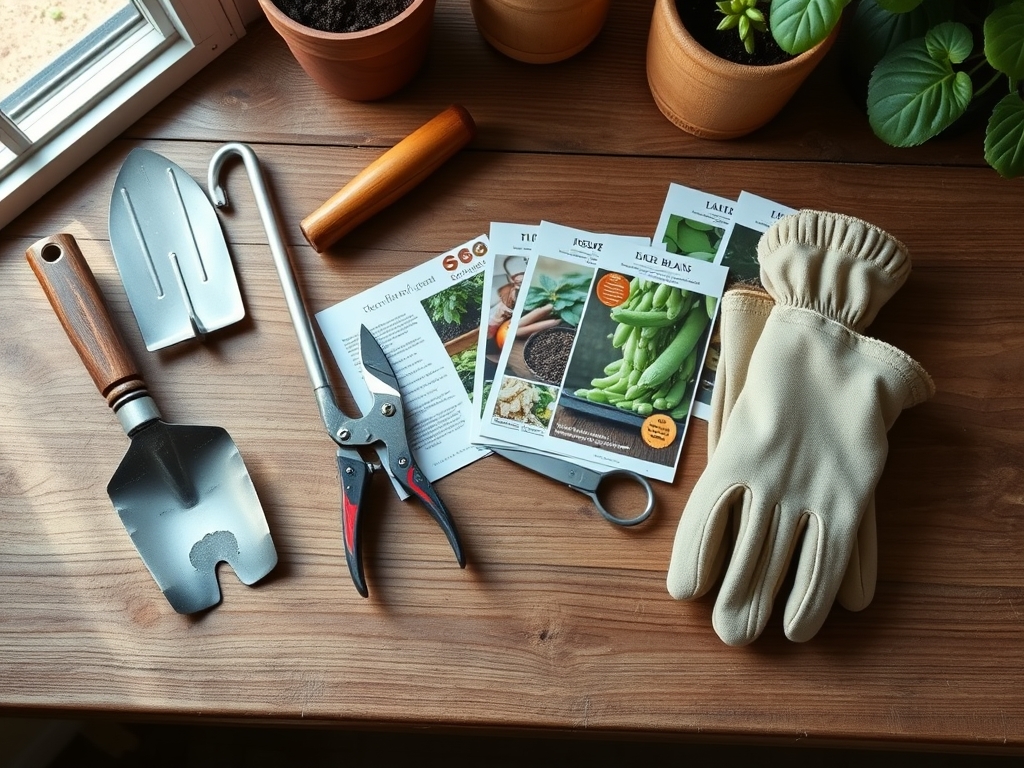
Before planting, incorporate a low-nitrogen fertilizer with an NPK ratio of 5-10-10. Excessive nitrogen at this stage triggers rapid vegetative growth at the expense of floral development. You will need 7-foot cedar posts or galvanized cattle panels, 12-gauge galvanized wire, and jute twine. Avoid plastic netting; it lacks the tensile strength to support the weight of a mature vine laden with fruit.
Timing:
Timing is dictated by the soil temperature rather than the calendar. Pole beans are highly sensitive to cold; seeds will rot if planted in soil below 60 degrees Fahrenheit. In Hardiness Zones 5 through 7, this window typically opens two to three weeks after the last spring frost.
The biological clock of the pole bean is divided into the vegetative stage and the reproductive stage. The transition occurs roughly 45 to 55 days after germination. Trellising must be established before the plant reaches the "searching" phase, where the apical meristem begins to rotate in a circular motion to find a vertical anchor. If the trellis is not present during this phototropic search, the vine will waste metabolic energy trailing along the ground.
Phases:
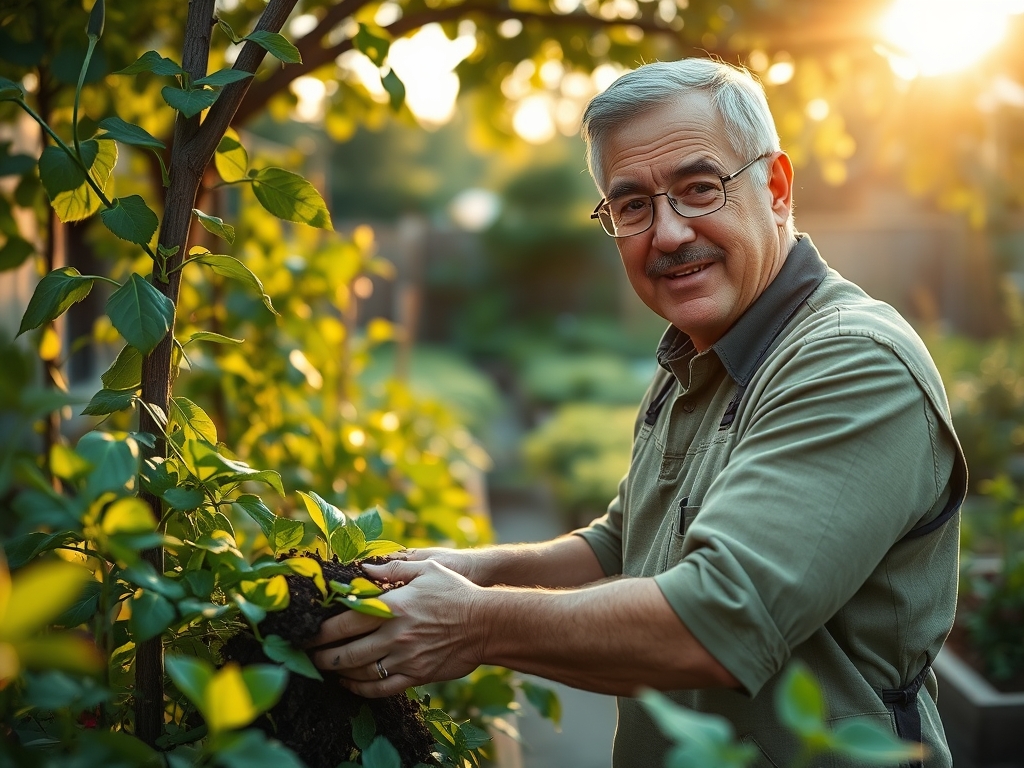
Sowing and Germination
Direct sow seeds 1 inch deep and 3 inches apart at the base of your support structure. Ensure the hilum (the "eye" of the bean) faces downward to facilitate faster radical emergence. Maintain consistent moisture to prevent the seed coat from hardening, which can trap the cotyledons.
Pro-Tip: Coat seeds with a Rhizobium leguminosarum inoculant before sowing. This biological primer jumpstarts the symbiotic relationship between the roots and nitrogen-fixing bacteria, allowing the plant to synthesize its own atmospheric nitrogen.
Transplanting and Spacing
If starting indoors, use biodegradable peat or coco-coir pots to avoid root disturbance. Pole beans have a sensitive root architecture; even minor trauma can cause a temporary cessation of growth. Space your trellis rows 36 inches apart to allow for adequate gas exchange and light penetration into the lower canopy.
Pro-Tip: When transplanting, bury the stem up to the first set of true leaves. This encourages the development of adventitious roots, increasing the plant's surface area for water uptake and anchoring it more firmly against wind shear.
Establishing the Climb
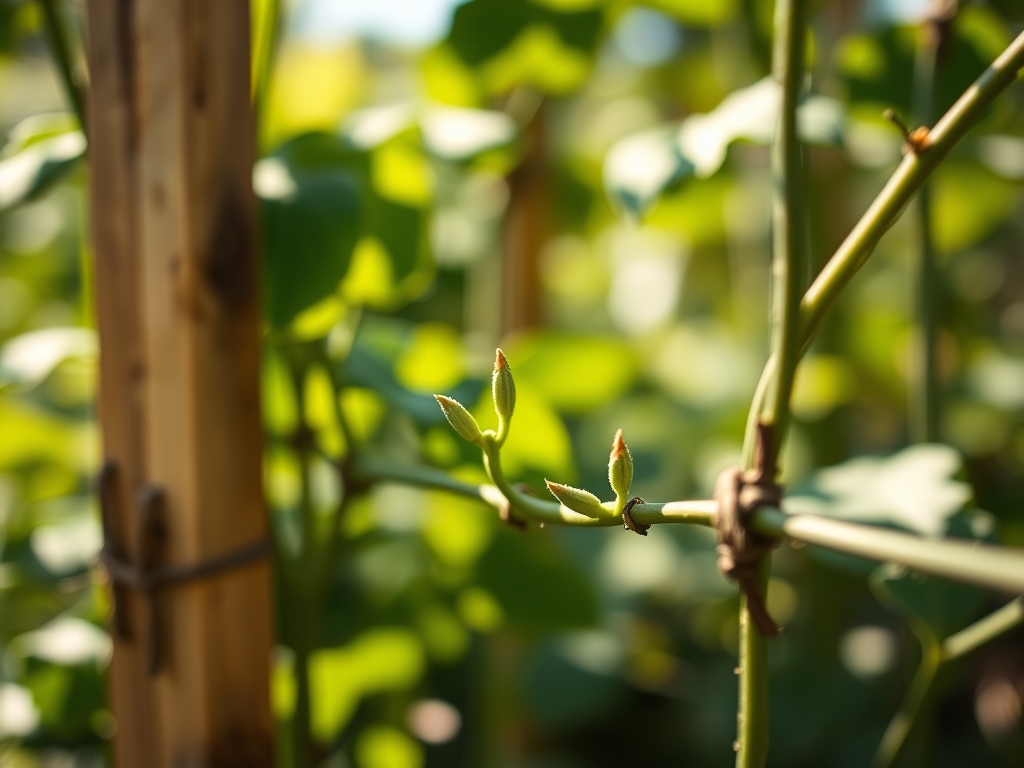
Once the seedlings reach 6 inches in height, they will begin to exhibit circumnutation. Gently guide the lead shoot toward the trellis in a counter-clockwise direction. Most pole bean varieties are genetically programmed to twine in this specific orientation.
Pro-Tip: Use a loose figure-eight knot when tying young vines to the wire. This prevents girdling, which occurs when the stem expands and the tie constricts the phloem, blocking the downward flow of photosynthates to the roots.
The Clinic:
Physiological disorders often mimic infectious diseases. Accurate diagnosis requires a close inspection of leaf tissue and growth patterns.
- Symptom: Interveinal chlorosis (yellowing between green veins) on older leaves.
- Solution: This indicates a Magnesium deficiency. Apply a foliar spray of Epsom salts (1 tablespoon per gallon of water) to restore chlorophyll production.
- Symptom: Distorted, "hooked" new growth and blossom end rot on pods.
- Solution: This is a Calcium deficiency, often caused by erratic watering rather than a lack of soil calcium. Ensure consistent soil moisture to maintain the transpiration stream.
- Symptom: Spindly stems and pale green foliage across the entire plant.
- Solution: Nitrogen chlorosis. While beans fix nitrogen, a heavy crop load can deplete reserves. Side-dress with composted manure or a balanced organic fertilizer.
Fix-It: If the plant shows stunted growth despite proper nutrition, check the soil compaction. Use a soil moisture meter to ensure the root zone is not anaerobic. If the soil is waterlogged, oxygen cannot reach the roots, leading to root senescence and nutrient lockout.
Maintenance:
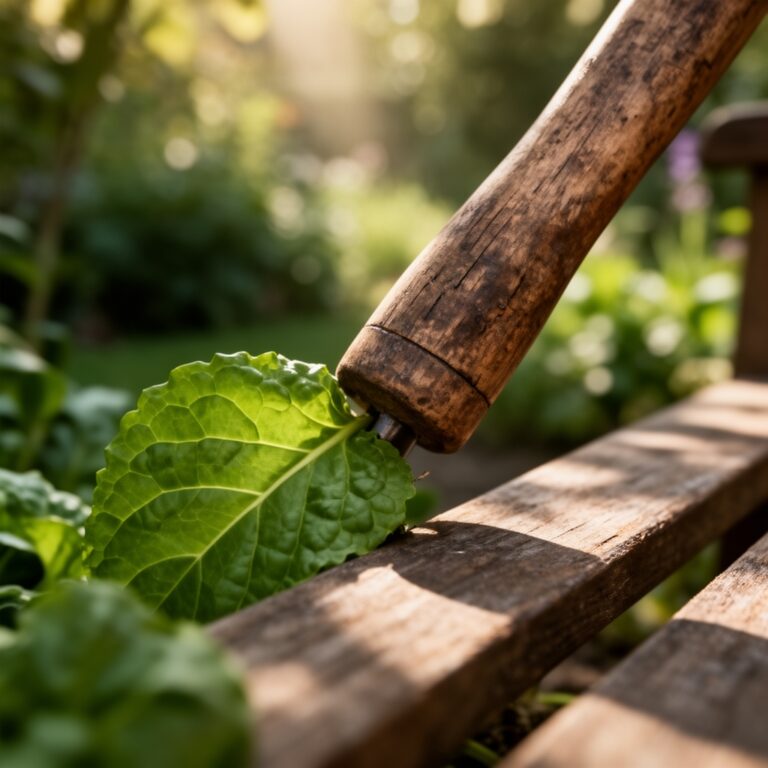
Precision is the hallmark of a master gardener. Monitor the crop daily with a hori-hori knife for weeding and bypass pruners for removing necrotic tissue. Provide 1.5 inches of water per week applied directly at the drip line. Overhead irrigation should be avoided as it increases the leaf wetness period, which facilitates the germination of fungal spores like Uromyces appendiculatus (bean rust).
Mulch the base of the trellis with 2 inches of shredded straw to regulate soil temperature and reduce evaporation. As the vines reach the top of the trellis, "pinch" the growing tip. This suppresses apical dominance and redirects the plant's auxins to the lateral buds, encouraging a more prolific "flush" of flowers and pods.
The Yield:
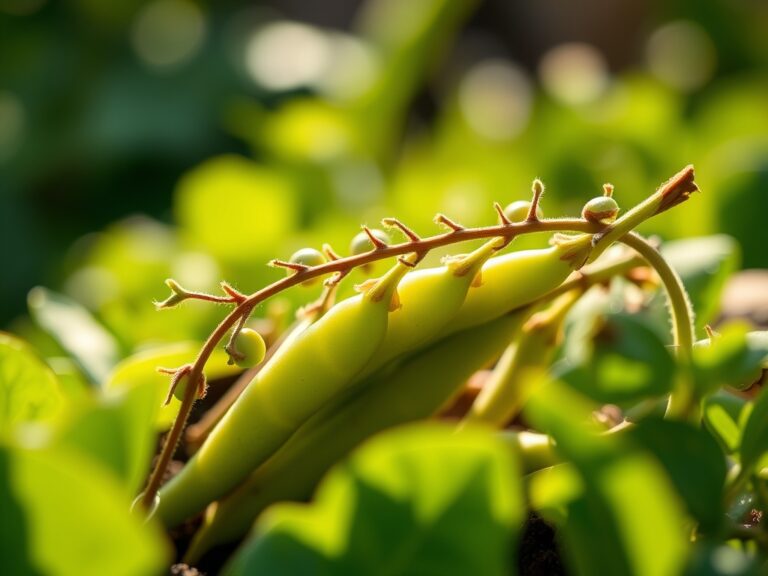
Harvesting is a continuous process that dictates the plant's lifespan. Pick pods when they are the thickness of a pencil and before the seeds inside begin to bulge. If pods are allowed to reach full maturity and dry on the vine, the plant will enter senescence, signaling the end of its life cycle.
Use bypass pruners or a sharp thumbnail to snap the pedicel; do not pull the pod, as this can tear the delicate vascular tissue of the main stem. For "day-one" freshness, harvest in the early morning when the pods are at maximum turgidity. Immediately submerge the beans in an ice-water bath for 15 minutes to remove field heat and slow down the metabolic rate. Store in a perforated bag at 40 degrees Fahrenheit.
FAQ:
How high should a pole bean trellis be?
A trellis should stand 6 to 7 feet tall. While vines can grow longer, this height allows for manageable harvesting and ensures the plant remains within the reach of the average gardener without specialized equipment.
Can I use metal rebar for trellising?
Yes, but metal can overheat in direct sun, potentially scorching delicate tendrils. If using rebar, ensure it is painted a light color or wrapped in natural jute twine to provide a cooler gripping surface for the plant.
Why are my bean flowers falling off?
This is often "blossom drop," caused by temperatures exceeding 90 degrees Fahrenheit. High heat dries out the pollen, preventing fertilization. Maintain consistent moisture and provide temporary afternoon shade to reduce thermal stress on the reproductive organs.
Do pole beans need a lot of fertilizer?
No. Excessive fertilization, especially nitrogen, leads to lush foliage but zero pods. Focus on phosphorus and potassium to support flower production. If the soil is healthy, a single application at planting is usually sufficient for the season.