6 Eradication Steps for Treating Indoor Thrips
Thrips leave behind silvery scars on foliage, distorted growth tips, and dark fecal specks that betray their feeding activity. These slender insects, barely one-sixteenth of an inch long, rasp open leaf cells and drain the contents, compromising photosynthetic capacity and introducing viral pathogens. Steps for treating thrips on indoor plants demand immediate action because their lifecycle completes in as little as fourteen days under favorable conditions, allowing exponential population growth. Adult thrips deposit eggs inside plant tissue where contact insecticides cannot reach them, requiring a multi-phase approach that targets all developmental stages across successive generations.
Materials
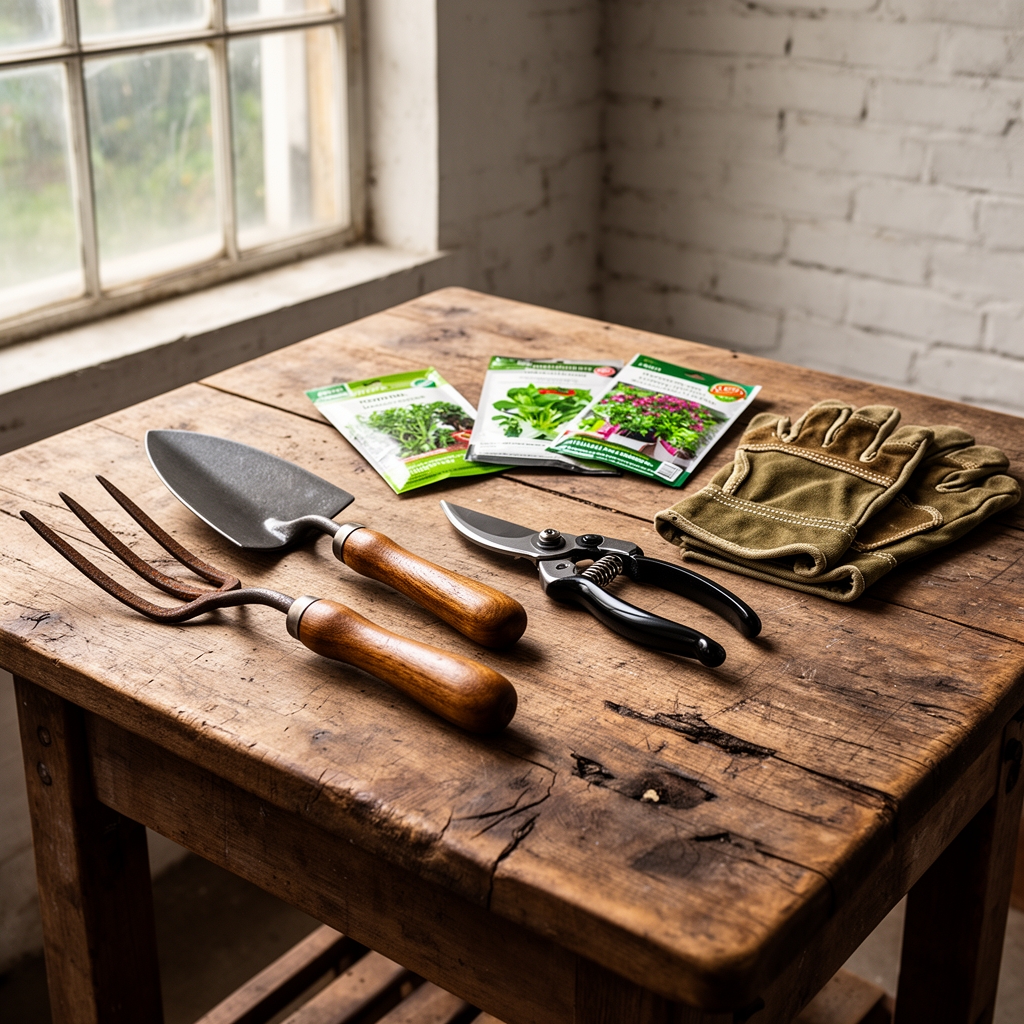
Prepare insecticidal soap (potassium salts of fatty acids at 1-2% concentration, pH 7.0-8.0). Neem oil formulations containing azadirachtin disrupt molting hormones; use cold-pressed extracts at 0.5-1.0% dilution. Spinosad, derived from Saccharopolyspora spinosa fermentation, targets the nervous system through nicotinic acetylcholine receptors. Apply as foliar spray at 0.5 fluid ounces per gallon.
Blue or yellow sticky traps (10 cm x 25 cm) exploit thrips' phototaxis. Position cards at canopy height, replacing every seven days. Predatory mites (Amblyseius cucumeris or Neoseiulus cucumeris) establish biological control when released at 50-100 individuals per plant. These generalist feeders consume first-instar thrips and eggs, maintaining populations below economic injury thresholds.
Pyrethrin aerosols (0.5% active ingredient) deliver knockdown for severe infestations. Handheld magnifiers (10x-20x magnification) confirm thrips presence by revealing their rasping mouthparts and asymmetrical thoracic morphology. Spray bottles with adjustable nozzles ensure thorough coverage of leaf undersides where thrips congregate.
Timing
Indoor environments lack the seasonal cues that regulate outdoor pest cycles. Thrips reproduce year-round when temperatures remain between 60-80°F. Begin treatment immediately upon detection, typically identified through stippled foliage or visible insects on new growth. Hardiness zones become irrelevant indoors, but seasonal factors still apply. Winter months with reduced photoperiods slow plant growth, extending the interval between treatments to every seven days. Summer's vigorous growth demands more frequent monitoring and five-day treatment intervals.
Early morning applications allow leaf surfaces to dry before nightfall, reducing fungal complications. Treat before auxin distribution peaks in mid-morning when stomata open maximally, enhancing systemic uptake of neem and spinosad. Continue treatments for four to six weeks minimum, covering three complete thrips generations to eliminate all life stages.
Phases

Step 1: Isolation and Assessment
Quarantine affected plants immediately, moving them at least eight feet from healthy specimens. Thrips fly poorly but disperse rapidly between touching foliage. Inspect all leaf surfaces, growing tips, and flower buds with magnification. Document infestation severity: light (1-5 thrips per leaf), moderate (6-15), or severe (>15). Check for secondary infections, particularly tomato spotted wilt virus, which causes necrotic rings and bronze discoloration.
Pro-Tip: Place white paper beneath foliage and tap stems sharply. Dislodged thrips appear as moving dark specks against the white background, confirming active populations.
Step 2: Physical Removal
Prune and destroy heavily infested leaves, cutting at 45-degree angles one-quarter inch above nodes to promote rapid wound closure. Remove all flowers, as thrips preferentially colonize pollen-rich blooms. Spray plants with room-temperature water at 40-50 psi, dislodging adults and nymphs. Direct spray upward to penetrate leaf undersides. This mechanical action reduces populations by 60-70% before chemical intervention.
Pro-Tip: Submerge small potted plants entirely in water (excluding soil surface) for fifteen minutes. Thrips drown while most ornamentals tolerate brief submersion.
Step 3: Insecticidal Application
Apply insecticidal soap first, coating all plant surfaces until runoff. The potassium salts disrupt cellular membranes on contact, killing soft-bodied nymphs within two hours. Wait twenty-four hours, then apply neem oil, ensuring emulsification by adding one drop of dish soap per quart. Neem's azadirachtin inhibits ecdysone synthesis, preventing molting. After seventy-two hours, apply spinosad, which paralyzes thrips within six hours and kills within forty-eight.
Pro-Tip: Rotate active ingredients every two weeks to prevent resistance development. Thrips develop metabolic resistance after seven to ten generations under continuous selection pressure.
Step 4: Biological Introduction
Release predatory mites three days after final insecticide application. Spinosad residues dissipate within seventy-two hours, sparing beneficial arthropods. Distribute sachets containing mite breeding populations at three per square meter of growing space. Amblyseius cucumeris reproduces every seven days at 70°F, establishing persistent control. Maintain relative humidity above 60% to optimize predator reproduction and hunting behavior.
Pro-Tip: Supplement predators with pollen sprinkled on leaf surfaces. This alternative food source sustains populations during low thrips density, preventing beneficials from dispersing.
Step 5: Environmental Modification
Reduce nitrogen inputs by 30% during treatment. High nitrogen promotes succulent growth that attracts thrips and increases their fecundity. Switch from high-nitrogen formulas (10-5-5) to balanced ratios (5-5-5). Increase air circulation to 100-150 cubic feet per minute, creating wind speeds that impede thrips flight and reduce egg-laying. Lower temperatures to 60-65°F where feasible, extending thrips development time from fourteen to twenty-eight days.
Pro-Tip: Apply silica supplements (potassium silicate at 50-100 ppm) to strengthen cell walls. Enhanced structural integrity reduces rasping damage by 40-50%.
Step 6: Monitoring and Maintenance
Install sticky traps permanently, counting captures weekly. Populations below five thrips per trap indicate successful control. Resume treatments if counts exceed fifteen per trap. Inspect new growth every three days for feeding scars or fecal deposits. Mycorrhizal fungi inoculation improves plant stress tolerance during recovery, enhancing nutrient uptake efficiency through increased cation exchange capacity at root interfaces.
Pro-Tip: UV-reflective mulches (aluminum-coated plastic) disorient thrips, reducing colonization rates by 65% in greenhouse trials.
Troubleshooting
Symptom: Silvery stippling persists despite treatments.
Solution: Thrips pupate in soil where foliar sprays cannot reach. Drench growing media with spinosad at label rates, or apply beneficial nematodes (Steinernema feltiae) at 50 million per plant to parasitize pupae.
Symptom: Predatory mites fail to establish.
Solution: Relative humidity below 50% desiccates mite eggs. Increase humidity through pebble trays or room humidifiers. Verify absence of residual pyrethrins, which remain toxic to beneficials for fourteen days.
Symptom: Phytotoxicity presents as leaf burn or bronzing.
Solution: Neem oil applications under high light intensity (>10,000 lumens) cause photosensitivity. Spray during evening hours or reduce concentration to 0.25%. Test on single leaf forty-eight hours before whole-plant application.
Symptom: New infestations appear after treatment cessation.
Solution: Thrips migrate from adjacent plants or enter through ventilation systems. Screen intake vents with 50-mesh fabric. Maintain quarantine protocols for new acquisitions, isolating for twenty-one days minimum.
Symptom: Stunted growth persists post-treatment.
Solution: Viral infections (especially tospoviruses) cause permanent systemic damage. No cure exists; destroy infected specimens to prevent vector-mediated spread. Replace with certified pathogen-tested stock.
Maintenance
Water plants with 1 inch of moisture per week, measured with rain gauge or soil probe at 3-inch depth. Avoid overhead irrigation that creates humid microclimates favoring thrips reproduction. Apply balanced fertilizer (5-5-5 NPK) at half-strength bi-weekly, promoting steady growth without nitrogen-induced succulence.
Maintain spacing of 8-12 inches between pots to ensure airflow disrupts pest movement. Prune plants monthly to remove interior foliage where humidity accumulates. Remove fallen leaves daily, as thrips pupate in organic debris. Sterilize pruning tools with 10% bleach solution between plants to prevent pathogen transmission.
Reapply neem oil monthly as preventive at 0.25% concentration. This sub-therapeutic dose does not trigger resistance but maintains antifeedant properties. Continue predatory mite releases quarterly at reduced rates (25 per plant) for long-term suppression. Monitor cation exchange capacity through annual soil testing, maintaining values between 10-20 meq/100g for optimal nutrient availability and stress resistance.
FAQ
How quickly do thrips reproduce indoors?
Complete lifecycle spans 14-21 days at 70-75°F. Females lay 30-50 eggs inside leaf tissue over their 30-day lifespan, enabling exponential population growth without intervention.
Can I use systemic insecticides on edible plants?
Spinosad carries organic certification (OMRI-listed) with one-day pre-harvest interval for most crops. Neem demonstrates fourteen-day withholding period. Avoid synthetic neonicotinoids on consumables due to residue concerns.
Why do treatments fail to eliminate thrips completely?
Eggs inserted into plant tissue remain protected from contact insecticides. Pupal stages in soil evade foliar sprays. Treatment schedules must extend four to six weeks, covering all developmental stages across multiple generations.
Do thrips spread diseases?
Yes, they vector tospoviruses including tomato spotted wilt and impatiens necrotic spot. These pathogens cause irreversible systemic infections with no chemical cure. Focus on vector elimination and removal of symptomatic plants.
How do I prevent reintroduction?
Quarantine new plants for twenty-one days before introducing to collections. Inspect incoming specimens under magnification. Screen ventilation openings with fine mesh. Maintain predatory mite populations as biological insurance against low-level invasions.