5 Secret Ways How to Grow Orange Carrots
The scent of damp, mineralized earth signals the beginning of a successful carrot crop. When you snap a fresh root, the audible crack of cell walls indicates high turgor pressure and optimal hydration. Mastering how to grow orange carrots requires more than casual sowing; it demands a clinical understanding of soil physics and root expansion. Success is measured by the development of a straight, unbranched taproot that has navigated the rhizosphere without physical resistance or nutrient interruption.
Materials:
The foundation of a high yield carrot crop is the substrate. Carrots require a **friable loam** with a high sand content to allow for unimpeded downward taproot extension. The soil must have a **pH between 6.0 and 6.8**. If the pH drops below 5.5, carotene synthesis is inhibited, resulting in pale, bitter roots.
For the nutrient profile, avoid high nitrogen inputs which trigger excessive foliage growth at the expense of the root. Use an NPK ratio of 5-10-10 or 1-2-2. High phosphorus (P) levels are critical for early root development, while potassium (K) regulates water movement and sugar accumulation within the storage organ. Ensure the soil has a high Cation Exchange Capacity (CEC) by incorporating well decomposed organic matter, which allows the soil to hold onto essential cations like calcium and magnesium without clumping.
Timing:
Carrots are cool season biennials typically grown as annuals. In Hardiness Zones 3 through 7, sow seeds 3 to 4 weeks before the last predicted frost. In Zones 8 through 10, carrots are often a winter crop, sown in autumn to mature during the cooler months. The biological clock of the carrot is governed by temperature; germination occurs most efficiently when soil temperatures are between 55 and 75 degrees Fahrenheit.
The transition from the vegetative stage to the reproductive stage (bolting) is triggered by vernalization. If young plants are exposed to sustained temperatures below 45 degrees Fahrenheit for several weeks, they may prematurely produce a flower stalk. This diverts all energy from the root to seed production, rendering the carrot woody and inedible. Monitor the photoperiod and soil temperature to ensure the root reaches harvestable size before the summer heat exceeds 85 degrees Fahrenheit, which can cause the oils in the root to turn soapy.
Phases:

Sowing
Sow seeds at a depth of 1/8 to 1/4 inch. Because carrot seeds are minute and slow to germinate, maintaining surface moisture is the primary challenge. Use a fine mist to prevent seed displacement. Space rows 12 to 18 inches apart.
Pro-Tip: Maintain consistent moisture to prevent "crusting" of the soil surface. This is a biological necessity because carrot hypocotyls are relatively weak; if they encounter a hardened soil crust, they will fail to emerge, leading to poor stand density.
Transplanting
Carrots do not tolerate transplanting due to their sensitive taproot system. Any disturbance to the primary root tip during the early growth phase will result in permanent branching or "forking." If you must start indoors, use biodegradable paper pots that allow the root to grow through the bottom without being handled.
Pro-Tip: Avoid disturbing the rhizosphere during the first 30 days of growth. This prevents the disruption of mycorrhizal symbiosis, the fungal network that assists the plant in phosphorus uptake, which is vital for early root elongation.
Establishing
Thin the seedlings to a distance of 3 inches apart once they reach 2 inches in height. Use scissors to snip the extras at the soil line rather than pulling them to avoid disturbing the roots of the remaining plants.
Pro-Tip: Thinning reduces competition for light and nutrients, preventing auxin suppression. When plants are too crowded, the shade from neighbors alters the hormonal balance, signaling the plant to prioritize vertical leaf growth over lateral root expansion.
The Clinic:
Physiological disorders often stem from environmental stressors rather than pathogens.
- Symptom: Forked or twisted roots.
Solution: This is caused by physical obstructions or excess nitrogen. Ensure the soil is tilled to a depth of 12 inches and remove all stones. Reduce manure applications.
- Symptom: Horizontal scabbing or "rusty" spots.
Solution: This often indicates Cavity Spot, caused by Pythium fungi in waterlogged soils. Improve drainage and reduce irrigation frequency.
- Symptom: Longitudinal cracking.
Solution: This is a result of erratic moisture levels. When a dry period is followed by heavy rain, the inner core expands faster than the outer skin. Maintain a consistent irrigation schedule.
- Symptom: Green shoulders.
Solution: This occurs when the top of the root is exposed to sunlight, triggering chlorophyll synthesis. Hill up soil or mulch around the crowns to block UV light.
Fix-It: For Nitrogen chlorosis (yellowing of older leaves), apply a side dressing of compost tea or a low nitrogen liquid fertilizer to restore leaf function without overstimulating foliage.
Maintenance:
Precision irrigation is the most critical maintenance task. Carrots require 1.5 inches of water per week delivered at the drip line. Use a soil moisture meter to ensure the water is penetrating to a depth of 6 inches. Surface watering leads to shallow root systems that are susceptible to heat stress.
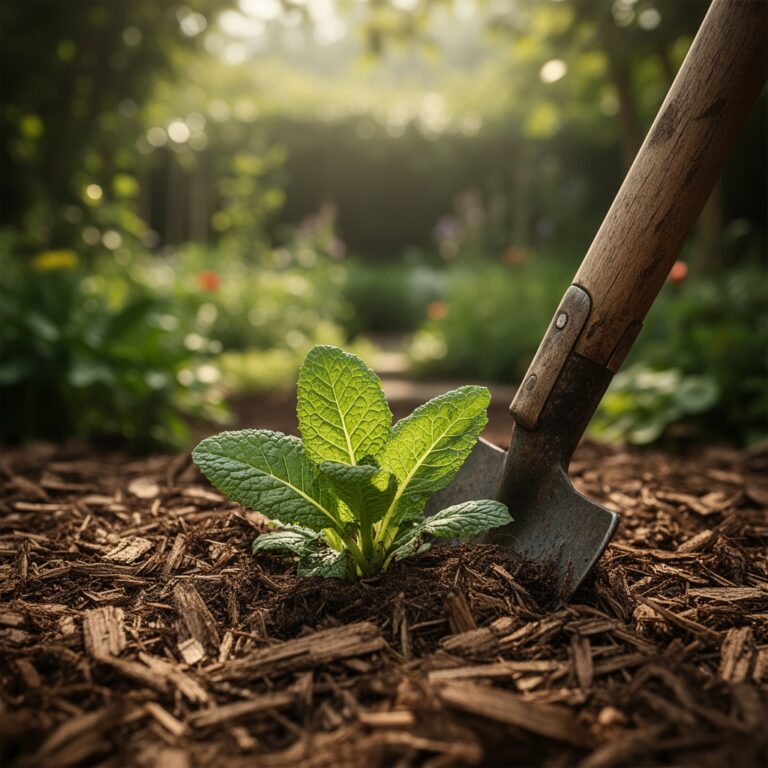
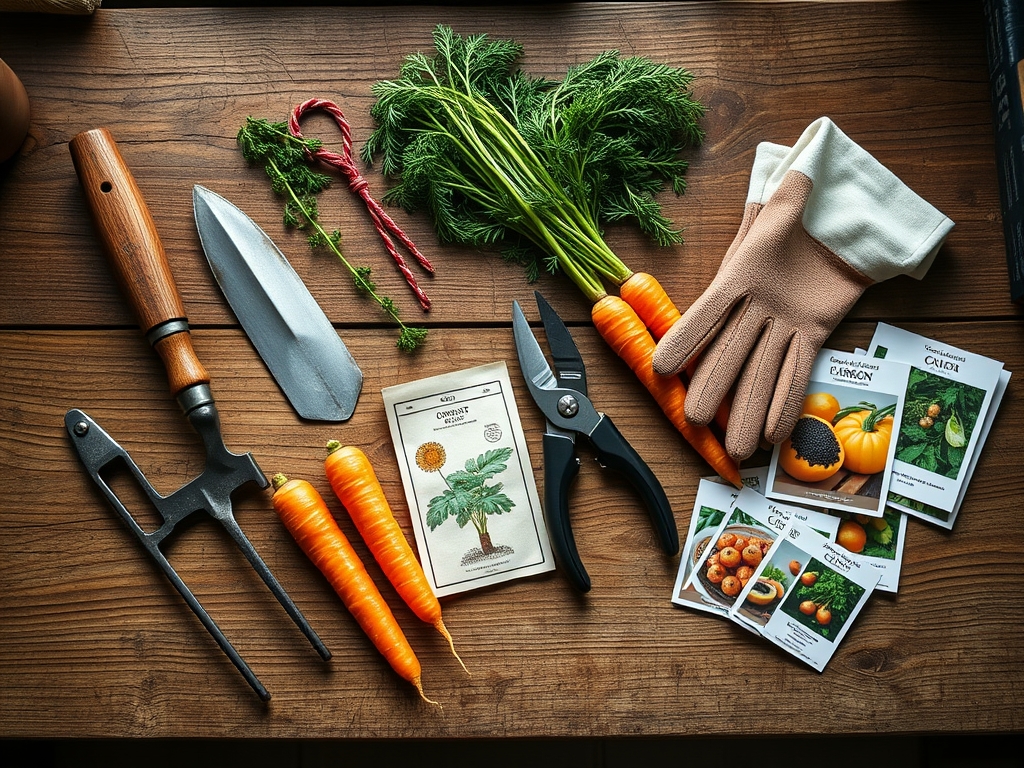
Keep the area weed free using a hori-hori knife for deep taproot weeds or bypass pruners to trim back encroaching vegetation. Weeds compete for the same potassium and phosphorus reserves needed for root bulking. Mulch with a thin layer of weed free straw to regulate soil temperature and prevent the "green shoulder" effect.
The Yield:
Harvest timing depends on the specific cultivar, but most orange carrots reach peak flavor when they are 0.5 to 1 inch in diameter. Use a garden fork to loosen the soil 4 inches away from the row before pulling the carrots by the greens. This prevents snapping the root in the ground.
For "day-one" freshness, remove the green tops immediately after harvest. The leaves will continue to draw moisture and sugars from the root via transpiration if left attached, causing the carrot to become limp and bitter within hours. Store the roots in a high humidity environment at 33 to 35 degrees Fahrenheit.
FAQ:
Why are my carrots small and bitter?
High soil temperatures above 80 degrees Fahrenheit cause carrots to produce terpenoids instead of sugars. Additionally, compacted soil prevents root expansion. Ensure deep, loose soil and harvest before the peak of summer heat to maintain flavor.
How do I stop my carrots from forking?
Forking is caused by physical obstacles like rocks or high concentrations of fresh manure. Ensure the soil is tilled to 12 inches and only use well rotted compost to maintain a consistent soil texture.
How long do carrot seeds take to sprout?
Carrot seeds are slow to germinate, typically taking 14 to 21 days. Soil must remain consistently moist during this period. Covering the row with a board or burlap can help retain surface moisture until emergence.
What is the best fertilizer for orange carrots?
Use a fertilizer with a low nitrogen and high potassium/phosphorus ratio, such as 5-10-10. Excessive nitrogen leads to hairy roots and lush green tops but small, poorly developed edible roots.